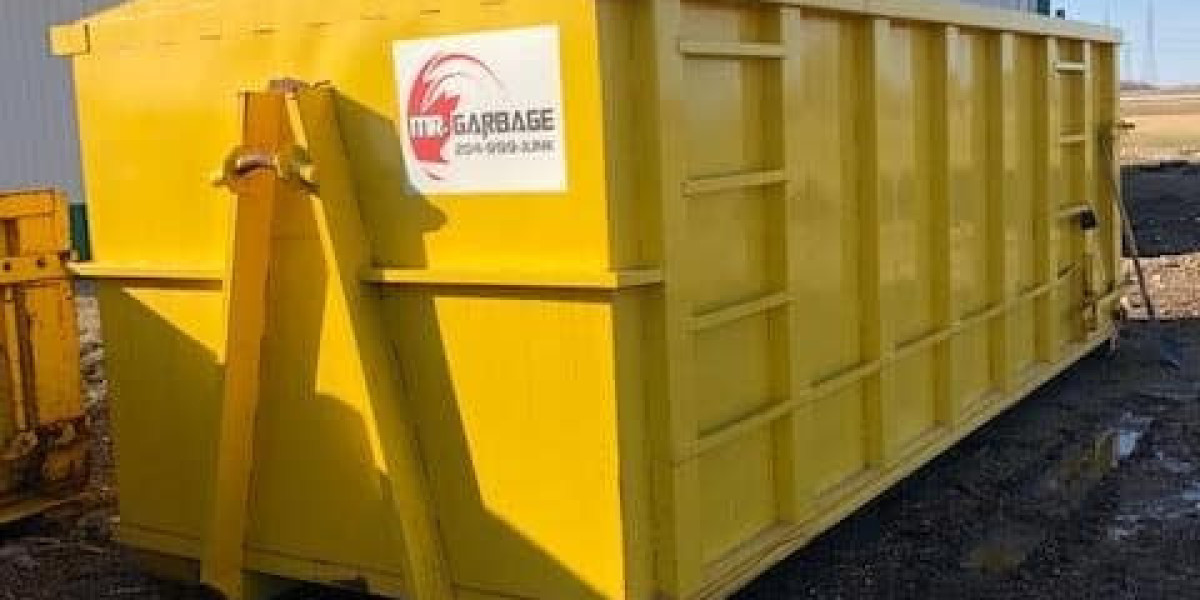

Tackling a renovation, basement cleanout, or major yard project? A bin rental for garbage keeps debris contained, speeds up contractor work, and makes cleanup far less stressful for homeowners. But to get a smooth delivery and pickup in Winnipeg, you need to plan: where the bin will sit, what can legally go inside, how to load it safely, and how to get the best diversion from landfill.
This practical guide explains the rules Winnipeg homeowners should know about bin rental for garbage, with local examples, credible Canadian statistics, an expert perspective, and clear next steps. I’ll also show how Mr. Garbage can simplify the booking, permit coordination, and responsible disposal so your project finishes on time and in compliance.
Why Planning Matters in Winnipeg
Planning matters because a single overlooked item or a street placement without a permit can delay pickup, create fines, or force extra handling at the transfer station.
The City of Winnipeg requires a Use of Street (right-of-way) permit if any part of a bin sits on public property — a rule that protects pedestrians and traffic and is enforced by Public Works. Arranging placement and permits up front prevents last-minute headaches.
Beyond permits, planning improves environmental outcomes. Canada’s national reporting shows that while waste diversion has grown over time, much of the country’s solid waste is still sent to disposal — a reminder that separating recoverable materials at the source matters. Choosing a hauler who prioritizes recycling and donations increases the chance that your materials avoid landfill.
Where to place your bin — driveway vs. street
Bin Rental for Garbage — driveway placement is simplest
If the bin fits fully on private property — a driveway, side yard, or parking pad — you typically avoid municipal permits. That makes driveway placement the preferred option for many Winnipeg homeowners because it’s simpler and avoids paperwork.
Practical tip: photograph the intended placement and send the images to the rental company when you book. A photo helps your hauler confirm whether the bin will fit and whether the truck can safely drop it in the requested spot. Mr. Garbage requests photos during booking to reduce delivery surprises.
Bin Rental for Garbage — street placement requires a permit.
If any part of the bin will sit on the street, boulevard, or sidewalk, the City of Winnipeg usually requires a Use of Street/right-of-way permit. The permit process protects public safety, and for certain busy routes or regional streets, additional traffic management approvals may apply. Ask your hauler to confirm whether a permit is needed and whether they can arrange it for you.
What to put in a bin rental for garbage — acceptable items
Most reputable Winnipeg haulers accept a broad range of common household and renovation materials in a bin rental for garbage, as long as those materials aren’t regulated or hazardous.
Household & bulky items
Broken furniture, mattresses (check local mattress policies), textiles, and household clutter.
Small, non-refrigerant appliances and general junk.
If some items are reusable, set them aside for donation — many haulers will coordinate drop-offs with local charities or indicate where to leave items for pickup. Mr. Garbage encourages clients to flag donation-ready items when booking.
Renovation debris and demolition waste
Clean lumber, drywall (non-asbestos), ceramic tile, cabinetry, and similar demolition debris are commonly accepted when free of hazardous contamination.
Break down large pieces to save space and reduce the chance of overhang at pickup.
Before you tear into an older house, consider testing for suspect materials (like certain floor underlays or textured ceilings) — if asbestos or other hazardous materials are present, they must be handled by licensed specialists.
Yard waste — when it’s acceptable
Branches, brush, leaves, and clean topsoil are accepted by many haulers when separated.
Separating organics increases the chance they’ll be routed to composting/processing facilities rather than landfills.
Manitoba’s WRARS program supports diversion activities across the province and helps haulers and municipalities improve recovery for organics and construction materials. Ask your hauler which local partners they use for composting and organics processing.
What you can’t put in a bin rental for garbage — common restrictions
Certain items are regulated, hazardous, or pose safety risks; putting them in a standard bin can result in refused pickups, fines, or special handling requirements.
Hazardous liquids and chemicals
Paints, solvents, gasoline, oil, pesticides, and corrosive cleaners must not go in a general bin. These materials are safety risks and should be taken to municipal hazardous-waste programs or approved stewardship drop-offs. Do not mix them with general debris.
Appliances with refrigerants & specialty electronics
Refrigerators, freezers, air conditioners, and some dehumidifiers contain refrigerants that must be safely removed by certified technicians before disposal.
Electronics and batteries often require separate recycling streams.
Tell your hauler about these items when you book so they can plan certified handling or provide alternate routing.
Asbestos and suspect construction materials
Asbestos-containing materials (some legacy insulation, textured ceiling materials, certain floor underlays) require licensed abatement. These cannot be placed in a standard rental bin. If you suspect asbestos, pause the project and arrange testing and abatement with qualified contractors.
Medical, biohazardous, and industrial waste
Medical sharps, pathological waste, and certain industrial chemicals are regulated and must be handled through specialized channels; they should not be placed in regular bins.
Loading rules and safe practices for a bin rental for garbage
How you load the bin affects safety, pickup feasibility, and whether the hauler will accept the load.
Place heavy items low and towards the center to keep the load stable.
Break down large items (doors, plywood, cabinetry) to maximize space and reduce protrusion.
No overhang: materials must not stick above the bin rim at pickup — overhanging loads are a frequent reason for refused transport.
Tie and bundle the brush so it’s easier to handle and doesn’t blow out on windy days.
Do not climb into the bin to compact items; it’s unsafe and usually prohibited.
If tradespeople are using the bin, communicate these rules clearly so everyone follows the same safe loading standard. Mr. Garbage supplies a simple loading checklist clients can share with contractors to reduce confusion on site.
Recycling & diversion — make your bin rental for garbage greener
Dumping everything into a bin doesn’t have to mean landfill. Small planning choices greatly improve diversion.
Canada’s national indicators show that while diversion has increased, a large portion of solid waste continues to be disposed of, which makes diversion during home projects important. By separating metals, cardboard, clean wood, and organics, you increase the odds these streams will be recycled or composted rather than landfilled.
Manitoba’s WRARS program actively supports diversion projects across the province and funds partners that process organics, construction debris, and other streams — working with a hauler that routes to WRARS-linked facilities maximizes local recovery. Ask which transfer stations and recycling partners your provider uses.
Permits, neighbourhoods, and common Winnipeg logistics for bin rental for garbage
When a bin occupies public space, it can affect neighbours and traffic; good etiquette and permit compliance keep relations smooth.
Notify immediate neighbours if the bin will block curbside parking or be visible for several days. A short heads-up reduces complaints.
Keep the bin covered on windy days and avoid letting loose debris pile up beside the container.
If the bin sits in the street, confirm who will obtain and display any required Use of Street permits — many local haulers can arrange the permit on your behalf.
Local providers understand which Winnipeg streets or thoroughfares have special rules and can advise on placement to avoid expensive enforcement actions.
Real Winnipeg homeowner examples — planning that prevented surprises
Basement renovation — hazardous paint removed before pickup
A Winnipeg homeowner discovered several old paint cans during a basement renovation. Instead of loading them into the bin, she contacted the hauler and took the cans to a municipal hazardous-waste drop-off. The remaining renovation debris went into the bin and was hauled away the next day — no pickup refusal. This small choice kept the project on schedule and protected workers at the transfer station.
Yard cleanout — organics routed to composting programs.
During a large yard overhaul, the homeowner separated brush and clean organics from mixed debris. The hauler routed the organics to local composting partners supported by provincial programs, while the remaining debris went to licensed transfer stations. This step significantly reduced landfill disposal and made the project greener.
How to choose a reliable company for your bin rental for garbage
Pick a local provider with Winnipeg experience and clear processes.
Look for:
Photo-based intake — companies that request photos can match the right bin and plan for access.
Clear accepted/restricted lists — transparency avoids surprises.
Local knowledge of permits and transfer stations — this saves time and reduces risk.
Evidence of diversion practices — a company that routes metal, organics, and donations is preferable.
Expert quote: “Homeowners should treat a bin rental like any other service: short prep, clear photos, and a local partner who can handle permits and diversion,” says a Winnipeg waste consultant. “Those steps prevent the vast majority of pickup problems.” (Practical advice for Winnipeg homeowners.)
Mr. Garbage is a Winnipeg-based option that uses photo intake, offers clear guides on accepted materials, and can help customers with placement and permitting — useful for homeowners who want predictable results.
Pre-rental checklist — what to do before your bin rental for garbage arrives
Use this quick checklist to avoid the most common problems:
Photograph the placement area and the major items you’ll discard, and send them to your hauler.
Make a short inventory of dominant materials and flag heavy or potentially hazardous items.
Measure gate widths and check for overhead obstructions.
Protect sensitive surfaces with plywood or boards.
Separate obvious recyclables and donation-ready items.
Ask your hauler if a street permit is needed and whether they can obtain it.
A short planning call with a local provider like Mr. Garbage will cover these items and remove most sources of friction on delivery day.
Final thoughts —
A bin rental for garbage is an efficient and low-stress way to manage waste during home projects — provided you plan placement, follow loading rules, separate hazardous materials, and prioritize diversion where possible. Work with a local partner who understands Winnipeg permits, transfer stations, and donation networks to get the smoothest result.
If you’d like help with intake, placement, or diversion planning,
Mr. Garbage can take photos, confirm whether a street permit is needed, recommend the right bin type, and route recoverable materials to local recycling and donation partners. Send a few images and a brief project description — they’ll handle the logistics so you can focus on the job.
Frequently Asked Questions (FAQ) —
Q1: Do I need a permit if my bin will sit on the street in Winnipeg?
A1: If any portion of the bin occupies public property (street, boulevard, sidewalk), the City of Winnipeg generally requires a Use of Street/right-of-way permit. Confirm placement with your hauler before delivery to avoid enforcement.
Q2: What common items are not allowed in a bin rental for garbage?
A2: Hazardous liquids (paints, solvents, gasoline), appliances containing refrigerants (unless serviced), asbestos or suspect materials, medical/biohazardous waste, and compressed gas cylinders are typically not allowed. Always check your hauler’s accepted/restricted list.
Q3: How can I increase recycling when I rent a bin for garbage?
A3: Separate metal, cardboard, clean wood, and donation-ready items before the hauler arrives. Ask which local recycling and donation partners your provider uses — working with WRARS-linked facilities improves diversion.
Q4: What should I do if I suspect asbestos in my renovation waste?
A4: Stop work immediately and arrange testing and licensed abatement. Do not place suspect materials in a general bin — asbestos requires specialized handling.
Q5: Who should I contact if I need help planning bin placement or permits?
A5: Start with your hauler — many local companies will confirm placement, advise on whether a street permit is required, and can obtain permits for you. Mr. Garbage offers Winnipeg customers photo intake and placement guidance.