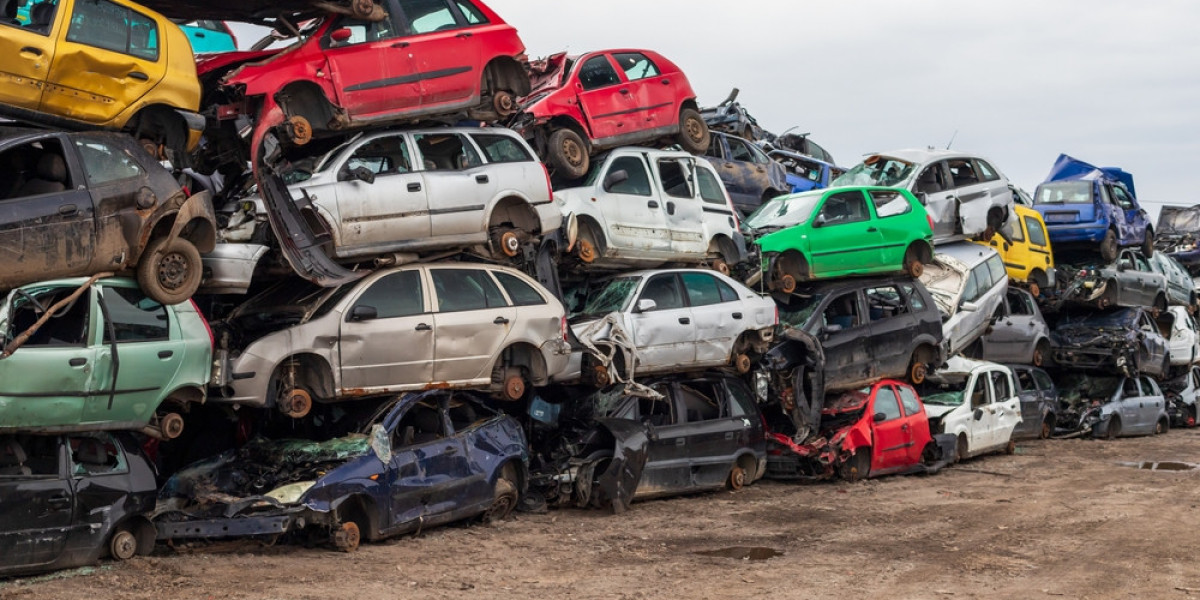

When you hand over your scrap car for scrapping, it feels like the end of the story. However, once collected, the vehicle ends up in a system with no national oversight. You see, Australia currently does not have a national scrap car tracking system and this has led to a growing, largely unnoticed problem across the automotive industry.
What happens when a car is scrapped in Australia today
In Australia, vehicle registration is handled differently across different states and territories. When a car becomes old, unwanted and uneconomical to repair, many car owners may cancel its registration. However, registration cancellation does not automatically mean that the vehicle has been recorded as scrapped.
There is no one central database that tracks:
Where the vehicle is dismantled
Whether it’s recycled responsibly or not
What happened to its parts and harmful materials
As a result, an unwanted car can go through multiple channels without any consistent oversight. After the car's registration has expired, the final journey of a car is essentially invisible, regardless of whether the scrap car is in Hills District or any other place in NSW.
What happens when there is no national system to track scrapped cars
When there is no single national tracking system, cars that have been scrapped, usually disappear from official records. A vehicle that has been deregistered (i.e. registration cancelled) does not guarantee that it was properly scrapped, dismantled or disposed of in an eco-friendly manner.
This is where junk cars or damaged cars may be stored for a longer time and dismantled recklessly. Authorities cannot confirm how many vehicles are scrapped each year or how many end up in landfill without a nationwide system.
The lack of tracking makes it harder to identify unlicensed companies. While licensed scrap car removal companies follow safety and environmental guidelines, other illegal operators often cut corners without any consequences. Now over time, this weakens people's trust in the car scrapping and recycling system.
Are there any systems in Australia to track scrapped cars or EVs?
The answer is yes but only partially. Australia has several separated systems, but none of these do full end to end tracking of vehicles from registration cancellation to scrapping.
State based Deregistration systems
Each state and territory in Australia records when a vehicle’s registration is cancelled.
Deregistration confirms that the vehicle cannot be driven.
It does not track what happens to the car afterward.
National Vehicle Register (NEVDIS)
NEVDIS tracks vehicle identification numbers (VINs), written-off vehicles, and registration status.
It helps prevent stolen or rebirthed vehicles from being driven on the roads again.
It does not confirm physical destruction or responsible scrapping.
EV and Battery Stewardship (Early Stage)
With the rise in EV adaptation, Australia is discussing battery stewardship frameworks.
It aims to safely handle lithium-ion batteries and support circular economy practices.
Remember that these systems are still developing and not mandatory nationwide.
Australia does not have a single national system that follows a vehicle from deregistration through scrap car removal to final scrapping or destruction. This gap is exactly what makes the issue so serious.
Why the lack of tracking is a serious issue
The absence of a national tracking system that tracks scrapped cars affects more than just paperwork.
From an eco-friendly perspective, vehicles have harmful fluids and if these fluids are not handled correctly they may contaminate water and soil. Without proper tracking, there is no way to make sure that every junk car is processed safely.
Then there is the data problem. According to several industry reports Australia is estimated to have at least 850,000 vehicles reach their end in the coming years. This number is based on estimates and is supposed to rise, reaching millions by 2030. However, the problem is that these numbers are guesswork rather than confirmed. Without accurate data, it is difficult to plan and set recycling targets.
The lack of standards creates unfair competition in the industry. Licensed businesses that offer car removal Sydney wide services invest in compliance and proper procedures. Meanwhile, many illegal companies operate without meeting the same requirements; this ends up affecting removal businesses that have managed to stay relevant by offering cash for cars Hills District services.
Impact on Car Owners and the Scrap Car Industry
For most car owners, getting rid of a scrap car remains quick and straightforward. However, without one national tracking system, owners cannot verify whether their vehicle is being scrapped responsibly. This only affects those that are concerned about the environment.
For the scrapping industry, the lack of a national rule has significant consequences:
No standard method to document the vehicle destruction
No unified recycling benchmarks
Limited recognition for ethical removal companies
These gaps impact companies handling unwanted cars in Australia.
Are There Any Efforts to Fix the Problem?
Government bodies and the automotive industry have acknowledged the issue. They proposed product stewardship models to improve the vehicle recycling process.
These proposals suggest higher recycling standards, but it's not legally binding. Right now, Australia does not require a national certificate of destruction or a central system to track scrap cars from road use to final scrapping or recycling.
When compared to other countries like the European Union (EU) or Japan, where vehicles are tracked throughout their lifecycle. Australia still lacks a formal, nationwide approach to end-of-life vehicle management.
While there is no national ELV law yet the FCAI (Federal Chamber of Automotive Industries) and the MTAA (Motor Trades Association of Australia) have developed a Product Stewardship Scheme proposal.
It aims:-
To improve recycling rates
Create better tracking systems
Establish nationally consistent standards for vehicle disposal
This scheme is still in development and not legally binding, but it represents a solid plan to address the gaps in Australia’s old vehicle management.
Conclusion
Australia’s lack of a single national system to track scrapped cars is a problem that goes unnoticed. From Car removal companies in Sydney to cash for cars Hills District services, the absence of national law leaves major gaps in how vehicles are managed at the end of their life.
So, until a national law is introduced, responsible scrap car removal companies play a crucial role in filling the gap. By choosing these licensed companies Australia can move closer to a safer, more accountable vehicle tracking system, one scrap car at a time.