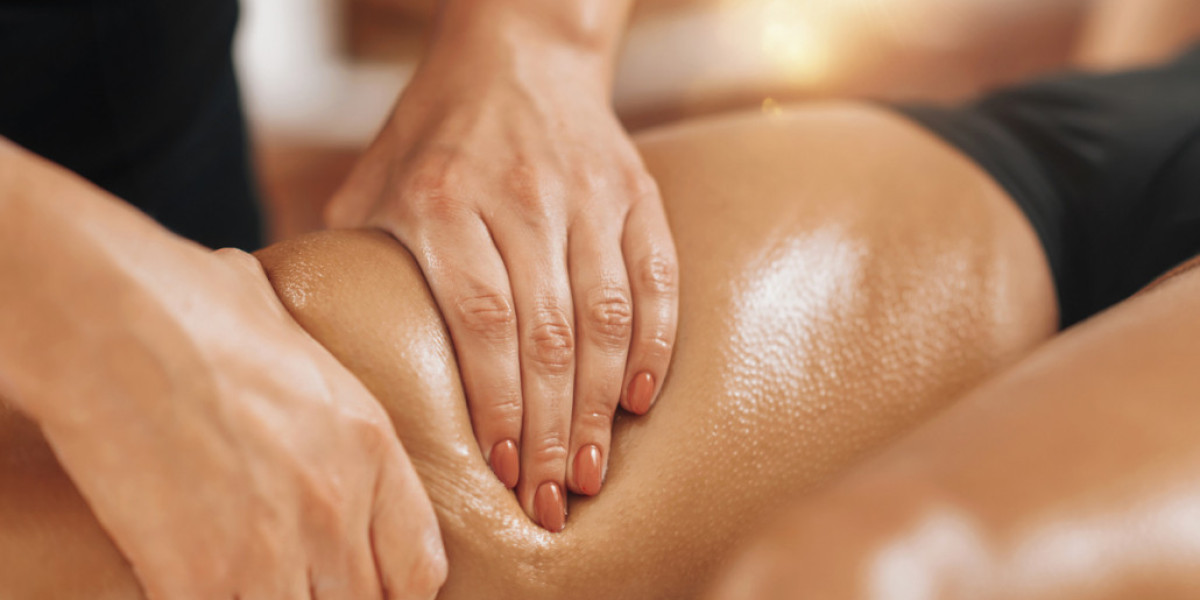

Lymphatic massage is often described as gentle on the surface, but internally it triggers a series of complex and beneficial processes throughout the body. As awareness around holistic wellness grows, many people exploring Lymphatic Massage in Riyadh are curious not just about how it feels, but what is actually happening beneath the skin. Understanding these internal changes helps explain why this therapy is increasingly included in long-term wellness and recovery routines.
The Activation of the Lymphatic System:
When a lymphatic massage begins, the primary internal change is the stimulation of the lymphatic system, a network of vessels and nodes responsible for fluid balance and waste removal. Light, rhythmic pressure encourages lymph fluid to move more efficiently through the vessels, preventing stagnation and congestion.
Internally, this leads to:
Increased lymph fluid circulation
Reduced pooling of excess fluids
Improved transport of waste materials
Enhanced communication between lymph nodes
This activation supports the body’s natural detoxification process without stressing other systems.
Improved Fluid Balance in Tissues:
One of the most noticeable internal effects of lymphatic massage is improved fluid regulation within body tissues. Excess interstitial fluid, which can cause swelling or heaviness, is guided back into the lymphatic vessels for processing.
This process results in:
Reduced tissue swelling
Improved oxygen and nutrient delivery
Less pressure on surrounding muscles and joints
A lighter, less congested physical sensation
Over time, consistent support of fluid balance contributes to healthier tissue function.
Detoxification and Waste Removal:
During a lymphatic massage, metabolic waste products such as cellular debris, proteins, and toxins are transported more effectively toward lymph nodes and elimination pathways. While the massage itself does not “flush” toxins, it optimizes the body’s existing detox mechanisms.
Key internal detox-related changes include:
Enhanced movement of waste through lymph channels
Support for liver and kidney filtration processes
Reduced buildup of inflammatory byproducts
Improved cellular environment
This efficient waste management supports overall vitality and energy levels.
Immune System Stimulation:
The lymphatic system is deeply connected to immune function, as lymph nodes act as filtering and defense centers. When lymph flow improves, immune cells such as lymphocytes circulate more effectively throughout the body.
Internally, this may lead to:
Faster immune cell response
Improved detection of pathogens
Enhanced removal of foreign particles
Stronger overall immune resilience
This immune support is subtle but significant, especially when lymphatic massage is used consistently.
Nervous System Response and Relaxation:
Beyond physical systems, lymphatic massage influences the nervous system, particularly by activating the parasympathetic “rest and digest” response. The slow, rhythmic movements signal safety and calm to the brain.
This response includes:
Lowered stress hormone levels
Slower heart rate and breathing
Reduced muscle guarding
Increased sense of relaxation
Internally, this shift allows the body to redirect energy toward healing and maintenance rather than stress response.
Circulatory System Support:
Although lymphatic massage targets lymph flow, it indirectly supports blood circulation as well. Improved fluid balance reduces pressure on blood vessels, allowing smoother circulation.
Internal circulatory benefits include:
Enhanced oxygen delivery to tissues
Improved nutrient transport
Reduced vascular congestion
Support for cardiovascular efficiency
The synergy between lymphatic and circulatory systems helps maintain overall systemic balance.
Cellular Health and Regeneration:
At the cellular level, lymphatic massage contributes to a healthier internal environment. By reducing waste accumulation and improving fluid exchange, cells are better able to perform their functions and regenerate efficiently.
This cellular impact includes:
Improved cell-to-cell communication
Reduced inflammatory signaling
Enhanced nutrient uptake
Support for tissue repair processes
Healthy cells form the foundation of long-term wellness and physical resilience.
Hormonal and Metabolic Effects:
The relaxation response triggered by lymphatic massage can also influence hormonal balance. Reduced stress allows the endocrine system to function more efficiently, supporting metabolic stability.
Potential internal effects include:
Lower cortisol production
Improved insulin sensitivity
Better regulation of appetite-related hormones
Support for balanced energy metabolism
These subtle shifts can have meaningful long-term effects on overall health.
Post-Massage Internal Adjustments:
After a lymphatic massage, the body continues processing the effects for hours or even days. Increased urination, deeper sleep, or mild fatigue can occur as internal systems adjust.
Common post-session responses include:
Ongoing lymph fluid movement
Continued waste elimination
Extended relaxation response
Gradual reduction in swelling
These signs indicate that the body is integrating the benefits of the session.
Adaptation With Repeated Sessions:
With repeated lymphatic massage sessions, the body becomes more efficient at maintaining lymph flow independently. This adaptation supports long-term balance rather than short-term relief.
Over time, internal adaptations may include:
Improved baseline lymph circulation
Reduced tendency toward fluid retention
Enhanced immune consistency
Greater stress resilience
This is why lymphatic massage is often recommended as part of a regular wellness routine rather than a one-time solution.
Lifestyle and Environmental Context:
In fast-paced urban environments, internal stress and sedentary habits can slow lymphatic movement. Interest in Lymphatic Massage in Riyadh reflects a growing awareness of the need to counteract these effects through gentle, non-invasive wellness practices.
This context highlights:
The impact of lifestyle on internal systems
The importance of proactive self-care
The role of massage in modern wellness
A shift toward preventative health strategies
Understanding the internal processes involved adds value to the experience itself.
Final Thoughts:
During a lymphatic massage, a quiet but powerful series of internal changes takes place, affecting fluid balance, detoxification, immunity, and nervous system regulation. These processes work together to support the body’s natural ability to heal, adapt, and maintain balance. When viewed through this internal lens, lymphatic massage becomes more than a relaxing experience—it becomes a strategic tool for long-term health and internal harmony.