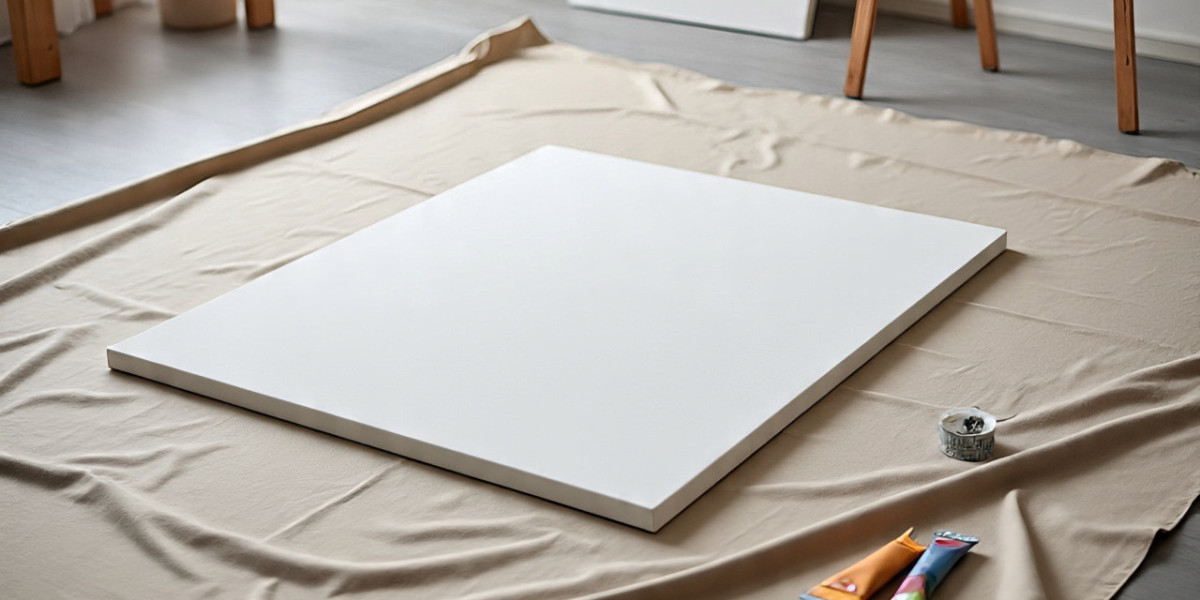

Painting and renovation projects require careful preparation to achieve clean, professional results. While most attention goes toward paint selection and tools, surface protection plays an equally important role. Floors, furniture, and fixtures are often exposed to spills, splashes, and dust during work. Without proper protection, cleanup becomes difficult and damage can occur.
A well-protected workspace allows projects to move smoothly and reduces stress during and after the job. Whether working on a residential interior or a commercial site, using reliable protective materials helps preserve surfaces and maintain a clean environment throughout the process.
Why Surface Protection Is Essential
During painting or renovation, accidents are almost unavoidable. Paint drips, dust, debris, and moisture can easily spread beyond the intended area. Surface protection acts as a barrier, preventing damage to flooring and surrounding elements.
Proper protection saves time by reducing cleanup efforts. It also minimizes the risk of permanent stains or scratches. For professionals, this means maintaining quality standards and avoiding costly repairs. For homeowners, it ensures peace of mind during projects.
Surface protection is not an optional step but a foundational part of preparation.
Common Challenges During Painting Projects
Painting environments often involve movement, ladder use, and frequent tool handling. These activities increase the chances of spills and scuffs. Lightweight or low-quality protective materials can shift, tear, or fail to stay in place.
Uneven surfaces and high-traffic areas further increase risk. Paint can seep through thin coverings, and dust can accumulate in unprotected zones. Choosing the right protective solution helps address these challenges effectively.
Durability and stability are key factors when selecting surface protection.
Benefits of Using Fabric-Based Protection
Fabric-based coverings offer several advantages over disposable alternatives. They provide better absorption, reducing the spread of liquids and minimizing pooling. Their weight helps them stay in place, even in busy work areas.
Reusable fabric coverings also support sustainability by reducing waste. They can be cleaned and reused multiple times without losing effectiveness. This makes them a practical choice for both professionals and frequent DIY users.
Fabric protection combines durability with efficiency.
How Canvas Materials Improve Project Outcomes
Canvas materials are widely used in painting and renovation due to their strength and reliability. They resist tearing and provide consistent coverage across surfaces. This ensures that paint and debris remain contained.
The absorbent nature of canvas helps control spills before they spread. Unlike plastic coverings, canvas does not become slippery, reducing safety risks during movement. This added traction supports safer working conditions.
Using a Canvas Drop Cloth enhances both protection and workflow efficiency.
Choosing the Right Size and Coverage
Proper coverage is essential for effective protection. Coverings should extend beyond the immediate work area to account for movement and overspray. Choosing the correct size helps prevent gaps that could expose surfaces.
Overlapping coverage in high-risk areas adds an extra layer of security. Larger projects may require multiple coverings to ensure complete protection. Planning coverage in advance prevents interruptions once work begins.
Adequate coverage supports smoother project execution.
Safety and Stability During Use
Safety is a major consideration in any workspace. Slipping hazards can occur when coverings shift or wrinkle. Heavier fabric-based options remain stable, reducing movement during use.
Stability also improves confidence while working. Workers can focus on precision without worrying about footing. This is especially important when working at heights or around detailed areas.
Reliable protection contributes to a safer work environment.
Maintenance and Reusability Advantages
Reusable protection materials offer long-term value. After use, they can be cleaned and stored for future projects. This reduces recurring costs and ensures consistent quality over time.
Proper maintenance extends lifespan. Simple cleaning routines remove paint and debris, keeping coverings ready for reuse. Organized storage prevents damage and maintains usability.
Reusability makes fabric protection a smart investment.
Applications Beyond Painting
Protective coverings are useful beyond painting projects. They are often used during repairs, remodeling, and maintenance tasks. Any activity involving dust, liquids, or tools benefits from surface protection.
Using the same protective materials across different projects simplifies preparation. Versatility adds to their overall value and practicality.
Multi-purpose use enhances efficiency.
Professional and DIY Project Benefits
Both professionals and DIY users benefit from reliable surface protection. Professionals rely on consistency and durability to meet quality standards. DIY users appreciate ease of use and reduced cleanup effort.
Using dependable materials improves confidence regardless of experience level. Projects feel more manageable when surfaces are protected effectively.
Protection supports better results for everyone.
Trusted Availability and Quality
Access to dependable protection materials simplifies project planning. Reliable suppliers ensure consistent quality and availability, reducing delays. Stores like Peterson’s Paints provide solutions designed to meet real-world project needs.
Trust in product quality allows users to focus on the task rather than worrying about protection performance.
Reliable sourcing supports smoother workflows.
Final Thoughts
Surface protection is a critical part of any painting or renovation project. It safeguards floors and furnishings, improves safety, and simplifies cleanup. Thoughtful preparation leads to cleaner results and fewer complications.
Using a Canvas Drop Cloth provides durability, stability, and effective coverage for a wide range of applications. With proper selection and care, protective materials become a dependable part of every project, supporting efficiency and peace of mind from start to finish.