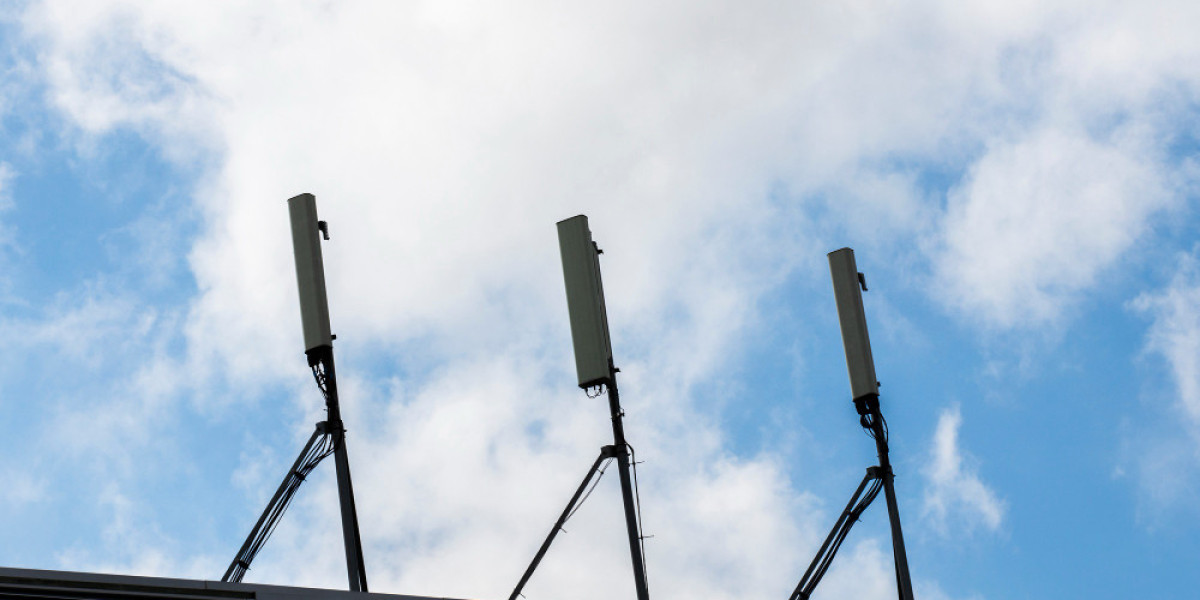

An antenna monitoring system is a critical technology used to monitor the health, performance, and operational status of antennas in real time. As modern communication networks expand with 4G, 5G, broadcasting, and IoT infrastructure, maintaining antenna efficiency has become essential for uninterrupted connectivity.
What Is an Antenna Monitoring System?
An antenna monitoring system is a hardware-software solution designed to continuously track antenna parameters such as signal strength, voltage standing wave ratio (VSWR), temperature, power levels, and physical alignment. These systems help operators detect faults early, reduce downtime, and ensure optimal network performance.
In telecom towers, broadcast stations, and defense communication setups, an antenna monitoring system acts as an early warning mechanism against equipment failure or environmental damage.
Why Antenna Monitoring Is Important
Without proper monitoring, antenna issues may go unnoticed until service degradation occurs. An antenna monitoring system helps:
Prevent unexpected signal loss
Reduce maintenance costs
Improve network reliability
Enhance safety for tower infrastructure
Support regulatory compliance
As networks become more complex, manual inspection alone is no longer sufficient.
How Does an Antenna Monitoring System Work?
An antenna monitoring system operates through a combination of sensors, data transmission units, and centralized software dashboards.
1. Sensor Data Collection
Sensors installed near or within the antenna collect real-time data on signal quality, RF power, temperature, tilt, and vibration. These sensors form the foundation of the antenna monitoring system.
2. Data Transmission
The collected data is transmitted securely to a central server using wired or wireless communication protocols. Modern antenna monitoring systems often use IoT and cloud connectivity.
3. Data Analysis and Alerts
Advanced analytics software evaluates the incoming data. If abnormal readings are detected—such as increased VSWR or temperature—the antenna monitoring system triggers instant alerts via email, SMS, or dashboards.
4. Remote Access and Control
Operators can access the antenna monitoring system remotely to analyze performance trends, generate reports, and plan preventive maintenance.
Industries That Use Antenna Monitoring Systems
Telecom operators (4G/5G networks)
Broadcasting stations
Defense and aerospace communication
Smart cities and IoT infrastructure
Emergency and disaster management services
Future of Antenna Monitoring Systems
With AI and predictive analytics, antenna monitoring systems are evolving to detect failures before they occur. Integration with 5G and edge computing will further improve real-time decision-making.
Conclusion
An antenna monitoring system is no longer optional—it is a necessity for maintaining reliable and high-performing communication networks. By providing real-time insights and proactive alerts, these systems help organizations reduce downtime and improve operational efficiency.