
Personal Protective Equipment (PPE) serves as an essential safeguard in various Australian industries, protecting individuals from occupational hazards and potential health risks. Its application spans across sectors such as healthcare, construction, manufacturing, and mining, with each requiring tailored protective solutions to address specific challenges. PPE includes items like protective clothing, helmets, gloves, and respiratory gear, all of which are designed to mitigate exposure to harmful environments. The importance of PPE is reinforced by the country's commitment to workplace safety, supported by comprehensive regulations and standards. The proper implementation and use of PPE not only reduces injury risks but also contributes to a culture of safety within the workplace. Understanding the role and significance of PPE in Australia highlights its fundamental position in promoting safer and healthier working conditions for employees across diverse sectors.
Regulations Governing PPE in Australia
Australian regulations surrounding PPE are structured to ensure the highest standards of safety in the workplace. Organisations such as Safe Work Australia establish and enforce guidelines that govern the manufacturing, testing, and use of protective equipment. These regulations outline detailed specifications for various types of PPE, including head, eye, respiratory, and hand protection. Compliance with these standards is obligatory for manufacturers and employers, with regular assessments conducted to ensure adherence.
The guidelines also provide instructions for proper labelling, storage, and disposal of PPE, reinforcing its safe and effective use. Additionally, state and territory-specific requirements may complement national standards, addressing unique regional workplace safety needs. By adhering to these regulations, workplaces contribute to the reduction of accidents and occupational health risks, fostering a culture of compliance and safety across various industries in Australia.
Types of Personal Protective Equipment
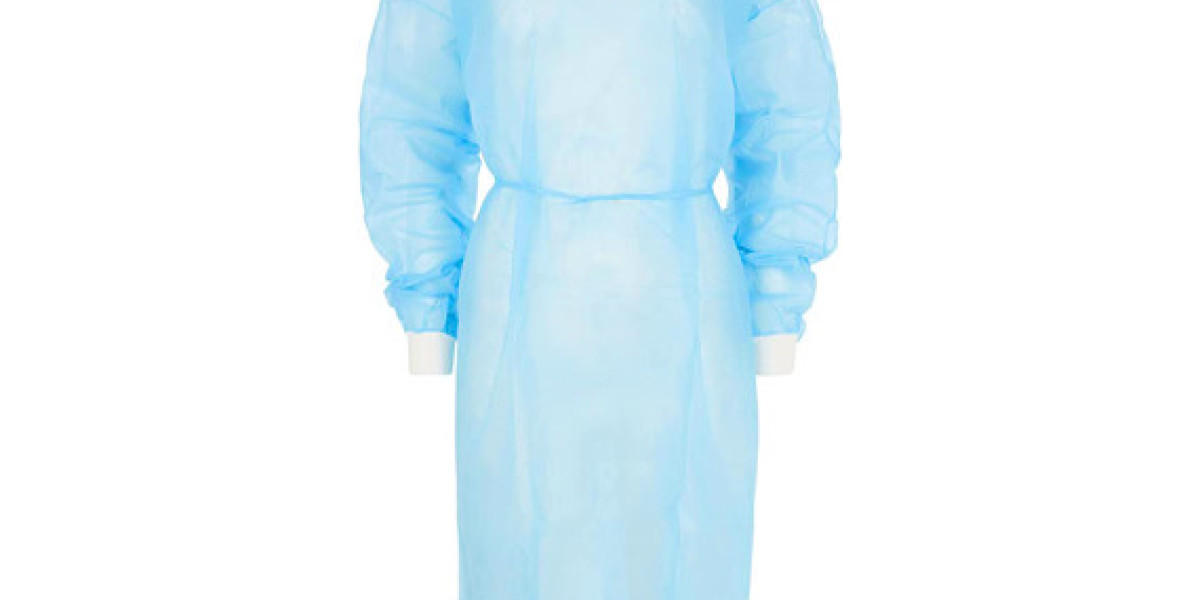
Personal Protective Equipment (PPE) encompasses various items designed to address specific workplace hazards. Categories include respiratory protection, such as masks and respirators, which shield against airborne contaminants, and eye protection like goggles or safety glasses, which safeguard against debris or chemical splashes. Protective clothing, including overalls or chemical-resistant suits, offers coverage against harmful substances or extreme conditions.
Gloves are another essential component, varying from cut-resistant options for industrial tasks to medical-grade versions for healthcare environments. Foot protection, including steel-capped boots, helps prevent injuries from heavy objects or sharp surfaces, while hearing protection, such as earmuffs or earplugs, reduces exposure to harmful noise levels. Each type of PPE is meticulously tailored to specific risks, ensuring that workers in diverse industries can maintain safety and minimise exposure to occupational hazards while adhering to established workplace standards.
Selecting the Right PPE
Selecting suitable PPE requires careful evaluation of workplace hazards and the nature of tasks performed. The level of protection needed should align with identified risks, ensuring that all potential dangers are adequately addressed. Proper sizing is essential to maintain both effectiveness and comfort, as improperly fitted equipment can compromise safety or hinder movement.
Material selection also plays a critical role, with durable, task-specific options providing greater reliability under demanding conditions. Compatibility with other protective gear must be considered, avoiding interference or reduced functionality when multiple items are worn together.
Additionally, ease of use and maintenance are factors that influence the practicality of PPE in daily operations. By prioritising these considerations, workplaces can ensure that their protective solutions provide maximum efficiency and safety, supporting the health and well-being of workers across various industries.
Maintenance and Care for PPE
Proper maintenance and care of personal protective equipment are integral to preserving its functionality and ensuring continued safety. Regularly scheduled inspections can help identify damage, such as cracks, tears, or wear, that may compromise its protective capabilities. Cleaning processes should adhere to recommended guidelines, ensuring the integrity of the materials remains intact while removing contaminants effectively. Appropriate storage conditions, such as avoiding direct sunlight or high humidity, are necessary to prevent material degradation.
For equipment with specific expiration dates, timely replacement is crucial to maintain safety standards. Misuse during cleaning, such as exposure to abrasive substances, can lead to diminished performance. Routine documentation of inspections and maintenance schedules is a useful practice to ensure compliance with safety regulations. Careful handling, maintenance, and storage collectively support the consistent performance of PPE, helping to safeguard workers in diverse environments.
Challenges Faced by PPE Manufacturers
PPE manufacturers face complex issues in balancing high-quality production with meeting strict regulatory requirements. Ensuring consistency in the quality of materials remains a significant focus, particularly as workplace standards evolve to address emerging hazards. Accessing advanced raw materials can also prove challenging, especially amidst fluctuating global supply chains and market dynamics. Manufacturers must also consider the environmental impact of their processes, prompting a shift towards sustainable and recyclable materials.
Additionally, increasing demand for customisation to suit industry-specific needs has led to greater emphasis on innovation in design and functionality. Investment in research and development is crucial to meet these expectations while maintaining affordability and accessibility. Adapting to technological advancements, such as integrating smart features into PPE, further adds to the complexity of production. These factors collectively drive the continuous development of effective protective solutions.
Impact of COVID-19 on PPE Demand
The COVID-19 pandemic created an unprecedented rise in the demand for PPE, particularly within healthcare and essential services in Australia. This surge highlighted the critical need for adequate protective measures to prevent the spread of infectious diseases. Sectors such as aged care, emergency services, and public-facing roles rapidly adapted to implement stricter protective protocols. Supply chain pressures during the pandemic revealed vulnerabilities in global manufacturing and distribution networks, leading to a reassessment of local production capabilities and inventory strategies.
Additionally, the crisis prompted advancements in PPE design, with an increased focus on reusable and sustainable options to address environmental concerns. These developments reflect the long-term influence of the pandemic on the standards and practices surrounding PPE usage.
PPE for Specific Industries
Various Australian industries rely on PPE tailored to their distinct operational risks. In agriculture, items such as chemical-resistant gloves and respirators are essential for handling pesticides and dust exposure. The mining sector prioritises equipment like reinforced helmets, high-visibility vests, and respiratory protection to counter physical and airborne hazards in challenging environments.
Similarly, the manufacturing industry employs specialised gloves, protective eyewear, and hearing protection to address risks such as sharp machinery, chemical exposure, and excessive noise levels. In food processing, hairnets, gloves, and hygiene masks ensure both worker safety and product quality. Each industry-specific PPE application is guided by regulations that ensure compatibility with the hazards present, supporting a safer working environment across diverse operational settings.
Innovations in PPE Technology
Advancements in personal protective equipment technology are transforming workplace safety through innovative solutions. Cutting-edge materials are being developed to provide enhanced durability, lightweight design, and greater flexibility, ensuring improved functionality without compromising protection. Smart PPE is gaining prominence, incorporating features such as integrated sensors that monitor environmental hazards, including temperature fluctuations and air quality. Real-time data transmission and connectivity are becoming increasingly common, enabling seamless communication and immediate response to potential threats.
Developments in nanotechnology are also being explored to enhance resistance against chemicals and microscopic contaminants. Sustainable production methods, such as biodegradable components and recyclable materials, are influencing modern designs, reflecting a growing emphasis on environmental responsibility. These technological strides continue to reshape the potential of PPE across industries.
Training and Education for PPE Use
Effective training and education are essential to ensure the correct use of personal protective equipment within workplaces. Employees must be instructed on the proper procedures for donning, adjusting, and removing PPE to maintain its effectiveness. Comprehensive training should also cover the specific limitations of protective equipment, ensuring that workers understand the scope of its protection.
Visual demonstrations, practical exercises, and detailed guidelines contribute to better comprehension and adherence to safety protocols. Periodic refresher sessions are valuable to reinforce proper practices and update knowledge on any new equipment or regulatory changes. Employers play a pivotal role in facilitating access to reliable training resources, fostering a culture of safety and compliance across diverse occupational environments.
The Role of PPE in Occupational Health
Personal protective equipment serves as a cornerstone in safeguarding workers from exposure to occupational hazards, significantly reducing the risk of injuries and illnesses. Its application is particularly vital in high-risk environments, where physical, chemical, or biological threats are present. By acting as a barrier against harmful elements, PPE supports the prevention of workplace incidents that could impact employee well-being.
Furthermore, its integration into occupational health policies reinforces compliance with safety standards, promoting consistent risk management practices. The effective use of PPE ensures that health and safety remain prioritised, fostering a protective environment for workers across various industries and operational settings.
Future Trends in PPE Development
Advancements in personal protective equipment are increasingly focusing on incorporating sustainable materials and eco-friendly production processes, reflecting growing environmental priorities. Innovations such as lightweight, breathable fabrics and ergonomic designs aim to enhance user comfort without compromising safety. The integration of wearable technology, including sensors for real-time hazard detection and health monitoring, is expected to expand across industries.
Customisable PPE tailored to specific tasks and environments is also emerging as a key trend, offering more effective protection. Continuous research and development efforts are shaping the future of PPE, ensuring it evolves alongside changing workplace demands and technological advancements.
Conclusion
In conclusion, Personal Protective Equipment (PPE) in Australia has undergone a transformative shift in 2026, driven by the 1 December 2026 deadline for the new Workplace Exposure Limits (WEL). These reforms, which replace older standards, impose significantly stricter thresholds for airborne contaminants like flour dust and diesel exhaust, making high-performance respiratory gear more critical than ever. Furthermore, the Australian market is increasingly adopting "Smart PPE"—such as sensor-integrated helmets—and sustainable, circular-economy solutions like PPE recycling programmes. By prioritising compliant, AS/NZS-certified equipment, Australian businesses not only protect their workforce from physical and chemical hazards but also ensure they remain audit-ready in an evolving regulatory landscape.
Frequently Asked Questions
What are the primary Australian Standards I should look for when purchasing PPE?
In Australia, PPE must comply with specific AS/NZS (Australian/New Zealand) standards to ensure it is fit for purpose. Key standards include AS/NZS 1801 for occupational helmets, AS/NZS 1337.1 for eye and face protection, and AS/NZS 1716 for respiratory protective devices. For hand protection, look for AS/NZS 2161, and for safety footwear, AS/NZS 2210 is the benchmark. Compliance is often indicated by a certification mark, such as the "Five Ticks" logo, which proves the product has undergone independent, rigorous testing to meet Australian safety benchmarks.
How do the 2026 Workplace Exposure Limit (WEL) changes affect PPE requirements?
The transition from Workplace Exposure Standards (WES) to Workplace Exposure Limits (WEL), effective from 1 December 2026, introduces legally enforceable limits that must not be exceeded. For many industries, such as food manufacturing and transport, the new limits are significantly stricter (e.g., the flour dust limit is ten times lower than previous benchmarks). This means that standard masks may no longer be sufficient, and employers must upgrade to higher-grade respiratory protection or Powered Air-Purifying Respirators (PAPRs) to ensure worker exposure remains below these new, mandatory Australian thresholds.
Can smart PPE actually monitor worker health in real-time on Australian sites?
Yes, in 2026, "Smart PPE" is becoming a standard feature on high-risk Australian worksites, particularly in mining and construction. Modern smart helmets and vests are equipped with IoT sensors that monitor heart rate, body temperature, and environmental factors like gas levels or heat index. These devices can send real-time alerts to safety managers if a worker shows signs of heat stress or if an impact (fall) is detected. This technology acts as a proactive layer of safety, providing data that allows for immediate intervention before an injury occurs.
What are the current Australian options for recycling end-of-life PPE?
Australia has seen a significant rise in circular economy initiatives for PPE waste in 2026. Programmes like the 360processed initiative and partnerships with recyclers like UPPAREL allow businesses to divert old hard hats, high-vis vests, and safety boots from landfill. These items are often shredded and repurposed into new materials like insulation or flooring. To participate, Australian organisations can set up dedicated collection bins on-site, ensuring that the final stage of the PPE lifecycle aligns with the 2030 National Packaging Targets and broader environmental sustainability goals.
Is it legal for an Australian employer to charge workers for their mandatory PPE?
Under the Model Work Health and Safety (WHS) Regulations enforced by Safe Work Australia, a Person Conducting a Business or Undertaking (PCBU) must provide all necessary PPE to workers at no cost. This include visitors to the site. The employer is also responsible for ensuring the gear fits correctly, is in good working order, and that workers are properly trained in its use. While some workplaces may offer a "PPE allowance," the legal duty remains with the employer to verify that the equipment used is compliant, comfortable, and provides the required level of protection for the specific task.
Related Business Listings |