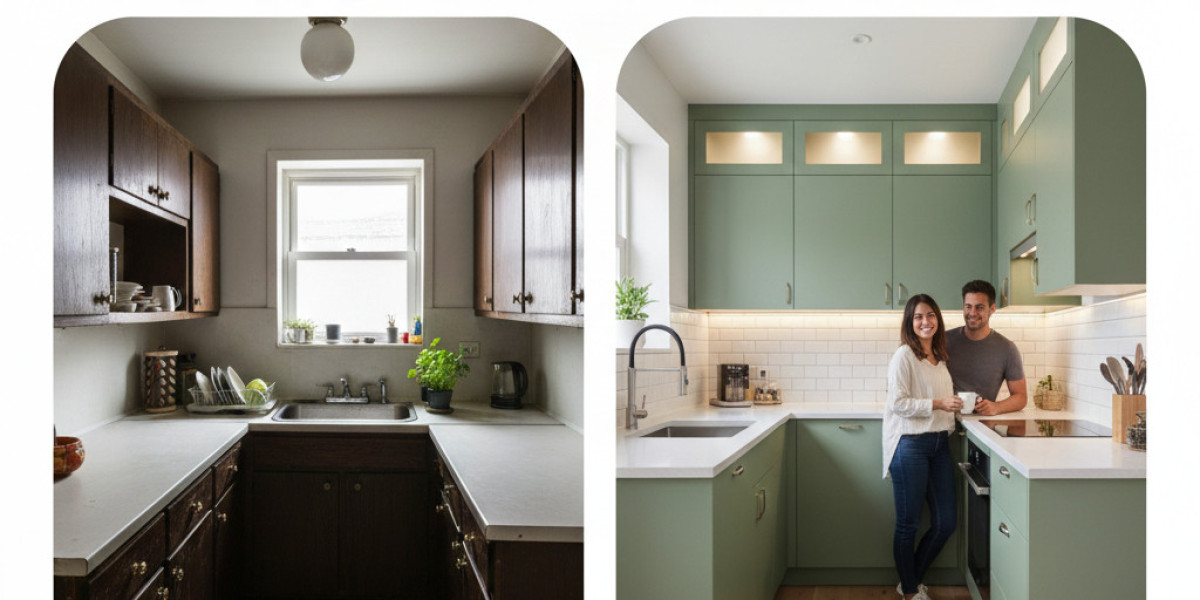

Choosing the right kitchen cabinetry is the cornerstone of any kitchen design or renovation. More than just storage, your cabinets define the room's aesthetic, dictate its functionality, and represent a significant portion of your investment. With a vast array of styles, materials, and construction methods available, navigating these choices can feel overwhelming. This comprehensive guide is designed to demystify the world of kitchen cabinets, providing you with the knowledge needed to make confident decisions that balance beauty, durability, and budget, ultimately creating a kitchen that is both stunning and supremely functional.
Understanding Kitchen Cabinetry: More Than Just Doors and Drawers
At its core, kitchen cabinetry is a system of modular storage units that form the backbone of your kitchen's layout. Each cabinet is composed of a "box" or "carcass," which is then fitted with doors, drawers, shelves, and hardware. The quality of construction, the materials used, and the design details collectively determine the cabinets' longevity, performance, and visual impact. Whether you are building new, remodeling, or simply refacing, understanding these components is the essential first step in selecting cabinets that will serve your home for decades.
The Three Primary Tiers of Cabinet Quality
Kitchen cabinetry is broadly categorized into three main types, each with distinct price points and characteristics:
Stock Cabinets: These are pre-made in standard sizes and finishes, readily available at large home improvement stores. They offer the most affordable and fastest option, often available for immediate pickup. However, customization is extremely limited, and construction materials tend to be lighter (often using particleboard or thinner plywood).
Semi-Custom Cabinets: This popular middle ground offers a balance of affordability and flexibility. Manufacturers provide a range of standard sizes and styles, but you can customize details like door style, finish, wood species, and some interior accessories. They are built to order, resulting in better construction materials (like plywood boxes) and a lead time of several weeks.
Custom Cabinetry: This is the highest-end option, built entirely to your specifications by a cabinetmaker. Every dimension, detail, material, and interior feature is tailored to your exact kitchen layout and personal needs. While offering unparalleled design freedom and the finest craftsmanship, custom cabinets come with a premium price tag and the longest production timeline.
Exploring Popular Door Styles and Design Aesthetics
The door style you choose sets the overall tone of your kitchen. Here are some of the most enduring and popular options:
Shaker: Defined by a five-piece door with a flat center panel and square, clean-lined framing. Shaker style is versatile, timeless, and works beautifully in traditional, transitional, and modern farmhouse kitchens.
Slab (or Flat-Panel): Featuring a completely flat, uninterrupted surface, slab doors are the hallmark of modern and contemporary design. They emphasize clean lines, minimalism, and are often paired with sleek, integrated hardware.
Raised Panel: A classic, traditional style where the center panel is raised above the surrounding frame. It adds dimension and detail, often found in conventional, country, or elegant formal kitchens.
Inset: In this high-craftsmanship style, the door sits perfectly flush within the cabinet frame. It offers a tailored, furniture-like appearance but requires precise construction and can be more sensitive to humidity changes.
Glass-Front: Incorporating glass panels, either clear, frosted, or with decorative mullions, adds visual lightness, allows for display, and can make a small kitchen feel more open.
A Guide to Materials and Construction
The longevity of your kitchen cabinetry depends heavily on the materials used in both the cabinet box and the doors.
Box Construction: The cabinet carcass should be sturdy and stable.
Plywood: Considered the gold standard for durability and resistance to warping. It holds screws securely and stands up well to moisture.
Medium-Density Fiberboard (MDF): A very smooth, stable engineered wood perfect for painted finishes. It is less resistant to direct water than plywood but is often used for door panels and shelving.
Particleboard: A budget-friendly but less durable option. It is more susceptible to swelling from moisture and does not hold screws as well over time.
Door Materials:
Solid Wood: (e.g., maple, oak, cherry, hickory) Offers natural beauty, grain variation, and can be stained or painted. It can expand and contract with humidity.
MDF with Veneer: An MDF core is covered with a thin layer of real wood veneer. It provides the look of solid wood with greater stability and is often more affordable.
Thermofoil: A layer of vinyl foil is heat-fused to an MDF door. It's durable, easy to clean, and excellent for achieving a high-gloss, seamless look, but it can be vulnerable to heat damage.
Laminate: A plastic layer fused to a substrate. It is highly scratch and stain-resistant, available in countless colors and patterns, and is very budget-friendly.
Maximizing Function with Interior Storage Solutions
Today's kitchen cabinetry is as much about intelligent storage as it is about appearance. Innovative interior features can dramatically improve organization and accessibility:
Pull-Out Shelves and Baskets: Transform deep, hard-to-reach base cabinets into easily accessible storage for pots, pans, and pantry items.
Vertical Dividers: Perfect for organizing baking sheets, cutting boards, and serving trays.
Spice Pull-Outs: Narrow, tiered drawers that bring spices to your fingertips.
Tray Dividers: Custom slots for lids and flat items.
Corner Solutions: Lazy Susans or magical corner pull-out systems to utilize every inch of awkward corner cabinet space.
Soft-Close Mechanisms: A modern standard for doors and drawers, preventing slamming and ensuring a quiet, gentle close.
The Importance of Professional Design and Installation
Even the finest cabinets will underperform if they are poorly designed or installed. Working with a professional kitchen designer or an experienced installer is highly recommended. They can create an efficient "work triangle" layout, suggest optimal storage solutions for your cooking habits, and ensure precise installation that guarantees doors hang level, drawers glide smoothly, and the entire system functions as intended for years to come.
Conclusion: Investing in the Heart of Your Home
Your kitchen cabinetry is a long-term investment that defines the most important room in your house. By understanding the different tiers of quality, exploring style and material options, and prioritizing both aesthetics and intelligent storage, you can make choices that lead to a kitchen you truly love. Remember to balance your budget with your lifestyle needs, and don't underestimate the value of professional guidance. The result will be a beautiful, highly functional kitchen that serves as the joyful center of your home for decades.