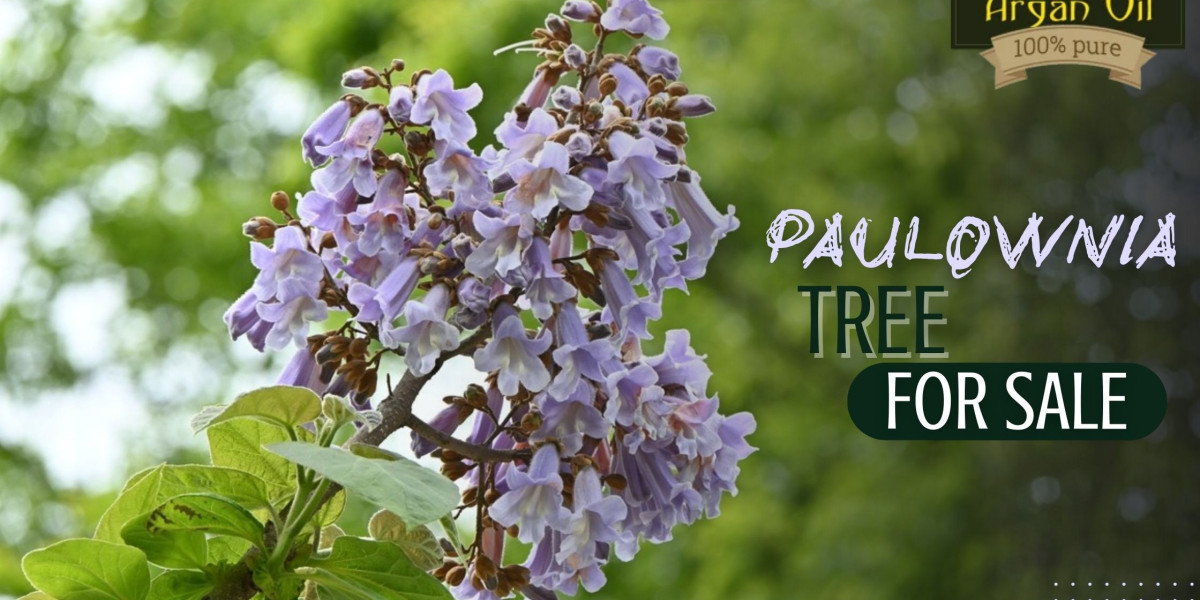

The Paulownia tree has gained global attention as one of the fastest-growing and most versatile trees in the world. Known for its lightweight, high-value timber and environmental benefits, Paulownia is increasingly sought after for commercial plantations, reforestation projects, and sustainable wood production. At Argania Export Company , we offer premium Paulownia Tree for Sale to clients looking for reliable planting stock and long-term returns.
Understanding the ideal climates and growing conditions for Paulownia is essential to achieve healthy growth, rapid biomass production, and high-quality timber. This article provides a comprehensive guide to where and how Paulownia trees thrive best.
Understanding the Paulownia Tree
Paulownia is a deciduous hardwood tree native to Asia, particularly China, but it has been successfully cultivated in many regions worldwide. Its rapid growth rate—often reaching 4 to 6 meters in the first year under optimal conditions—makes it a popular choice for commercial forestry.
The tree is valued for:
Fast growth and early harvest cycles
Lightweight, strong, and warp-resistant wood
High resistance to pests
Environmental benefits such as carbon absorption
These characteristics make Paulownia Tree for Sale an attractive investment for farmers and forestry developers.
Ideal Climate for Paulownia Trees
Temperature Requirements
Paulownia trees perform best in moderate to warm climates. Ideal temperature ranges include:
Optimal growth: 15°C to 30°C
Tolerable range: -5°C to 40°C
Young trees are sensitive to frost during their first year, so frost-free periods are crucial during early growth stages. Once established, Paulownia trees can tolerate light frost without long-term damage.
Rainfall and Humidity
Paulownia prefers moderate rainfall, typically between 600 mm and 1,200 mm annually. While the tree is drought-tolerant once established, consistent moisture during the first two years promotes faster growth and stronger root development.
Regions with seasonal rainfall patterns are suitable, provided irrigation is available during dry periods. Excessive humidity, however, can increase the risk of fungal diseases if soil drainage is poor.
Sunlight Exposure
Full sun is essential for optimal growth. Paulownia trees require at least 6 to 8 hours of direct sunlight daily. Shaded or overcrowded conditions can significantly reduce growth speed and wood quality.
When purchasing Paulownia Tree for Sale, proper site planning and spacing are critical to ensure maximum sunlight exposure.
Soil Conditions for Optimal Growth
Soil Type
Paulownia trees adapt to a wide range of soil types but perform best in:
Sandy loam or loamy soils
Well-drained soils with good aeration
Heavy clay soils that retain water should be avoided unless properly amended, as waterlogging can stunt growth and damage roots.
Soil pH
The ideal soil pH range for Paulownia is 5.5 to 8.5, making it highly adaptable compared to many hardwood species. Slightly acidic to neutral soils tend to produce the fastest growth.
Soil Fertility
Although Paulownia is known for its resilience, nutrient-rich soils significantly improve growth rates. Organic matter and balanced fertilization during the first few years enhance trunk diameter and overall biomass production.
Water Management and Irrigation
Water is especially important during the establishment phase. Newly planted Paulownia trees benefit from:
Regular irrigation during the first 12–24 months
Deep watering to encourage strong root systems
Once established, Paulownia trees become relatively drought-tolerant and require less frequent watering. Over-irrigation should be avoided to prevent root rot.
Wind and Environmental Considerations
Young Paulownia trees have large leaves and fast-growing stems, making them vulnerable to strong winds. Windbreaks or sheltered planting sites are recommended, especially in open agricultural areas.
However, mature trees develop strong trunks and can withstand moderate winds without issue.
Altitude and Geographic Suitability
Paulownia trees grow best at altitudes below 1,200 meters above sea level , although certain hybrids can tolerate higher elevations. Warm valleys, plains, and gently sloping lands are ideal planting locations.
At Argania Export Company, we advise clients on selecting the right Paulownia varieties based on their geographic conditions.
Planting Density and Spacing
Correct spacing is essential for healthy growth and high-quality timber production. Common spacing recommendations include:
4 x 4 meters for timber plantations
Wider spacing for agroforestry systems
Proper spacing improves airflow, sunlight penetration, and trunk straightness—key factors for commercial wood value.
Growth Cycle and Harvest Timeline
Under ideal conditions, Paulownia trees can be harvested in 5 to 8 years , depending on the intended use. One of the tree's unique advantages is its ability to regrow from the stump after harvesting, reducing replanting costs.
This rapid regeneration further increases the appeal of Paulownia Tree for Sale for long-term forestry investments.
Environmental Benefits of Growing Paulownia
Beyond timber production, Paulownia offers significant environmental advantages:
High carbon dioxide absorption
Soil improvement through leaf litter
Compatibility with intercropping systems
These benefits make Paulownia an excellent choice for sustainable land management projects.
Argania Export Company's Paulownia Supply Standards
At Argania Export Company , our Paulownia Tree for Sale is sourced and prepared to meet international quality expectations. We provide:
Healthy, well-selected planting material
Guidance on climate and soil suitability
Support for export logistics and documentation
Our goal is to help clients achieve successful plantations and long-term value.
Surgery
Choosing the right climate and growing conditions is essential to unlocking the full potential of Paulownia trees. With proper sunlight, soil, water management, and site selection, Paulownia offers exceptional growth rates and economic returns.
By purchasing Paulownia Tree for Sale from Argania Export Company, you gain access to quality planting stock and expert support, ensuring your investment in Paulownia cultivation starts on the strongest possible foundation.