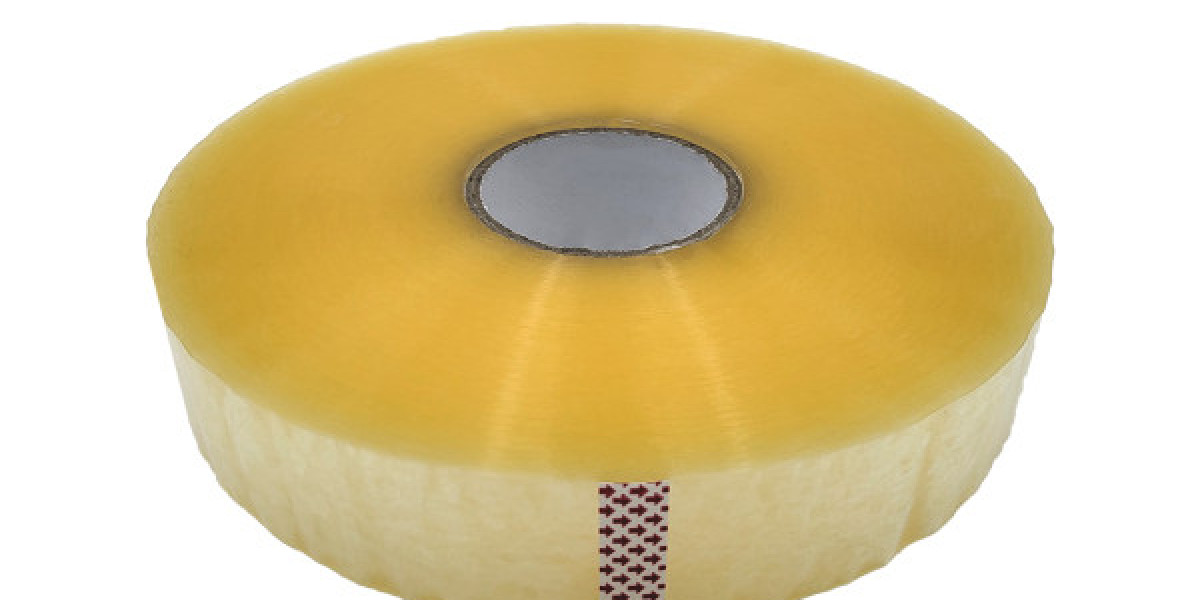

Adhesive tape is an essential item with a wide range of practical applications in everyday life. Its ability to bond, seal, and secure makes it an indispensable tool across numerous tasks, from household repairs to creative endeavours. Available in various forms, adhesive tape caters to different needs, such as joining materials, protecting surfaces, or organising spaces. Its versatility and ease of use contribute to its widespread presence in homes, offices, and industrial settings. With its capacity to provide quick and effective solutions, sticky tape remains a valuable resource for managing diverse challenges.
Repairing Torn Pages
Torn pages in books or important documents can be effectively restored using adhesive tape. Carefully aligning the edges of the tear and applying the tape along the damaged area helps to reinforce the material and prevent further ripping. Transparent varieties are often preferred for this purpose, as they blend seamlessly with the page, ensuring minimal visual disruption.
The application of adhesive tape in such cases is especially useful for preserving valuable or sentimental items that might otherwise be rendered unusable. It is essential to ensure that the tape is applied smoothly to avoid creases or uneven adhesion, which could affect the overall appearance or functionality of the repaired item. This practical approach allows for continued use of printed materials while maintaining their structural integrity.
Sealing Packages
Adhesive tape plays a pivotal role in maintaining the security and durability of packages, particularly during handling and transportation. Its application ensures that boxes, envelopes, and other packaging materials remain firmly sealed, preventing items from becoming exposed or damaged. Varieties designed for heavy-duty use are ideal for securing larger parcels, while lighter tapes are suited for smaller or more delicate packages.
Additionally, specific types of adhesive tape are engineered to adhere to different surfaces, providing a dependable seal for cardboard, plastic, or other materials. By safeguarding the contents and maintaining structural integrity, adhesive tape is instrumental in facilitating the safe delivery of goods. Its efficiency in sealing packages makes it indispensable in contexts ranging from personal shipments to professional logistics, offering a reliable solution for diverse packaging needs.
Temporary Hemming
Adhesive tape provides a practical solution for achieving temporary adjustments to clothing, particularly when alterations are needed at short notice. It is commonly used to secure fabric in place, enabling quick adjustments to hems, sleeves, or other sections of garments without the need for sewing. This method proves beneficial in scenarios where time or access to sewing equipment is limited.
The adhesive ensures that the fabric stays firmly in place, allowing the clothing to maintain its appearance throughout its use. Different types of tape may be selected depending on the material of the garment to ensure compatibility and effectiveness.
Adhesive tape offers a discreet and straightforward option for addressing immediate needs in clothing alterations, making it an effective tool for maintaining a polished look under time-sensitive circumstances. It caters well to unexpected wardrobe requirements without causing permanent alterations.
Creating Art and Crafts
Adhesive tape is widely used in art and craft projects due to its versatility and ease of application. It facilitates the assembly of various materials, enabling the creation of detailed designs and customised decorations. Available in multiple colours, patterns, and finishes, it can add a decorative touch while also serving functional purposes. In projects requiring precision, adhesive tape can act as a guide or boundary, ensuring neatness and accuracy.
For children and beginners, it offers a safe and manageable material to explore creativity without requiring advanced tools or techniques. Whether used for assembling models, designing handmade cards, or embellishing items, adhesive tape remains an essential component in both professional and recreational crafting activities.
Marking and Labelling
Adhesive tape proves to be a practical tool for marking and labelling in a variety of settings. Its adaptability allows it to be applied to numerous surfaces, including plastic, glass, and metal, making it useful for identifying items in storage, offices, or workshops. Attaching labels or directly writing on certain types of adhesive tape offers an efficient method for organising and categorising belongings or equipment.
Additionally, it can be used in temporary or long-term situations, depending on the type of tape selected. In industries such as shipping or retail, adhesive tape is particularly beneficial for marking instructions or contents on packaging, contributing to streamlined processes and improved organisation across different environments.
Home Decor Enhancements
Adhesive tape serves as a creative tool for enhancing interior spaces without causing permanent alterations. It can be employed to attach lightweight decorative elements, such as fairy lights or banners, to walls or ceilings without the need for drilling. Certain types of adhesive tape are also designed to create clean, straight lines when painting, ensuring a professional finish for accent walls or other design features. Additionally, it offers a solution for securing fabric drapes or temporary curtains in place, contributing to adaptable decor arrangements.
For seasonal decorations or event-based themes, adhesive tape facilitates easy installation and removal, supporting dynamic and customisable home styling. Its practicality and versatility make it an asset in both functional and aesthetic decor applications.
Emergency Repairs with Sticky Tape
Sticky tape serves as an immediate and practical solution for addressing unexpected household issues. For instance, damaged items such as broken handles, detached trims, or cracked frames can be temporarily stabilised with its application. Its ability to adhere to a variety of materials, including wood, metal, and plastic, makes it versatile in resolving minor damage. Certain types are also resistant to moisture, making them suitable for interim fixes in damp environments.
Adhesive tape's ease of use allows for quick implementation, providing a stopgap measure until more permanent repairs can be carried out. This capability to offer temporary functionality ensures that essential household items can remain operational in situations requiring urgent attention.
Cable Management
Adhesive tape is a practical tool for organising and securing cables in various environments. By affixing wires along walls, desks, or furniture, it reduces clutter and helps maintain a tidy workspace or living area. Its application prevents cables from tangling or creating trip hazards, promoting a safer and more organised setting. Certain types of tape are designed to provide strong adhesion without causing damage to surfaces, making them suitable for temporary or long-term use.
Adhesive tape also supports customisation by allowing cables to be arranged in a way that optimises functionality and accessibility. Its discreet appearance ensures that it blends seamlessly into the surroundings, making it an effective and versatile option for managing electrical cords and reducing visual distractions.
Creating Moulds and Patterns
Adhesive tape is a valuable tool in projects requiring precise moulds and patterns, offering a straightforward method for outlining shapes and securing materials during crafting or construction tasks. Its application ensures stability when working with templates, aiding in the accurate transfer of designs onto various surfaces. In activities such as model making, woodworking, or intricate decorative work, adhesive tape helps maintain alignment and prevents shifting during the process.
Some varieties are specifically suited for creating clean edges, supporting detailed craftsmanship without leaving residue or damaging the base material. This functionality enhances the precision of creative and technical undertakings, making adhesive tape an essential resource for those aiming to produce high-quality results in a variety of projects.
Protecting Surfaces
Adhesive tape offers a practical solution for preventing damage to various surfaces during tasks or daily use. It can be applied to areas prone to wear, such as tabletops, floors, or walls, to shield them from scratches, scuffs, or marks caused by tools, furniture, or regular activity. Specific types of tape are designed to leave no residue upon removal, making them ideal for temporary applications.
Additionally, it is effective in covering delicate finishes or edges, ensuring they remain intact when exposed to potential impacts. Its flexibility allows it to adapt to different shapes and sizes, providing tailored protection for both small and large items. Adhesive tape's protective qualities contribute to maintaining the aesthetic and functional condition of surfaces.
Supporting Plant Growth
Adhesive tape can play a role in horticulture by stabilising plants and assisting with their structural support. It is often employed to attach stems to stakes, trellises, or other frameworks, promoting upright growth and reducing the risk of breakage. Certain types of tape are designed to be gentle on plant surfaces, minimising the chance of damage while maintaining a secure hold. This method proves particularly effective for climbing plants or species requiring additional guidance.
By offering flexibility and adjustability, adhesive tape contributes to orderly and healthy plant arrangements, helping to manage garden layouts and optimise growing conditions.
Making Temporary Fixes in Vehicles
Adhesive tape serves as a practical tool for addressing minor vehicle issues on a temporary basis. It can be used to secure loose trim, stabilise cracked light covers, or hold damaged bodywork in place until permanent repairs are completed. Certain types of tape are designed to withstand exposure to varying weather conditions, ensuring effectiveness in outdoor environments.
For interior applications, it can assist in fixing minor upholstery tears or attaching small components. The versatility of adhesive tape in adhering to different materials, such as metal, plastic, or fabric, makes it a convenient and reliable option for quick vehicle maintenance.
Conclusion
In 2026, sticky tape continues to be a versatile staple in Australian households and industries, adapting to modern needs for both temporary fixes and long-term organisation. From supporting the DIY home renovation boom to managing complex cable networks in smart homes, the utility of tape is unmatched. As Australia moves towards more sustainable consumption, the rise of biodegradable and paper-based tapes reflects a national commitment to reducing plastic waste. Whether used for a quick hem repair before an event or for protecting delicate surfaces during a move, adhesive tape remains an essential, cost-effective tool for maintaining order and functionality in every Australian environment.
Frequently Asked Questions
What are the most common types of adhesive tape used in Australia?
In Australia, the most prevalent types include clear sticky tape for general office work, heavy-duty packing tape for shipping, and masking tape for painting projects. For electrical safety and cable management, PVC electrical tape is a standard requirement. Additionally, duct tape is widely favoured for its high-strength "all-rounder" capabilities in temporary automotive and household repairs. In 2026, there has been a significant increase in the use of double-sided mounting tapes, which allow Australians to hang decor without damaging the plasterboard walls common in modern Australian homes.
How do I choose the right tape to avoid damaging painted walls?
To protect painted surfaces, especially in rental properties, it is crucial to use a "low-tack" tape, such as painter's masking tape or specialised "removable" mounting strips. These products are engineered with an adhesive that provides a secure hold but does not bond permanently with the paint's polymers. When removing any tape from a wall, the best technique is to pull it back slowly at a 45-degree angle to the surface. In 2026, many Australian brands also offer "residue-free" tapes that are specifically tested on common Australian paint finishes to ensure no unsightly marks are left behind.
Are there eco-friendly or compostable tape options available in Australia?
Yes, by 2026, the Australian market has seen a surge in sustainable tape options. Kraft paper tape, which uses a natural starch-based adhesive, is now a popular alternative to plastic packing tape and is fully recyclable alongside cardboard boxes. Furthermore, biodegradable cellulose tapes have become a standard in Australian schools and offices, offering a clear finish without the environmental impact of traditional polypropylene. These eco-friendly choices help businesses and households align with the Australian Government’s targets for reducing single-use plastics and promoting a circular economy.
Can adhesive tape be used for long-term outdoor repairs in the Australian climate?
For outdoor use in Australia, standard tapes often fail due to the intense UV radiation and extreme heat. To ensure a repair lasts, you must use "UV-stabilised" or "all-weather" tapes, such as specialised outdoor duct tape or butyl rubber tape. These materials are formulated to resist degradation from the sun and remain flexible through the temperature fluctuations common in the Australian outback or coastal regions. When applying tape outdoors, always clean the surface with isopropyl alcohol first to remove dust and oils, ensuring the strongest possible bond against the elements.
Is it safe to use adhesive tape for electrical repairs at home?
Only specific "Electrical Tape" (usually made of PVC) should be used for electrical tasks, and only for insulating minor wire nicks or colour-coding. In Australia, it is vital to remember that adhesive tape is never a substitute for professional electrical work on mains-powered appliances or house wiring. For any repair involving high voltage, Australian law requires a licensed electrician. For low-voltage DIY projects, ensure the tape is wrapped tightly to create a moisture-resistant seal, but always check for the "AS/NZS" certification on the tape roll to ensure it meets Australian safety standards for flame retardancy and insulation.
Related Business Listings |