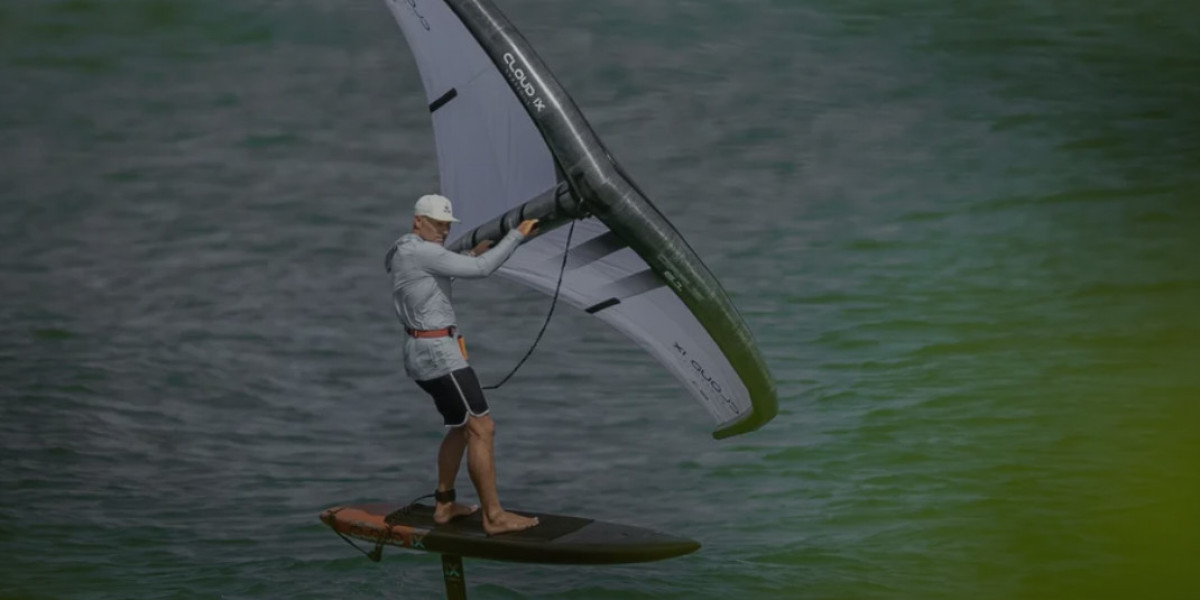

Wing foiling has quickly evolved into one of the most versatile and exciting water sports today. It combines the freedom of wind-powered riding with the smooth glide of hydrofoiling, allowing riders to fly above the water with minimal resistance. Whether you are a complete beginner or an experienced rider upgrading your gear, understanding the right wing foil setup is essential for smooth, stable, and enjoyable sessions.
This guide covers everything you need to know about choosing the best boards, wings, and foil setups. It also explains why components like a carbon hydrofoil mast matter and shares practical foil board stability tips to help you progress faster and ride with confidence.
What Is Wing Foiling?
Wing foiling is a wind-driven water sport where the rider holds an inflatable wing while standing on a board fitted with a hydrofoil underneath. As wind fills the wing, the foil lifts the board above the water, significantly reducing drag and creating a smooth gliding sensation.
Unlike traditional wind sports, wing foiling works in lighter wind, requires less space, and adapts easily to flat water, waves, and downwind conditions. This versatility has made wing foil riding popular among surfers, wind sport enthusiasts, and newcomers alike.
Choosing the Right Wing Foil Board
The board is the foundation of your wing foil setup. Selecting the right size and shape directly affects balance, takeoff, and overall control.
Board Volume and Size
Beginners should choose higher-volume boards for stability and easier starts
Intermediate riders can reduce volume to improve maneuverability
Advanced riders often prefer compact boards for speed and precision
A stable board allows riders to focus on wing handling and foil control rather than constant balance correction.
Board Shape Matters
Wide outlines offer better side-to-side stability, while shorter boards feel more responsive once airborne. Your weight, skill level, and riding conditions should guide your choice.
Understanding Wing Selection
The wing provides power and control. Choosing the correct wing size depends on rider weight, wind conditions, and riding style.
Wing Size Guidelines
Larger wings generate more power in light wind
Medium wings offer balanced performance for most conditions
Smaller wings suit strong wind and advanced riders
A properly sized wing improves upwind ability, reduces fatigue, and makes riding smoother and more efficient.
Hydrofoil Setup Explained
The hydrofoil is what lifts you above the water. It consists of a front wing, fuselage, rear wing, and mast. Each component affects performance differently.
Front Wing
Larger front wings provide early lift and stability
Smaller wings offer speed and agility
Rear Wing
Rear wings stabilize the foil and help control pitch, making rides smoother and more predictable.
Fuselage
The fuselage length affects balance and turning. Longer fuselages feel more stable, while shorter ones are more responsive.
Why a Carbon Hydrofoil Mast Is Worth It
One of the most important upgrades in any wing foil setup is switching to a carbon hydrofoil mast. While aluminum masts are common for beginners, carbon masts deliver noticeable performance improvements.
Benefits of a Carbon Hydrofoil Mast
Lighter weight for easier takeoff
Increased stiffness for better control
Reduced flex at higher speeds
Smoother ride with less vibration
For riders focused on progression, speed, or long-distance cruising, a carbon mast offers better efficiency and responsiveness in all conditions.
Foil Board Stability Tips for Better Control
Even with the best equipment, technique is critical. These foil board stability tips help riders maintain balance and control throughout the session.
1. Keep Your Weight Centered
Avoid leaning too far forward or back. A neutral stance keeps the foil flying smoothly.
2. Build Speed Gradually
Smooth acceleration allows the foil to lift steadily without sudden breaches.
3. Look Ahead
Keeping your eyes forward improves balance and helps anticipate changes in wind or water.
4. Adjust Foot Position
Small foot adjustments can significantly improve pitch control and comfort.
5. Practice in Stable Conditions
Flat water and steady wind are ideal for improving balance and confidence.
Applying these stability tips makes wing foiling safer, smoother, and more enjoyable.
Best Foil Setups for Different Skill Levels
Beginner Setup
High-volume board
Large front wing
Longer fuselage
Stable rear wing
Intermediate Setup
Medium-volume board
Balanced front wing
Carbon hydrofoil mast for better response
Advanced Setup
Compact board
Smaller, faster front wing
Shorter fuselage for maneuverability
Matching your setup to your skill level ensures faster progression and fewer frustrating sessions.
Wing Foiling in Different Conditions
Wing foiling adapts easily to various environments:
Flat Water
Best for learning, practicing transitions, and improving balance.
Waves
Allows riders to carve and glide smoothly with minimal effort.
Downwind
Efficient glide and control are essential. A stiff carbon hydrofoil mast improves tracking and stability.
Maintenance and Care
High-quality wing foil gear is designed for durability, but regular care extends its lifespan.
Basic Maintenance Tips
Rinse equipment with fresh water after each use
Check bolts and connections regularly
Store gear in a dry, shaded area
Inspect carbon components for damage
Proper care ensures long-term performance and safety.
FAQs
1. Is wing foiling suitable for beginners?
Yes, with the right board volume, stable foil setup, and proper technique, wing foiling is beginner-friendly and easy to learn.
2. Do I really need a carbon hydrofoil mast?
While not mandatory, a carbon hydrofoil mast offers better stiffness, lighter weight, and smoother control, making it a valuable upgrade for all riders.
3. How can I improve my balance while wing foiling?
Focus on neutral stance, controlled speed, proper foot placement, and follow proven foil board stability tips consistently.
Final Thought
Wing foiling offers a unique blend of freedom, efficiency, and smooth gliding that continues to attract riders worldwide. By choosing the right wing foil board, wing size, and foil setup—and upgrading to a carbon hydrofoil mast—you can dramatically improve performance and control. Combined with practical foil board stability tips, the right setup transforms every session into a smoother, more confident ride.
Whether you are just starting or refining advanced skills, the right gear and knowledge unlock the true potential of wing foiling.