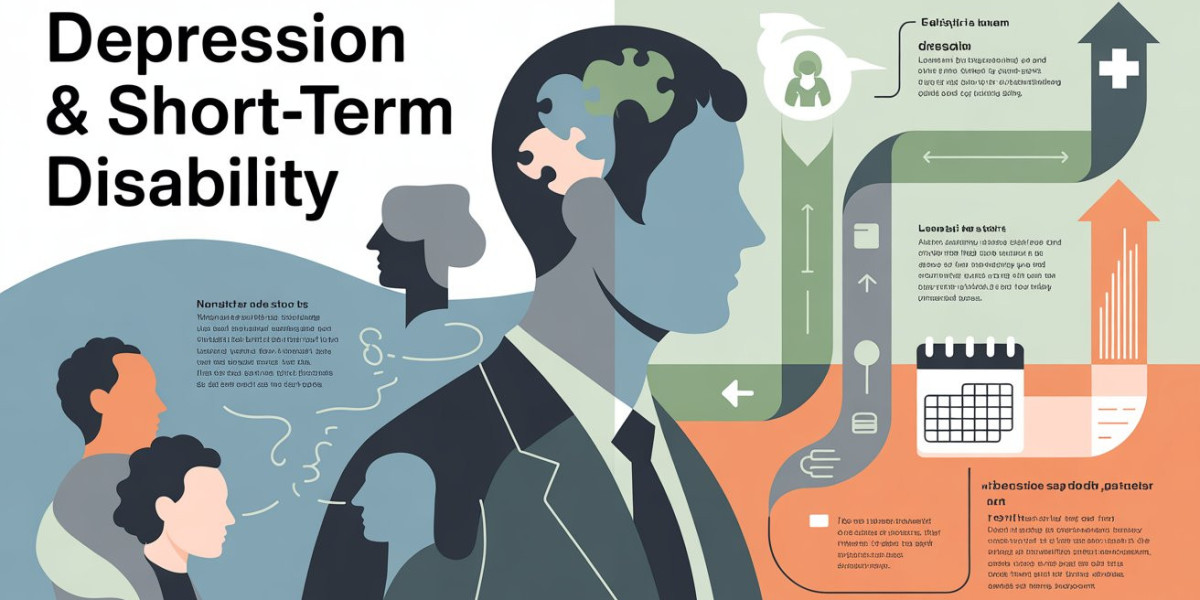
Depression is a mental health condition that affects millions of people worldwide. Its impact extends beyond emotional well-being, often interfering with daily responsibilities, work, and social life. In some cases, depression can become severe enough to warrant a temporary leave from work or other obligations. This is where depression and short term disability become relevant, providing a structured framework for individuals to prioritize recovery without facing undue financial or professional stress.
What is Short Term Disability?
Short term disability (STD) is a type of insurance or workplace benefit that offers temporary financial support to employees who are unable to work due to medical or psychological conditions. While many people associate STD with physical injuries, mental health conditions like depression are increasingly recognized as valid reasons for a short-term leave.
When depression reaches a level that significantly affects concentration, productivity, and daily functioning, applying for STD can provide the individual with the time and support needed to focus on recovery. This ensures that patients do not have to compromise their mental health for professional obligations.
The Link Between Depression and Short Term Disability
Depression can manifest in various ways, including persistent sadness, fatigue, loss of interest, and difficulty making decisions. For individuals in demanding work environments, these symptoms can become debilitating. In such cases, short term disability programs offer a lifeline, allowing patients to step back, receive medical care, and engage in therapeutic interventions without fear of losing their livelihood.
Healthcare professionals at rehabilitation centers often emphasize the importance of addressing both the medical and psychological aspects of depression. Structured therapy, medication management, and lifestyle interventions are crucial in facilitating recovery during the STD period. Programs that focus on holistic well-being help patients regain emotional balance and prepare to reintegrate into their work and social routines.
Benefits of Short Term Disability for Depression
Taking short term disability leave for depression provides multiple benefits:
Time for Recovery: Patients can dedicate focused time to therapy and medical appointments.
Reduced Stress: Financial support through STD alleviates concerns about income during the recovery period.
Structured Care: Rehabilitation centers offer programs tailored to patients on STD, including counseling, group therapy, and wellness strategies.
Work Reintegration Support: STD policies often include guidelines for gradual reintegration, ensuring a smoother transition back to work.
By combining medical treatment and supportive programs, depression and short term disability provide a safe space for individuals to heal without compromising their professional or personal responsibilities.
Rehabilitation Programs and Support
Medical rehabilitation centers play a critical role in managing depression during short term disability. These centers provide:
Individual Therapy: One-on-one sessions with trained psychologists help patients address underlying emotional challenges.
Group Therapy: Peer support fosters understanding, reduces isolation, and encourages shared coping strategies.
Medication Management: Psychiatrists monitor and adjust medications to alleviate symptoms effectively.
Lifestyle Counseling: Programs include guidance on exercise, nutrition, and stress reduction techniques.
Such comprehensive care ensures that patients recover effectively and are equipped with the tools to prevent relapse after returning to work.
The Role of Family and Social Support
Recovery from depression is often enhanced when patients have strong support networks. Family and friends play a vital role in providing encouragement, understanding, and accountability. Rehabilitation centers often involve family counseling sessions to educate loved ones about depression, short term disability, and ways to support recovery effectively.
This collaborative approach ensures that patients do not feel isolated during their recovery period, improving overall outcomes and emotional resilience.
Returning to Work After Short Term Disability
A gradual and supported reintegration into the workplace is crucial for sustaining mental health improvements. Short term disability programs often include flexible work schedules, reduced workloads, or phased returns to help patients adjust. Rehabilitation centers also provide relapse prevention strategies and coping mechanisms to manage workplace stress, ensuring long-term stability.
By the time patients complete their short term disability period, they are not only medically and psychologically ready but also better equipped to handle the challenges of professional life without compromising their well-being.
Taking the First Step
Acknowledging the need for help is the first step toward recovery. If depression has begun to interfere with daily life or work, discussing options like short term disability with a healthcare provider is essential. With proper medical care, therapy, and a supportive environment, patients can recover effectively while protecting their personal and professional responsibilities.
Depression and short term disability provide a structured approach to manage mental health challenges responsibly. By seeking help early, engaging in comprehensive rehabilitation programs, and leveraging support networks, individuals can regain balance, improve their quality of life, and return to their routines with renewed strength.