Vinyl Siding Cost to Install
Vinyl siding has become one of the most popular exterior cladding options for homes across the United States — and for good reasons. It’s durable, low-maintenance, comes in a wide variety of colors and textures, and, importantly, is often more affordable than many other siding materials. But how much does it actually cost to install vinyl siding? Let’s break down the key factors that influence cost, typical price ranges, and what homeowners should expect when planning their siding project.
What Is Vinyl Siding?
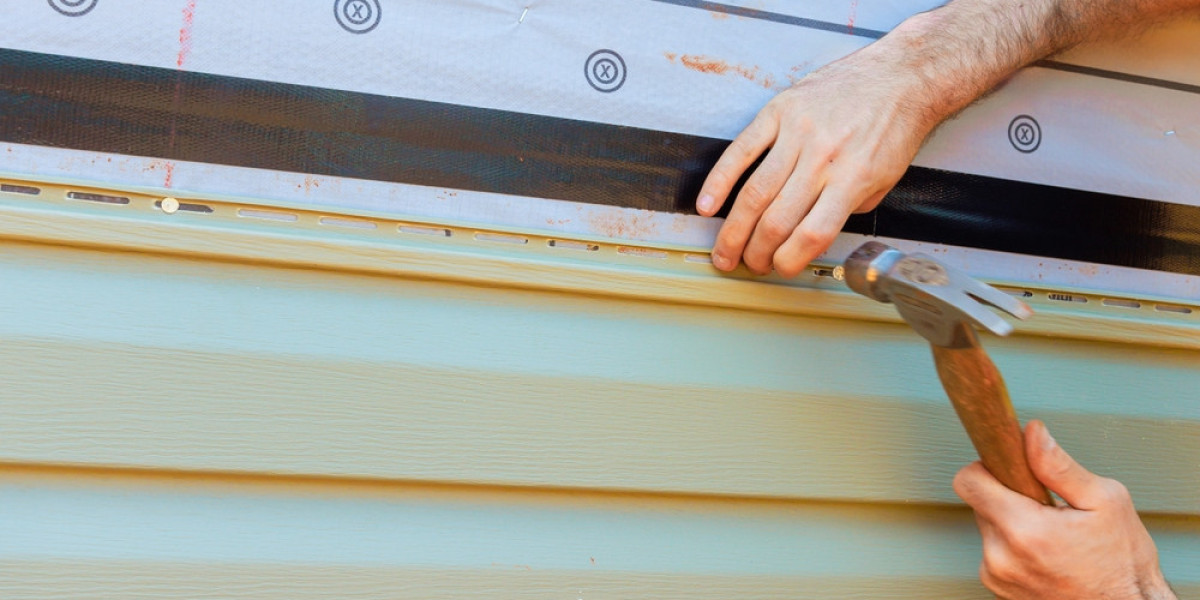
Vinyl siding is a type of plastic exterior siding made from polyvinyl chloride (PVC). It’s designed to mimic the appearance of traditional wood or aluminum siding without many of the maintenance drawbacks. Because it doesn’t require painting and resists moisture, insects, and fading, vinyl siding is a long-lasting choice for homeowners seeking a balance of performance and affordability.
Average Cost to Install Vinyl Siding
The cost to install vinyl siding varies based on several factors, but on average, you can expect:
Basic vinyl siding installation: Approximately $2.50 to $4.50 per square foot
Mid-range quality vinyl siding: Around $4.50 to $7.00 per square foot
Premium/insulated vinyl siding: Roughly $7.00 to $10.00+ per square foot
On average, for a typical home (about 1,500 to 2,000 square feet of siding), most homeowners pay between $8,000 and $16,000 for professional installation.
These figures include both materials and labor, but prices can vary significantly depending on your location and the complexity of the job.
Key Factors That Affect Vinyl Siding Cost
1. Siding Quality and Style
Not all vinyl siding is created equal:
Standard vinyl — Thinner panels with basic color options; lowest cost.
Double- or triple-layer siding — Thicker and more durable, often with wood-grain texture; mid-range.
Insulated vinyl siding — Includes foam backing that improves energy efficiency; highest cost but offers long-term savings on heating and cooling.
Higher quality materials cost more upfront but typically last longer and perform better.
2. Home Size and Shape
The larger your home’s exterior surface area, the more material and labor you need. A simple rectangular home is usually cheaper to cover than a home with many corners, gables, dormers, or architectural features — because complex shapes require more cutting, fitting, and trim work.
3. Removal of Old Siding
If your existing siding must be removed and disposed of before the new vinyl siding can be installed, this adds $1.00 to $2.50 per square foot to the project cost. In many cases, it’s necessary, especially if there is water damage or if insulation replacement is planned.
4. Insulation and Underlayment
Vinyl siding can be installed over your home’s existing sheathing, but adding insulation (like rigid foam board) increases energy efficiency and costs. Insulated siding can reduce utility bills over time, but adds $1.50 to $3.00 per square foot initially.
5. Trim, Flashing, and Accessories
Details like corner posts, window and door trim, soffit, fascia finishing, and proper flashing add to the overall cost—but are essential for a finished, weather-tight look.
6. Labor Costs in Your Area
Labor rates vary by region. Metropolitan areas with high demand for skilled contractors may have higher installation costs than rural areas. Always get multiple estimates from licensed contractors.
Cost Breakdown Example
Here’s a simplified cost estimate for a 1,800-square-foot home:
| Item | Typical Cost |
|---|---|
| Vinyl siding material (mid-range) | $6,500 |
| Labor | $4,000 |
| Removal of old siding | $1,500 |
| Insulation | $1,800 |
| Trim & details | $700 |
| Total Installed Cost | $14,500 |
Keep in mind that prices fluctuate based on material choice, contractor rates, and regional market changes.
Is Vinyl Siding Worth the Cost?
For most homeowners, vinyl siding offers excellent value. Here’s why:
Low maintenance – Unlike wood, vinyl never needs painting; a simple wash once or twice a year keeps it looking fresh.
Durability – Properly installed vinyl can last 20–40 years.
Energy savings – With insulated options, you can reduce heating and cooling costs.
Aesthetic options – A wide range of colors and textures fit both modern and traditional home styles.
Resale appeal – New siding boosts curb appeal and can increase a home’s resale value.
Tips for Saving on Installation Costs
Compare multiple quotes — Get at least three licensed contractor estimates.
Bundle work — If you’re also replacing windows or doing roofing work, ask about package pricing.
Choose durable mid-range products — Sometimes, the cheapest siding isn’t the most cost-effective in the long term.
Plan for off-season work — Contractors may offer discounts in slower months.
Final Thoughts
While the vinyl siding cost to install varies based on material quality, home size, labor rates, and optional upgrades, it remains one of the most cost-effective exterior cladding options available. With proper planning and quality installation, vinyl siding delivers lasting performance, improved home comfort, and strong curb appeal — making it a smart investment for many homeowners.