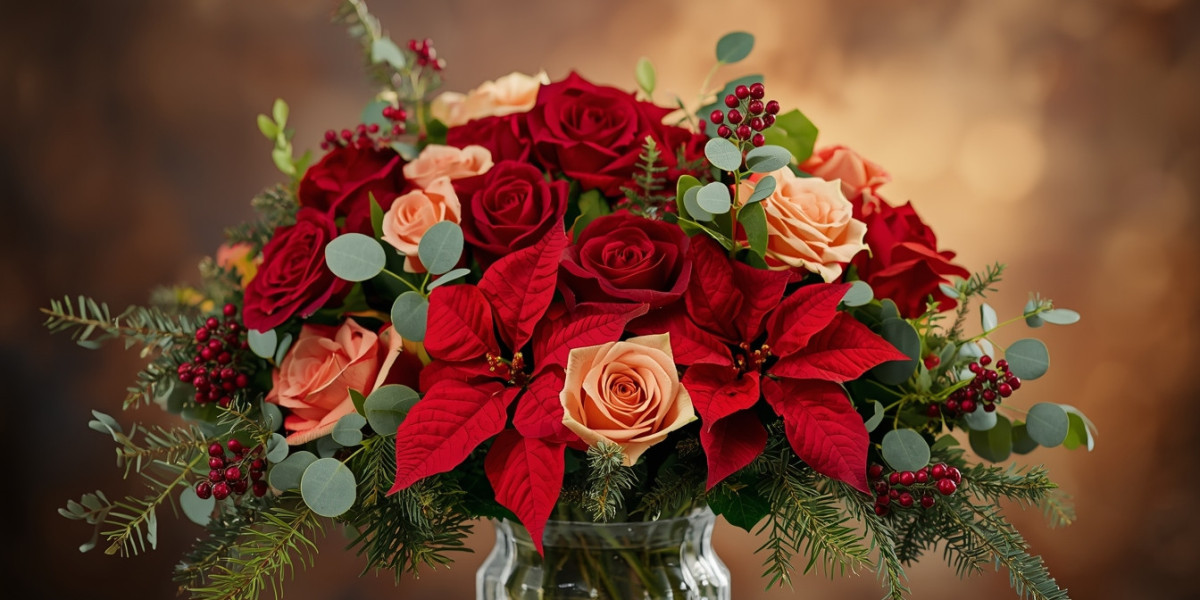

Valentine’s Day is one of the most emotionally driven celebrations of the year, and flowers remain its most enduring symbol. Long before gifts became elaborate or digital expressions took over, carefully chosen blooms were used to communicate affection, devotion, admiration, and even vulnerability. Selecting the right flowers is not about following trends blindly, but about understanding meaning, presentation, and emotional impact. When people search for the best flowers for valentine's day, they are usually looking for something deeper than a simple bouquet. They want to send a message that words alone cannot express.
This guide explores the most meaningful floral choices for Valentine’s Day, how to select blooms that align with your relationship, and how flowers can transform a simple gesture into a lasting memory.
Why Flowers Remain the Language of Love
Flowers have carried symbolic meaning for centuries. Across cultures and eras, lovers have relied on petals and fragrance to convey emotions that felt too intense or intimate to say aloud. Valentine’s Day continues this tradition, offering a moment when giving flowers feels natural, expected, and deeply personal.
What makes flowers so powerful is their ability to communicate on multiple levels. Color, type, arrangement style, and even scent contribute to the overall message. A thoughtfully chosen bouquet can feel intentional and emotionally intelligent, while a rushed choice may feel impersonal. Understanding this difference is what separates a good Valentine’s gesture from a memorable one.
Understanding Floral Symbolism for Romantic Gifting
Before choosing a bouquet, it helps to understand the meaning behind popular Valentine’s blooms. Floral symbolism, sometimes called floriography, allows you to tailor your gift to your relationship and intentions.
Roses and Their Emotional Spectrum
Roses are the most recognized romantic flower, but not all roses carry the same message.
Red roses symbolize deep love and passion. They are traditionally associated with long-term relationships and strong emotional bonds. Pink roses communicate admiration and tenderness, making them suitable for new relationships or gentle expressions of affection. White roses convey purity and sincerity, often chosen for meaningful but understated gestures. Lavender roses suggest enchantment and fascination, adding an element of intrigue.
Choosing the right rose color allows you to fine-tune the message without saying a word.
Tulips and Elegant Simplicity
Tulips represent perfect love and are admired for their clean lines and understated beauty. They are ideal for individuals who appreciate elegance over extravagance. Red tulips carry romantic meaning similar to roses, while pink and purple tulips express care, affection, and admiration.
Tulips also symbolize renewal, making them a thoughtful option for relationships that are growing or evolving.
Lilies and Refined Romance
Lilies are known for their dramatic presence and strong fragrance. They often symbolize devotion, respect, and emotional depth. White lilies suggest purity and commitment, while pink lilies express compassion and admiration. These blooms work well for partners who appreciate bold, expressive flowers with a touch of sophistication.
Orchids and Lasting Desire
Orchids are associated with luxury, strength, and lasting affection. Unlike traditional bouquets, orchids often come as potted plants, allowing them to last well beyond Valentine’s Day. They are an excellent choice for expressing enduring love, admiration, and emotional maturity.
Orchids appeal to those who value uniqueness and elegance over convention.
Matching Flowers to Relationship Stages
One of the most important considerations when choosing Valentine’s flowers is the stage of your relationship. The same bouquet can carry very different meanings depending on context.
New Relationships and Early Romance
In the early stages of dating, flowers should feel thoughtful but not overwhelming. Soft colors, mixed arrangements, or seasonal blooms communicate interest without pressure. The goal is to express affection while leaving room for the relationship to grow naturally.
Tulips, pink roses, or mixed spring flowers are often ideal for this phase.
Long Term Partnerships
Established relationships allow for deeper emotional expression. Rich colors, meaningful flower choices, and luxurious arrangements can reinforce commitment and shared history. Red roses, lilies, or customized bouquets that reflect personal memories work particularly well.
This is also an opportunity to elevate presentation, focusing on quality and detail.
Married Couples and Lifelong Bonds
For long-term partnerships, Valentine’s Day flowers often symbolize appreciation, gratitude, and enduring love. Orchids, elegant roses, or bespoke arrangements that reflect shared tastes can feel especially meaningful. The emphasis here is not on impressing, but on honoring the journey you share.
How Color Influences Emotional Impact
Color psychology plays a significant role in how flowers are perceived. Understanding this can help you choose blooms that resonate emotionally.
Red evokes passion and intensity. Pink suggests warmth, affection, and admiration. White represents sincerity and honesty. Purple conveys mystery and admiration, while yellow symbolizes joy and friendship.
Blending colors thoughtfully can create a layered emotional message, allowing you to express multiple feelings at once.
Seasonal Considerations and Flower Freshness
Valentine’s Day falls in February, which influences flower availability. Seasonal blooms tend to be fresher, more vibrant, and longer-lasting. While roses are available year-round, incorporating seasonal flowers can add uniqueness and texture to an arrangement.
Seasonal considerations also reflect thoughtfulness, showing that the bouquet was chosen with care rather than convenience.
Presentation and Arrangement Style Matter
The way flowers are arranged is just as important as the flowers themselves. A minimalist arrangement can feel modern and refined, while a lush bouquet may feel romantic and expressive.
Wrapped bouquets offer a casual, intimate feel. Vase arrangements feel polished and gift-ready. Potted plants suggest longevity and care. Choosing the right format depends on the recipient’s lifestyle and preferences.
The Emotional Experience of Receiving Flowers
Receiving flowers on Valentine’s Day is not just about aesthetics. It is about feeling seen, valued, and emotionally understood. A well-chosen bouquet can create a moment of genuine connection, reinforcing bonds and creating lasting memories.
Flowers have a sensory impact that goes beyond visual beauty. Their fragrance, texture, and presence in a space can influence mood and emotional well-being long after the day has passed.
Sustainability and Ethical Flower Choices
Modern gift-givers are increasingly mindful of sustainability. Choosing responsibly sourced flowers or arrangements that last longer aligns romance with values. Potted plants, locally sourced blooms, and minimal packaging all contribute to a more thoughtful Valentine’s gesture.
Sustainability does not diminish romance. In many cases, it enhances it by reflecting care not only for the recipient, but for the world you share.
Making Valentine’s Flowers Personal
Personalization transforms flowers from a traditional gift into a meaningful experience. This can include selecting blooms that hold personal significance, adding a handwritten note, or choosing colors that reflect shared memories.
Personal touches show emotional investment, which often matters more than the size or cost of the bouquet.
Frequently Asked Questions
How far in advance should Valentine’s flowers be planned
Planning a few days ahead allows for better selection and freshness. Early planning also reduces stress and ensures thoughtful choices.
Are non traditional flowers appropriate for Valentine’s Day
Absolutely. Many people appreciate unique blooms that reflect individuality. The key is choosing flowers with meaning and intention.
Do flower colors really matter
Yes. Colors influence emotional interpretation and can subtly communicate feelings. Choosing the right color enhances the message you want to send.
Can flowers be meaningful without being extravagant
Meaning comes from thoughtfulness, not size. A simple bouquet chosen with care often feels more personal than an extravagant but generic arrangement.
Final Thoughts on Choosing Romantic Flowers
Valentine’s Day flowers are more than a tradition. They are a form of emotional expression rooted in history, symbolism, and personal connection. The right flowers can speak volumes, conveying love, admiration, and commitment in a way few other gifts can match.
By understanding floral meaning, considering your relationship stage, and focusing on thoughtful presentation, you can transform a simple bouquet into a heartfelt expression that resonates long after Valentine’s Day has passed.