
The textile industry is undergoing a major shift driven by changing consumer behavior, sustainability demands, and rapid technological progress. Traditional textile printing methods that once dominated the market are now struggling to keep up with the need for speed, customization, and efficiency. As fashion cycles shorten and buyers expect more personalized products, textile brands must rethink how they produce and deliver fabric designs.
One technology that is reshaping the future of textiles is digital fabric printing. This modern printing approach allows brands to respond faster to trends, reduce production waste, and unlock creative possibilities that were previously difficult or expensive to achieve. Investing in digital printing technology is no longer an optional upgrade; it is becoming a strategic necessity for textile brands that want to stay competitive in a global market.
What Is Digital Printing in the Textile Industry
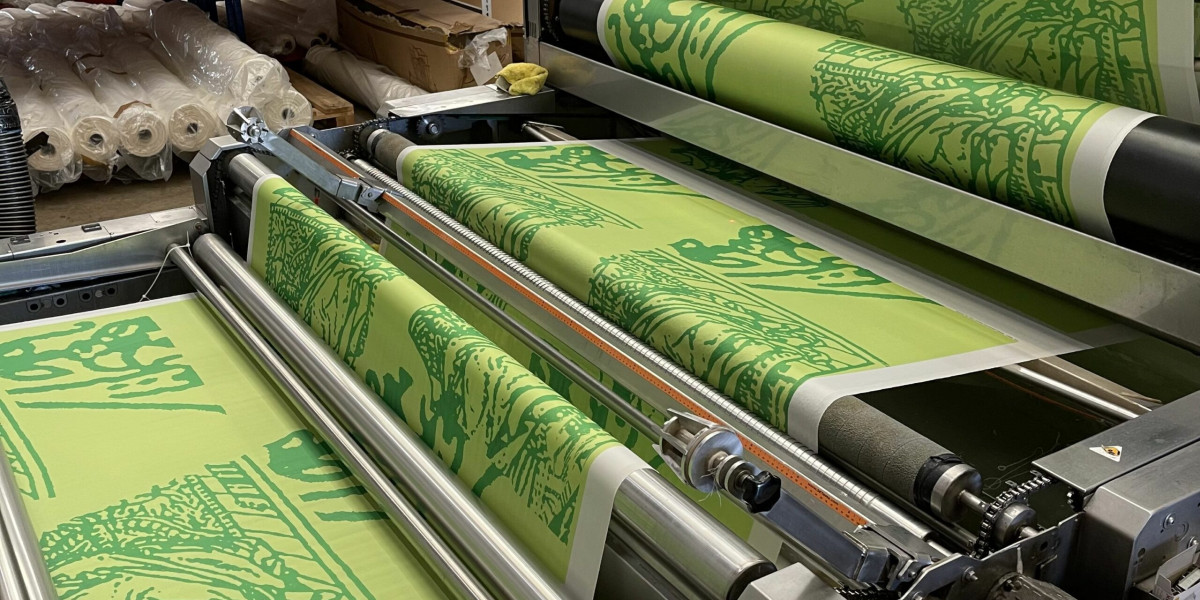
Digital textile printing is a process where designs are printed directly onto fabric using digital files, similar to how an inkjet printer works on paper. Unlike traditional methods such as screen printing or rotary printing, digital printing does not require physical screens or plates. This makes the entire workflow more flexible, faster, and cost-effective for short and medium production runs.
Digital fabric printing supports a wide range of fabrics, including cotton, silk, polyester, linen, and blended materials. With advanced ink technologies, brands can achieve sharp details, vibrant colors, and complex patterns without compromising fabric quality.
Faster Time to Market
Speed is one of the most critical factors in today’s textile and fashion industries. Trends emerge quickly and disappear just as fast. Traditional printing methods often involve lengthy setup times, sample approvals, and bulk production requirements, which slow down product launches.
Digital printing technology significantly reduces production lead times. Designs can be modified instantly, samples can be printed on demand, and full production can begin without delay. This allows textile brands to react quickly to market trends, seasonal demands, and customer feedback. Faster time to market means fewer missed opportunities and higher potential revenue.
Cost Efficiency for Short and Custom Runs
Traditional textile printing becomes cost-effective only at high volumes due to setup costs, screen preparation, and material waste. For small batches, test collections, or customized designs, these methods can be expensive and inefficient.
Digital fabric printing eliminates most setup costs, making it ideal for short runs and made-to-order production. Brands can print exactly what they need, when they need it. This reduces excess inventory, storage costs, and the risk of unsold stock. Over time, this cost efficiency directly improves profit margins.
Design Freedom and Creative Flexibility
Modern consumers value originality and unique designs. Digital printing gives designers complete creative freedom without technical limitations. Complex patterns, gradients, photographic images, and unlimited color combinations can be printed with high accuracy.
Unlike traditional printing, where each color requires a separate screen, digital printing handles multiple colors effortlessly. This encourages experimentation and innovation, allowing textile brands to differentiate themselves in a crowded market. Creative flexibility also supports collaboration with artists, designers, and influencers who want distinctive fabric designs.
Sustainable and Environmentally Responsible Production
Sustainability is no longer a trend; it is an expectation. Textile brands face increasing pressure from consumers, regulators, and global partners to reduce their environmental impact.
Digital fabric printing uses significantly less water, energy, and chemicals compared to conventional printing methods. There is minimal ink waste, no need for screens, and reduced fabric wastage due to precise printing. On-demand production also helps minimize overproduction, which is a major contributor to textile waste.
By investing in digital printing technology, textile brands can align their operations with sustainable practices and strengthen their brand reputation among eco-conscious consumers.
Improved Quality and Consistency
Consistency in color and print quality is crucial for maintaining brand standards. Digital printing systems offer precise color management and repeatability, ensuring that designs look the same across different production batches.
Advanced software controls allow for accurate color matching, sharp detailing, and uniform prints. This level of quality control is especially important for brands supplying international markets, where consistency builds trust and long-term partnerships.
Personalization and Customer-Centric Production
Personalization is becoming a key differentiator in the textile and fashion industries. Customers increasingly want products that reflect their individual tastes, whether it is custom patterns, limited editions, or personalized fabrics.
Digital fabric printing enables mass customization without increasing production complexity. Textile brands can offer personalized designs, region-specific patterns, or small exclusive collections without disrupting their manufacturing process. This customer-centric approach helps brands build stronger relationships and increase customer loyalty.
Reduced Inventory Risk
Holding large inventories is risky and expensive. Unsold stock leads to financial losses, markdowns, and waste. Digital printing supports a print-on-demand model, allowing brands to produce fabrics only after orders are confirmed.
This flexible production approach reduces inventory risk and improves cash flow. Brands can test new designs in small quantities before scaling up, making data-driven decisions instead of relying on forecasts alone.
Competitive Advantage in Global Markets
Global competition in the textile industry is intense. Brands that rely solely on traditional production methods may struggle to compete with agile, technology-driven players.
Investing in digital printing technology gives textile brands a strong competitive edge. It enables faster innovation, sustainable production, and the ability to meet diverse customer demands across different markets. Brands that adopt digital solutions early are better positioned to adapt to future industry changes.
Future-Proofing Textile Businesses
Technology continues to evolve, and digital textile printing systems are becoming more advanced, affordable, and versatile. Brands that invest now are better prepared for future developments such as smart textiles, AI-driven design processes, and integrated digital supply chains.
Digital printing is not just a production upgrade; it is a long-term investment in operational resilience and business growth.
FAQs
1. Why is digital printing better than traditional textile printing?
Digital printing offers faster production, lower setup costs, less waste, and greater design flexibility compared to traditional methods.
2. Is digital fabric printing suitable for large-scale production?
Yes, while it is ideal for short and medium runs, modern digital printing systems are increasingly capable of handling larger volumes efficiently.
3. How does digital printing support sustainability?
It uses less water, fewer chemicals, and reduces fabric waste through precise, on-demand printing.
4. Can digital printing be used on all types of fabrics?
Digital printing works on many fabrics including cotton, silk, polyester, and blends, depending on the ink and printer technology used.
5. Is investing in digital printing technology expensive?
Initial investment can be higher, but long-term savings from reduced waste, lower inventory costs, and faster production often outweigh the upfront expense.
Conclusion
The textile industry is at a turning point where efficiency, sustainability, and flexibility define success. Digital fabric printing addresses all these needs by offering faster production, lower costs for short runs, creative freedom, and environmentally responsible manufacturing.
For textile brands aiming to stay relevant and competitive, investing in digital printing technology is a strategic decision that supports innovation, reduces risk, and meets modern consumer expectations. As market demands continue to evolve, digital printing will play a central role in shaping the future of textile manufacturing.