
Precision machinery depends on absolute stability. Yet many industries struggle with positioning errors, vibration, and uneven load distribution caused by unsuitable bearing solutions. When equipment requires high rigidity and smooth rotation under complex loads, traditional bearings often fall short. This is where choosing the right cross roller bearing becomes critical for maintaining accuracy and operational reliability.
The Hidden Risks of Using Conventional Bearings in Precision Applications
In applications such as robotics, rotary tables, machine tools, and medical equipment, even minor deflection can lead to performance issues. Conventional bearings typically handle loads in limited directions, forcing designers to use multiple bearings to compensate. This increases assembly complexity and introduces alignment challenges.
Over time, these limitations result in reduced accuracy, accelerated wear, and frequent maintenance. For industries relying on repeatable precision, these issues directly affect product quality and productivity.
How Cross Roller Bearing Design Solves Load and Accuracy Problems
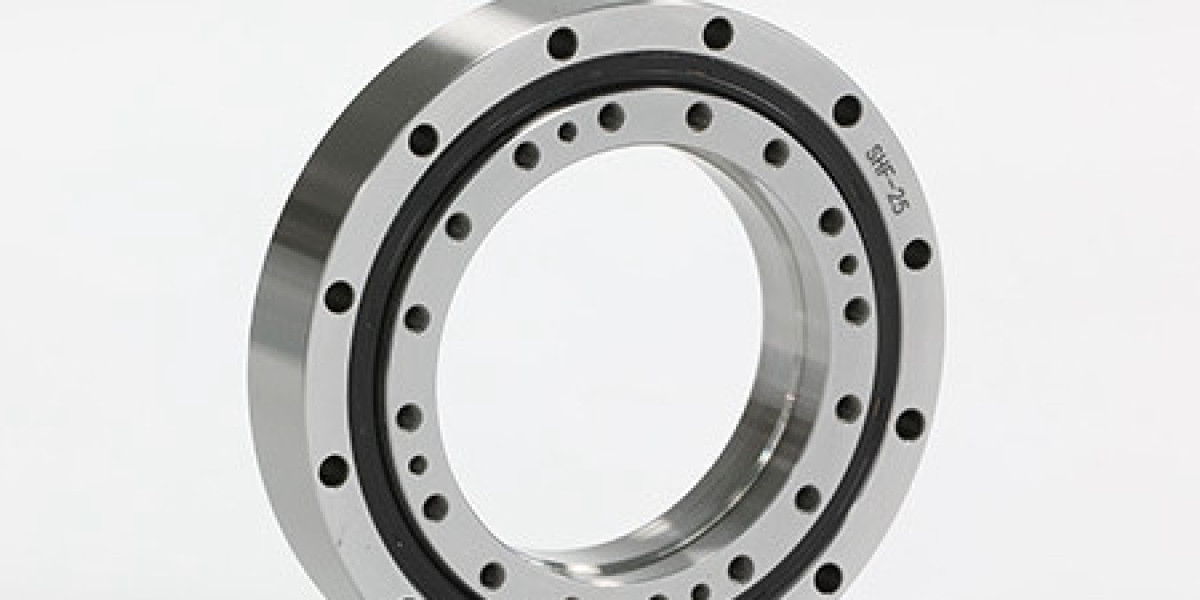
A cross roller bearing is engineered to handle radial, axial, and moment loads simultaneously within a compact structure. Its cylindrical rollers are arranged alternately at right angles, allowing loads to be evenly distributed across the raceways.
This unique configuration delivers exceptional rigidity and rotational accuracy. By minimizing elastic deformation under load, cross roller bearings maintain precise positioning even in demanding operating conditions.
Improved Rigidity Means Better Machine Performance
One of the biggest advantages of cross roller bearings is their high stiffness. Reduced deflection ensures consistent alignment between moving components, which is essential in precision motion systems.
Higher rigidity also minimizes vibration and improves dynamic performance. Machines operate more smoothly, noise levels decrease, and sensitive components experience less stress. This results in longer service life and improved overall system stability.
Compact Design That Simplifies Equipment Architecture
Space constraints are a common challenge in modern machine design. Cross roller bearings offer a compact solution by replacing multiple bearing arrangements with a single unit capable of handling multi-directional loads.
This streamlined design reduces assembly time, simplifies maintenance, and improves structural integrity. Engineers benefit from greater design flexibility without sacrificing performance or load capacity.
Material Quality and Manufacturing Accuracy Matter
Not all cross roller bearings deliver the same results. Precision grinding, surface finish quality, and heat treatment processes directly impact bearing performance. Poorly manufactured bearings may suffer from uneven load distribution, leading to premature failure.
High-quality cross roller bearing solutions are produced under strict quality control standards. This ensures smooth roller motion, consistent preload, and reliable long-term operation in high-precision environments.
Applications Where Cross Roller Bearings Make a Critical Difference
Cross roller bearings are widely used in rotary tables, industrial robots, semiconductor manufacturing equipment, aerospace systems, and medical imaging devices. In these applications, accuracy, rigidity, and reliability are non-negotiable.
By maintaining precise motion under complex loads, cross roller bearings help manufacturers achieve tighter tolerances, improved repeatability, and higher operational confidence.
Long-Term Cost Benefits of the Right Bearing Choice
While precision bearings may involve a higher initial investment, they significantly reduce total ownership costs. Lower maintenance requirements, fewer failures, and extended service life translate into predictable performance and reduced downtime.
For businesses focused on precision, efficiency, and long-term reliability, selecting the correct bearing solution is a strategic decision that protects both equipment and reputation.