
Natural henna has been used for centuries across cultures for body art, hair coloring, and traditional ceremonies. Its appeal lies in its plant-based origin and reputation as a safer alternative to chemical dyes. However, for individuals with certain medical conditions, especially Glucose-6-Phosphate Dehydrogenase (G6PD) deficiency, the question of safety becomes more complex. G6PD deficiency is a genetic condition that affects red blood cells and can lead to hemolytic anemia when exposed to specific triggers. Understanding how natural henna interacts with this condition is essential for making informed decisions, particularly for those interested in professional or personal henna use.
Understanding G6PD Deficiency and Its Sensitivities
G6PD deficiency is one of the most common enzyme disorders worldwide, affecting millions of people, particularly those of African, Middle Eastern, South Asian, and Mediterranean descent. The enzyme G6PD plays a crucial role in protecting red blood cells from oxidative damage. When individuals with this deficiency are exposed to certain foods, medications, or chemicals, their red blood cells can break down prematurely, leading to symptoms such as fatigue, jaundice, shortness of breath, and dark urine. Because triggers vary widely, even natural substances must be approached cautiously. This makes it important to evaluate whether plant-based products like henna pose any oxidative risk to susceptible individuals.
What Is Natural Henna and How Does It Work?
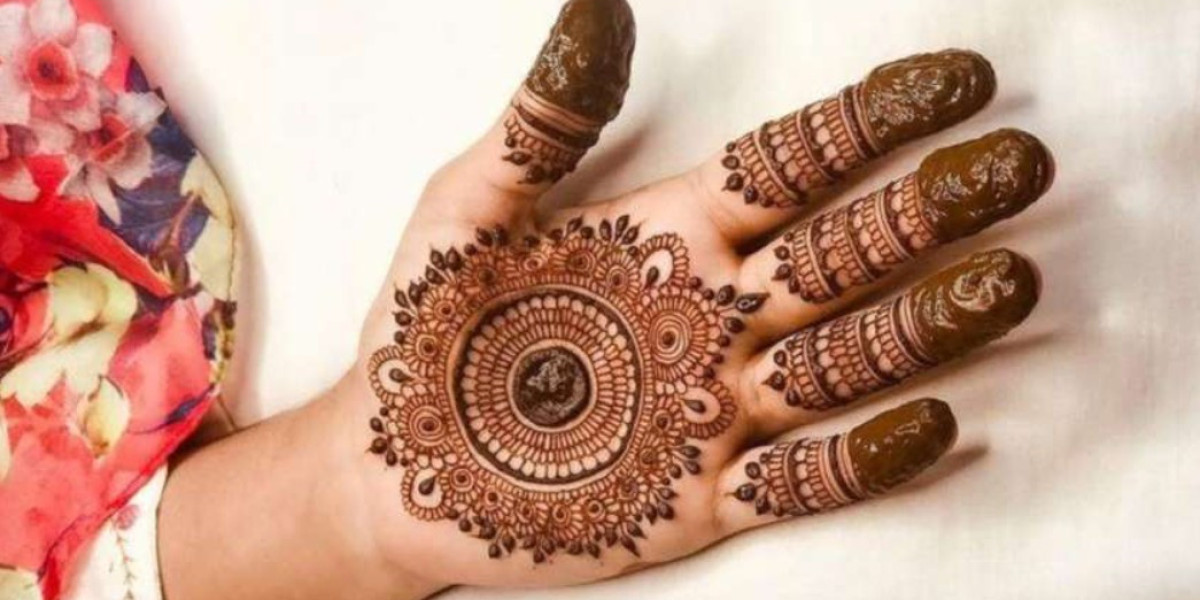
Natural henna is derived from the leaves of the Lawsonia inermis plant. When crushed and mixed with a mildly acidic liquid, it releases lawsone, the dye molecule that binds to keratin in skin, hair, and nails. This process creates the familiar reddish-brown stain associated with traditional henna. Pure henna is typically free from synthetic additives, which is why it is often considered safer than commercial hair dyes or “black henna” products. However, even natural compounds can have biological effects, especially when absorbed through the skin or used in large quantities. Understanding this mechanism is essential before assessing safety for individuals with G6PD deficiency.
Potential Risks of Henna for Individuals with G6PD Deficiency
Medical literature has documented rare but serious cases where henna exposure has been associated with hemolytic anemia in individuals with G6PD deficiency, particularly in infants. These cases often involve extensive skin application or prolonged exposure. The concern lies in henna’s potential oxidative properties, which may overwhelm the limited protective capacity of red blood cells in G6PD-deficient individuals. While adults may tolerate small amounts without noticeable effects, vulnerability can vary based on age, genetic variant, and overall health. This does not mean henna is universally unsafe, but it does highlight the need for caution and awareness rather than assuming all natural products are harmless.
Differences Between Pure Henna and Adulterated Henna Products
One critical distinction when discussing safety is the difference between pure, natural henna and adulterated or commercial henna products. Many products marketed as henna, especially black henna, contain para-phenylenediamine (PPD) or other chemical additives that significantly increase health risks. These substances are known to cause severe allergic reactions and are far more dangerous for individuals with G6PD deficiency. Pure henna, when sourced responsibly and tested for purity, carries fewer risks compared to these adulterated versions. Learning how to identify and prepare authentic henna is a key skill emphasized in professional education such as a Henna Course, where ingredient knowledge and safety standards are central topics.
Safe Practices for Henna Use with G6PD Deficiency
For individuals with G6PD deficiency who wish to use henna, precautionary measures are essential. Patch testing on a small area of skin and waiting 24 to 48 hours can help identify adverse reactions, although it may not fully eliminate systemic risk. Avoiding use on broken skin, limiting the area of application, and reducing exposure time can further lower potential complications. Consulting a healthcare professional before use is strongly recommended, particularly for children or those with a history of severe reactions. Education plays a major role here, and structured learning through a Henna Course can provide valuable guidance on client screening, contraindications, and responsible application methods.
Professional Responsibility and Client Awareness
For henna artists and beauty professionals, understanding medical contraindications is not optional; it is a professional responsibility. Clients may not always disclose underlying conditions like G6PD deficiency unless specifically asked. Ethical practice involves informed consent, clear communication about potential risks, and the ability to refuse service when safety is uncertain. Professional training helps artists navigate these situations with confidence and care. Courses such as a Henna Course Online often cover health and safety modules that go beyond design skills, ensuring practitioners are equipped to protect both themselves and their clients while maintaining professional standards.
Conclusion
Natural henna is deeply rooted in cultural tradition and is often perceived as a safe, plant-based alternative to chemical dyes. However, for individuals with G6PD deficiency, its use requires careful consideration. While pure henna may be tolerated in limited circumstances, documented risks, particularly with extensive application, cannot be ignored. The key lies in education, product purity, and informed decision-making.