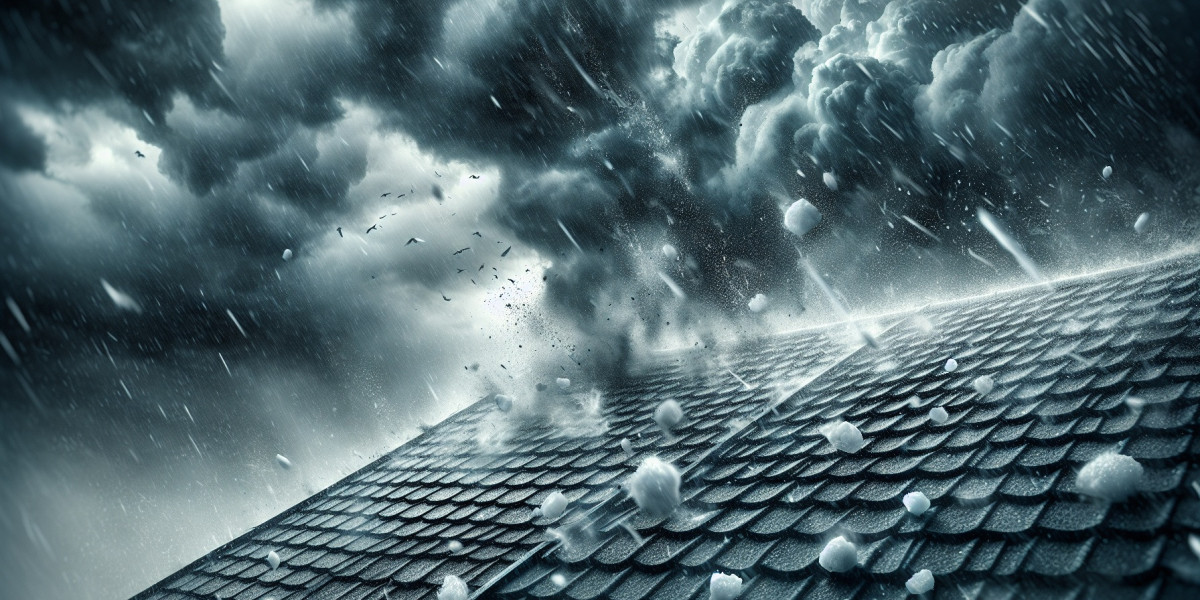

A roof with hail damage is one of the most common yet underestimated problems homeowners face after severe storms. Hailstorms can strike suddenly, leaving behind damage that isn’t always immediately visible. While some impacts may appear minor, untreated hail damage can shorten your roof’s lifespan, cause leaks, and lead to expensive structural repairs. Understanding how hail affects roofing systems and knowing the necessary steps to take afterward is crucial for protecting your home.
What Is a Roof With Hail Damage?
A roof with hail damage occurs when hailstones strike roofing materials with enough force to bruise, crack, or dislodge them. The damage severity depends on several factors, including hail size, wind speed, storm duration, and roof material. Asphalt shingles, metal panels, tiles, and wood shakes all respond differently to hail impacts.
Hail damage often compromises the protective outer layer of shingles, exposing the underlying mat to moisture and UV rays. Over time, this leads to deterioration that may not show immediate symptoms but eventually results in leaks and structural decay.
Why Hail Damage Is Dangerous for Your Roof
Many homeowners assume that if their roof isn’t leaking, it’s fine. However, a roof with hail damage can silently deteriorate. Bruised shingles lose granules that protect against sun exposure, accelerating aging. Cracked tiles allow water infiltration, and damaged flashing creates weak points around chimneys and vents.
Left untreated, hail damage can cause:
Water leaks and mold growth
Insulation damage
Rotting roof decking
Increased energy costs
Reduced home value
Common Signs of Roof With Hail Damage
Some hail damage is visible from the ground, while other signs require closer inspection. Common indicators include:
Dented or cracked shingles
Granules collecting in gutters or downspouts
Soft or spongy spots on shingles
Damaged flashing or vents
Ceiling stains or attic moisture
Even if these signs aren’t obvious, a roof with hail damage may still exist beneath the surface.
How Hail Size and Wind Affect Roofing
Hailstones don’t need to be baseball-sized to cause harm. Even small hail, when combined with strong winds, can damage roofing materials. Wind-driven hail often strikes at an angle, increasing impact force and affecting vulnerable roof areas such as edges, ridges, and valleys.
The faster the wind speed, the greater the likelihood that hail will compromise shingles, leading to a weakened roofing system.
Professional Inspection vs DIY Checks
While homeowners can perform basic visual checks, professional inspections are crucial for accurately diagnosing a roof with hail damage. Roofing professionals know how to identify bruising, granule loss, and structural weakening that untrained eyes may miss.
A professional inspection also provides documentation that can support insurance claims, ensuring the damage is properly recorded and evaluated.
Repair or Replace: What’s the Right Choice?
Whether to repair or replace a roof with hail damage depends on damage severity, roof age, and material type. Minor damage may only require targeted repairs, such as replacing individual shingles or resealing flashing.
However, widespread hail damage often necessitates full roof replacement, especially if:
Damage covers large sections
Shingles are significantly bruised
The roof is nearing the end of its lifespan
Replacing a heavily damaged roof ensures long-term protection and prevents recurring issues.
Insurance Claims for Roof With Hail Damage
Most homeowner insurance policies cover hail damage, but timely action is essential. After a storm:
Document visible damage with photos
Schedule a professional roof inspection
File an insurance claim promptly
Meet with the insurance adjuster
Proper documentation increases the likelihood of claim approval and fair compensation for repairs or replacement.
Long-Term Risks of Ignoring Hail Damage
Ignoring a roof with hail damage may save money initially but often leads to higher costs later. Small cracks can expand, moisture can penetrate deeper layers, and structural components can weaken. Over time, repairs become more complex and expensive.
Additionally, insurers may deny future claims if previous hail damage wasn’t addressed promptly.
Preventing Future Roof With Hail Damage
While hailstorms are unavoidable, homeowners can reduce future damage by:
Installing impact-resistant shingles
Scheduling regular roof inspections
Maintaining gutters and drainage
Reinforcing vulnerable roof areas
Proactive measures help extend roof life and minimize storm-related losses.
Final Thoughts
A roof with hail damage should never be ignored, even if the damage seems minor. Early detection, professional inspections, and timely repairs are essential for protecting your home’s structure, value, and safety. By understanding the risks and taking swift action after hailstorms, homeowners can avoid costly repairs and ensure their roofing system remains strong and reliable for years to come.