
Many AR devices fail to deliver a truly immersive experience. Users complain about a narrow field of view, blurry virtual images, heavy headsets, and poor image alignment. These problems often make AR glasses uncomfortable to wear and difficult to use for long periods.
In most cases, the issue is not the display or software—it is the optical module design. A Bird bath optical module is commonly used to fix these problems and improve overall AR performance.
What Is a Bird Bath Optical Module?
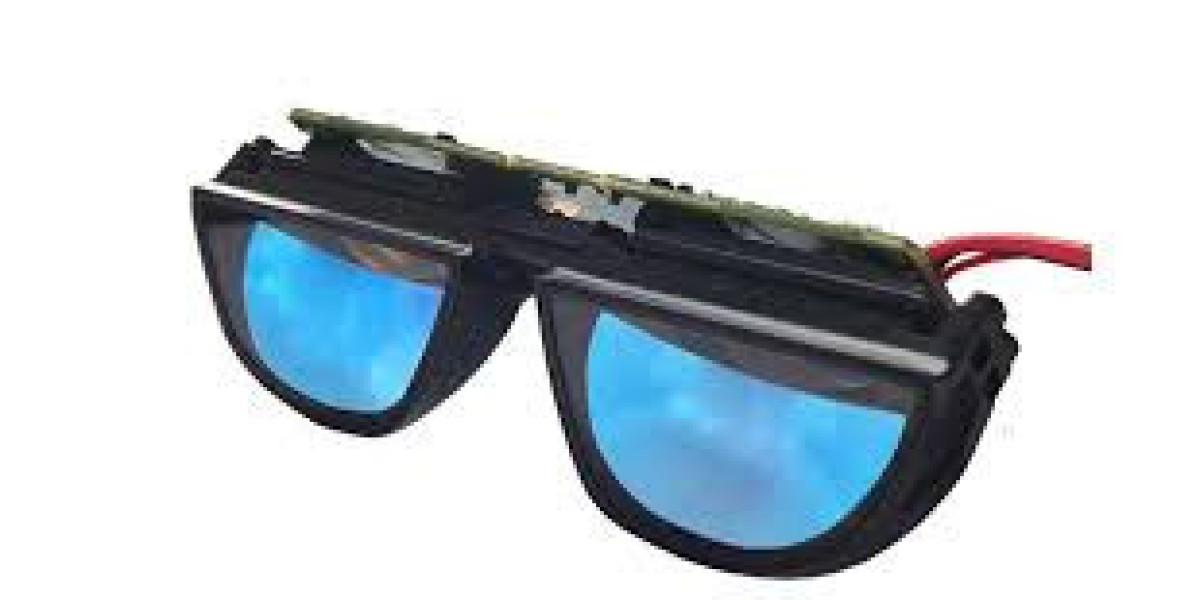
A Bird bath optical module is an optical system used in AR smart glasses and head-mounted displays. It uses a combination of a beam splitter and curved mirror to reflect virtual images into the user’s eyes while still allowing them to see the real world.
A well-designed Bird bath optical module balances brightness, clarity, and transparency, making it one of the most widely adopted optical solutions in AR devices.
Common Problems With Poor AR Optical Modules
Narrow Field of View
Low-quality optical modules limit how much virtual content users can see, breaking immersion.
Image Distortion and Blur
Poor alignment and low-grade optics cause virtual images to look unclear or misaligned.
Heavy and Bulky Design
Inefficient optical layouts increase size and weight, reducing wearing comfort.
Low Brightness in Outdoor Use
Weak optical efficiency makes AR content hard to see in bright environments.
How Bird Bath Optical Module Solves These Issues
Wider and Clearer Field of View
Bird bath optical modules are designed to expand the visible image area, improving immersion.
Better Image Clarity
High-quality reflective optics help maintain sharp and stable virtual images.
Balanced Transparency
Users can see both real-world surroundings and digital content clearly at the same time.
Improved Optical Efficiency
Optimized light paths increase brightness without increasing power consumption.
Why Bird Bath Optical Modules Are Popular in AR Devices
Mature and Reliable Technology
Bird bath optics are well-tested and widely used in commercial AR products.
Cost-Effective Solution
Compared to waveguide systems, bird bath modules offer strong performance at lower cost.
Easier System Integration
They work well with micro displays and compact projection engines.
Stable Image Performance
Once aligned correctly, bird bath modules deliver consistent visual output.
Where Bird Bath Optical Modules Are Commonly Used
AR Smart Glasses
Used in enterprise, industrial, and training AR glasses.
Head-Up Displays (HUDs)
Project clear information while maintaining real-world visibility.
Industrial AR Systems
Support hands-free guidance and data visualization.
Research and Prototype AR Devices
Ideal for testing and development due to simple structure.
In all these applications, choosing the right Bird bath optical module directly affects comfort, clarity, and user satisfaction.
Bird Bath Optical Module vs Other AR Optics
Compared to Waveguide Optics
Waveguides are thinner but costly and complex. Bird bath modules are bulkier but brighter and easier to manufacture.
Compared to Freeform Optics
Freeform optics are advanced but expensive. Bird bath optics offer a balanced and practical solution.
Final Thoughts
If your AR device suffers from limited field of view, image blur, or uncomfortable design, the optical module is likely the cause. A Bird bath optical module provides clearer visuals, better brightness, and reliable performance for AR systems. For many AR applications, it remains a practical and proven optical solution that balances quality, cost, and usability.