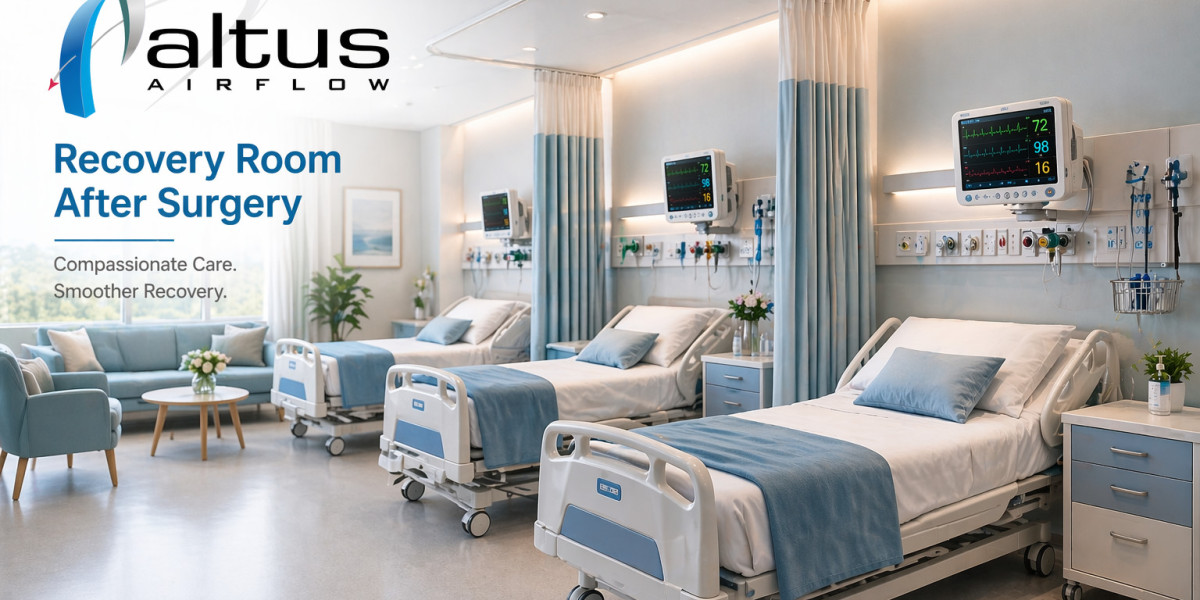

Introduction
A Recovery Room After Surgery is a specialized area where patients are closely observed immediately following a surgical procedure. The period after surgery is critical because patients are recovering from anesthesia and may be at risk of complications. Continuous monitoring allows healthcare professionals to assess recovery progress, detect potential issues early, and ensure a safe transition to a hospital ward or discharge.
Vital Sign Monitoring
One of the primary forms of monitoring in a recovery room is the observation of vital signs.
Healthcare professionals continuously track heart rate, blood pressure, respiratory rate, and body temperature. These measurements provide important information about a patient's overall condition and help identify any unexpected changes.
Regular monitoring supports timely medical intervention when necessary.
Oxygen Saturation Monitoring
Maintaining adequate oxygen levels is essential after surgery.
Pulse oximeters are used to measure oxygen saturation in the blood. This monitoring helps healthcare providers determine whether a patient is breathing effectively and receiving sufficient oxygen during recovery.
Prompt action can be taken if oxygen levels fall below normal ranges.
Cardiac Monitoring
Some patients require continuous heart monitoring after surgery.
Electrocardiogram (ECG) monitoring systems track heart rhythm and electrical activity. This is particularly important for patients with cardiac conditions or those who have undergone major surgical procedures.
Cardiac monitoring helps detect abnormalities at an early stage.
Respiratory Function Assessment
Breathing patterns are carefully observed during recovery.
Healthcare providers monitor respiratory rate, breathing effort, and airway stability. Patients recovering from anesthesia may require additional observation to ensure normal respiratory function is restored.
Proper respiratory monitoring enhances patient safety.
Recovery from Anesthesia Evaluation
Monitoring continues as the effects of anesthesia wear off.
Medical staff assess consciousness levels, alertness, responsiveness, and orientation. These evaluations help determine whether a patient is recovering normally from anesthesia.
The patient's ability to communicate and respond appropriately is also assessed.
Pain Assessment Monitoring
Pain management is an important part of post-operative care.
Healthcare professionals regularly evaluate pain levels using standardized assessment methods. Based on these evaluations, medications or other treatments may be adjusted to improve patient comfort.
Effective pain monitoring contributes to a smoother recovery.
Surgical Site Observation
The surgical area is monitored for signs of complications.
Healthcare providers check dressings, observe for excessive bleeding, swelling, or unusual drainage, and assess wound condition. Early detection of problems helps prevent further complications.
Intravenous Therapy Monitoring
Many patients continue receiving medications and fluids through IV lines.
Nurses monitor infusion rates, medication delivery, and IV site conditions to ensure treatments are administered safely and effectively.
Proper supervision reduces the risk of complications related to intravenous therapy.
Monitoring for Post-Operative Complications
Recovery room staff remain alert for potential complications.
Patients are observed for nausea, vomiting, allergic reactions, breathing difficulties, abnormal blood pressure, infection indicators, and other post-surgical concerns. Early recognition allows immediate treatment when required.
Continuous Nursing Observation
In addition to medical equipment, direct observation by trained nurses is essential.
Healthcare professionals regularly assess patient comfort, mobility, mental status, and overall recovery progress. This personal observation complements electronic monitoring systems.
Conclusion
Monitoring in a recovery room after surgery involves continuous assessment of vital signs, oxygen levels, heart function, respiratory status, pain levels, anesthesia recovery, and potential complications. These monitoring practices help healthcare teams ensure patient safety, provide timely interventions, and support a smooth recovery process following surgery.
FAQs
1. What monitoring is provided in a Recovery Room After Surgery?
A Recovery Room After Surgery provides monitoring of vital signs, oxygen saturation, heart rhythm, respiratory function, pain levels, anesthesia recovery, and post-operative complications.
2. Why is oxygen monitoring important after surgery?
It helps ensure that patients are breathing properly and receiving adequate oxygen during recovery.
3. How are patients monitored after anesthesia?
Healthcare professionals assess alertness, responsiveness, breathing, and overall recovery from anesthesia.
4. Is pain monitored in the recovery room?
Yes, nurses regularly assess pain levels and provide appropriate treatment when necessary.
5. What complications are healthcare providers watching for?
Common concerns include bleeding, breathing difficulties, abnormal heart rhythms, nausea, and allergic reactions.