
Factors Affecting Graft Survival in Hair Transplant Procedures in Riyadh
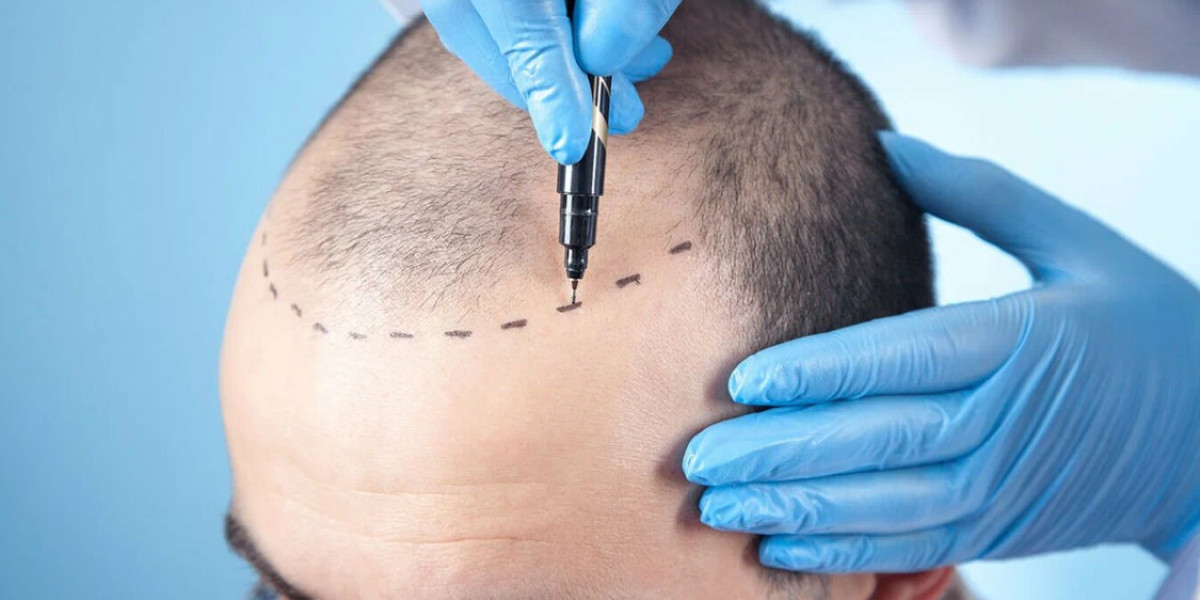
Graft survival is one of the most critical factors determining the success of a hair transplant. In Riyadh, where advanced procedures such as FUE (Follicular Unit Extraction) and FUT (Follicular Unit Transplantation) are widely performed, achieving a high graft survival rate is essential for natural, dense, and long-lasting results.
Understanding the factors affecting graft survival in Riyadh hair transplant procedures helps patients make informed decisions and follow proper care routines to maximize outcomes. Hair transplant in Riyadh is a popular option for people seeking a long-term solution to hair loss and improved confidence.
What Is Graft Survival?
Graft survival refers to the percentage of transplanted hair follicles that successfully take root, survive, and grow new hair after being implanted into the recipient area.
In simple terms:
- High survival rate = better density and fuller results
- Low survival rate = patchy or weak growth
In modern Riyadh clinics, graft survival rates are typically very high when procedures are done correctly, often exceeding 85–95% under ideal conditions.
1. Surgeon Skill and Experience
The most important factor influencing graft survival is the expertise of the surgeon and medical team.
Why it matters:
- Proper extraction prevents follicle damage
- Correct handling ensures grafts stay viable
- Accurate implantation improves blood supply access
- Proper angling increases natural growth direction
Inexperienced handling can lead to:
- Damaged follicles
- Reduced survival rate
- Poor density and uneven results
In Riyadh, highly experienced clinics prioritize precision at every stage to protect graft viability.
2. Time Outside the Body (Ischemia Time)
Grafts are extremely sensitive once removed from the donor area.
Key concept:
- The shorter the time outside the body, the higher the survival rate
Risks of delay:
- Dehydration of follicles
- Reduced oxygen supply
- Cell damage
Best practice in Riyadh clinics:
- Grafts are implanted as quickly as possible
- Controlled storage solutions are used
- Teams work in synchronized stages to minimize delay
3. Handling and Storage of Grafts
Proper graft handling is essential during extraction and implantation.
Factors affecting survival:
- Excessive force during extraction
- Drying out of grafts
- Improper temperature storage
- Rough implantation techniques
Protective measures:
- Use of sterile saline solutions
- Temperature-controlled environments
- Gentle handling instruments
Well-established clinics in Riyadh follow strict protocols to maintain graft viability.
4. Extraction Technique (FUE vs FUT)
The method used also impacts graft survival.
FUE (Follicular Unit Extraction):
- Individual follicle extraction
- Lower trauma when performed correctly
- High survival with skilled execution
FUT (Follicular Unit Transplantation):
- Strip-based extraction
- Follicles dissected under microscope
- Often yields slightly higher survival rates due to less external exposure
Comparison:
- Both methods can achieve high survival rates
- Skill is more important than technique alone
5. Recipient Area Preparation
The way the recipient area is prepared affects how well grafts take root.
Important factors:
- Proper channel creation
- Correct depth and angle
- Adequate spacing for blood supply
- Avoiding overcrowding
Poor preparation can lead to:
- Reduced blood circulation
- Graft competition for nutrients
- Lower survival rates
Surgeons in Riyadh carefully design implantation patterns for optimal results.
6. Blood Supply and Scalp Health
Healthy blood circulation is essential for graft survival.
Influencing factors:
- Scalp condition (healthy vs scarred tissue)
- Smoking habits
- Underlying medical conditions (e.g., diabetes)
- Vascular health
Good blood supply ensures:
- Faster healing
- Better nutrient delivery
- Stronger follicle growth
Patients with good scalp health generally achieve better outcomes.
7. Patient Aftercare and Compliance
Post-operative care is one of the most important determinants of graft survival.
Critical aftercare factors:
- Avoiding touching or scratching scalp
- Proper washing techniques
- Following medication schedule
- Sleeping with head elevated
- Avoiding sun exposure
Common mistakes that reduce survival:
- Picking scabs too early
- Returning to gym too soon
- Smoking after surgery
- Ignoring clinic instructions
In Riyadh, clinics provide detailed aftercare instructions to protect grafts during the critical healing phase.
8. First 10–14 Days After Surgery
The initial two weeks are the most important period for graft survival.
What happens:
- Grafts anchor into the scalp
- Blood supply begins forming
- Scabs naturally develop and fall off
Risks during this stage:
- Physical trauma
- Infection
- Excessive sweating
- Improper washing
Proper care during this period significantly improves final results.
9. Patient Health and Lifestyle
Overall health directly affects healing and graft success.
Negative factors:
- Smoking
- Poor nutrition
- Alcohol consumption
- Chronic stress
- Sleep deprivation
Positive factors:
- Balanced diet
- Good hydration
- Regular sleep
- Stress management
Healthy patients typically experience better graft survival and faster recovery.
10. Technique of Implantation (Manual vs DHI Tools)
The implantation method also plays a role.
Manual implantation:
- Requires precision and skill
- Common in FUE procedures
DHI (Direct Hair Implantation):
- Uses implanter pens
- Reduces graft handling time
- May improve survival in experienced hands
In Riyadh, both methods are used depending on clinic expertise and case requirements.
11. Infection and Inflammation Control
Post-surgical infections can reduce graft survival.
Prevention measures:
- Antibiotics prescribed after surgery
- Sterile surgical environment
- Proper wound care
- Avoiding contamination
Risks if infection occurs:
- Graft damage
- Poor healing
- Reduced density
Modern Riyadh clinics maintain strict hygiene standards to minimize these risks.
12. Individual Biological Factors
Every patient responds differently to transplantation.
Influencing biological factors:
- Genetic hair characteristics
- Skin type
- Immune response
- Healing speed
These factors explain why results may vary even under similar surgical conditions.
Role of PRP in Improving Graft Survival
Many clinics in Riyadh use PRP (Platelet-Rich Plasma) to enhance survival rates.
Benefits include:
- Improved blood circulation
- Faster healing
- Stronger follicle activation
- Reduced shock loss
PRP is often used before, during, or after transplantation.
Final Thoughts
Graft survival is the foundation of successful hair transplant outcomes in Riyadh. It is influenced by a combination of surgeon expertise, technique, graft handling, patient health, and post-operative care.