
Hair Transplant for Scar Coverage on the Scalp
Scalp scars can be a frustrating cosmetic concern, especially when they are visible through thinning hair or sit in exposed areas of the head. These scars may result from injuries, burns, previous surgeries, or old FUT hair transplant procedures. Fortunately, modern hair restoration techniques can effectively improve the appearance of scalp scars and, in many cases, make them far less noticeable.
Hair transplant in Buraydah is becoming an increasingly popular option for people seeking a long-term solution to hair loss.
For patients considering treatment in Buraydah, hair transplant for scar coverage is a specialized procedure that requires careful planning, as scar tissue behaves differently from normal scalp skin.
What Causes Scalp Scars?
Scalp scars form when the skin is damaged deeply enough that normal hair follicles are destroyed and replaced with fibrous tissue.
Common causes include:
- Accidents or trauma to the scalp
- Burn injuries
- Surgical procedures (stitches or incisions)
- Previous FUT hair transplant strip scars
- Skin infections or inflammatory conditions
Unlike normal skin, scar tissue has reduced blood supply, which makes hair growth more challenging.
Can Hair Transplant Cover Scars?
Yes, a hair transplant can significantly improve the appearance of scars by implanting healthy hair follicles directly into the scar tissue. While results vary depending on scar type, many patients experience noticeable camouflage and improved aesthetics.
However, it is important to understand that:
- Scar tissue does not behave like normal scalp skin
- Hair growth may be slightly lower in scarred areas
- Multiple sessions may be required for best coverage
The goal is usually camouflage, not complete restoration of original density.
How Hair Transplant Works for Scar Coverage
The procedure involves transplanting healthy follicles from a donor area (usually the back or sides of the scalp) into the scarred region.
Steps include:
- Evaluation of scar type and size
- Assessment of donor hair availability
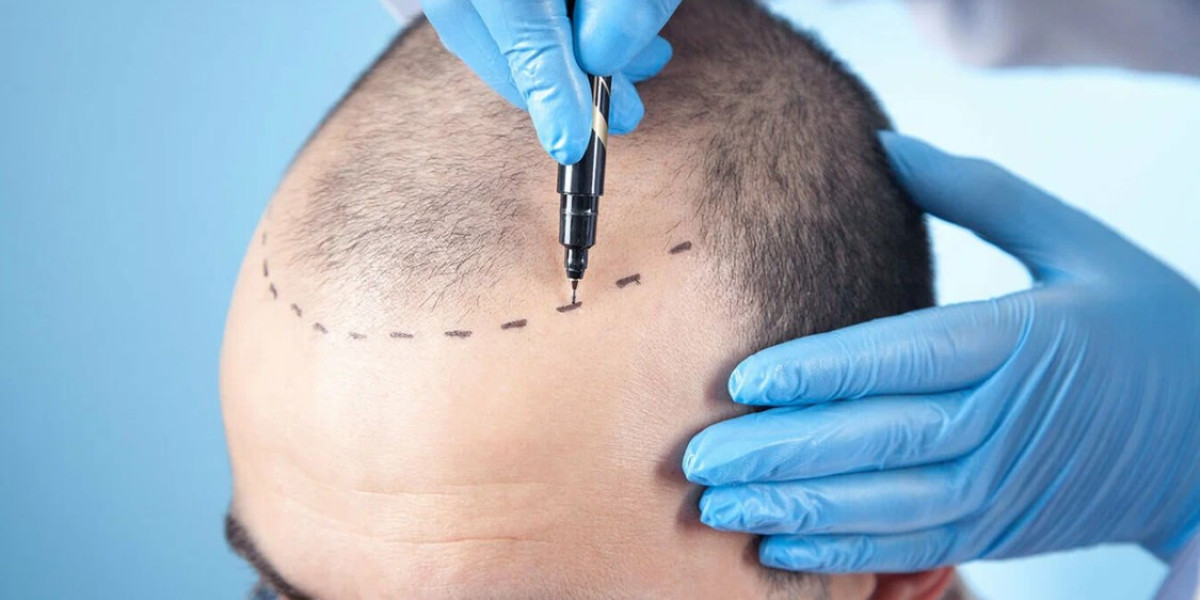
- Designing a natural coverage plan
- Extraction of grafts (FUE or FUT)
- Implantation into scar tissue
- Post-operative healing and follow-up
The placement must be highly precise to achieve a natural blend with surrounding hair.
Best Techniques for Scar Hair Transplant
1. FUE (Follicular Unit Extraction)
FUE Hair Transplant is the most commonly used method for scar coverage.
Advantages:
- Minimal trauma to surrounding skin
- No additional linear scarring
- Precise placement of individual grafts
- Suitable for small to medium scars
FUE is often preferred because it allows controlled implantation into uneven scar tissue.
2. FUT (Follicular Unit Transplantation)
FUT Hair Transplant may be used in cases requiring a large number of grafts.
Advantages:
- High graft yield
- Cost-effective for larger coverage areas
However, it may not be ideal for treating scars directly but can help when combined with other methods.
3. DHI (Direct Hair Implantation)
DHI Hair Transplant is useful for precise scar correction.
Advantages:
- Better control of angle and depth
- High precision in difficult scar areas
- Improved density blending
DHI is especially effective for visible or irregular scars.
Challenges of Hair Transplant on Scar Tissue
Scar tissue is different from normal scalp skin, which creates unique challenges:
1. Reduced Blood Supply
Scar tissue has limited circulation, which can affect graft survival.
2. Uneven Skin Texture
Scars may be raised, sunken, or irregular, making implantation more complex.
3. Lower Graft Survival Rate
Compared to normal scalp areas, fewer transplanted follicles may fully grow.
4. Need for Higher Precision
Incorrect angle or depth placement can result in unnatural appearance.
Ideal Candidates for Scar Hair Transplant
You may be a good candidate if you have:
- Stable, mature scars (at least 6–12 months old)
- Good donor hair density
- Realistic expectations about density improvement
- Healthy scalp surrounding the scar
Fresh or actively healing scars are usually not treated immediately.
Types of Scars That Can Be Treated
Hair transplant can improve the appearance of:
- Linear surgical scars (including FUT donor scars)
- Burn scars
- Trauma-related scars
- Accident or injury scars
- Old acne or infection-related scalp scars (in some cases)
Each type requires a customized approach.
Procedure Overview
A typical scar coverage transplant includes:
- Detailed scar evaluation
- Test grafting (sometimes done first)
- Donor area extraction
- Careful implantation into scar tissue
- Post-operative healing and monitoring
The procedure is usually performed under local anesthesia.
Healing and Recovery
First 1–2 weeks:
- Mild redness and scabbing
- Careful washing required
- Avoid scratching or pressure
Weeks 2–4:
- Shedding of transplanted hair (normal phase)
Months 3–6:
- Early regrowth begins
Months 6–12:
- Final blending and visible improvement
Scar areas may take slightly longer to show full results compared to normal scalp.
Expected Results
Hair transplant for scar coverage can:
- Reduce visibility of scars
- Improve hair density around affected areas
- Blend scar tissue with surrounding hair
- Enhance overall scalp appearance
However, complete elimination of scars is not always possible.
Factors Affecting Success
Several factors influence the outcome:
- Type and thickness of scar tissue
- Blood supply in the area
- Surgeon’s experience
- Technique used (FUE, FUT, DHI)
- Patient’s healing ability
- Donor hair quality
Proper planning is essential for natural-looking results.
Additional Treatment Options
In some cases, combination treatments improve results:
- PRP therapy to enhance blood flow
- Microneedling to improve skin texture
- Topical treatments for scalp health
- Multiple transplant sessions for density buildup
Risks and Limitations
While generally safe, patients should understand limitations:
- Lower graft survival in dense scar tissue
- Possible need for touch-up sessions
- Uneven growth in some cases
- Results depend heavily on scar condition
Conclusion
Hair transplant for scar coverage is an effective cosmetic solution for improving the appearance of scalp scars. While it cannot completely erase scar tissue, it can significantly reduce its visibility and create a more natural hair pattern.
For patients in Buraydah, the success of scar restoration depends on proper evaluation, choosing the right technique, and having realistic expectations.