
Skin Care Routine After Mole Removal in Riyadh
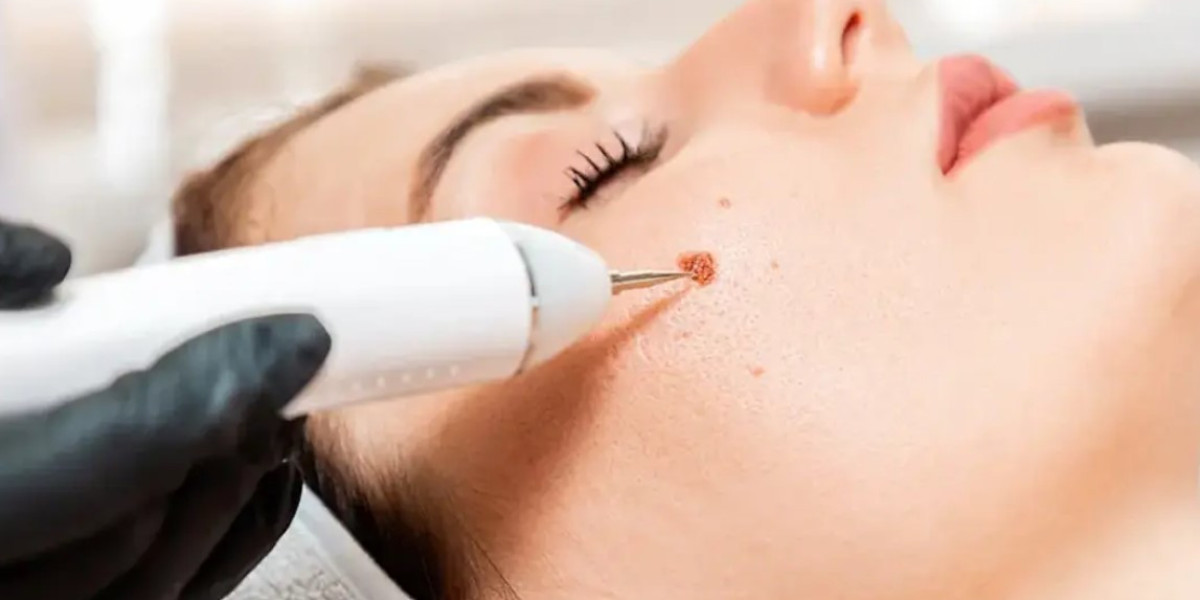
A proper skin care routine after mole removal in Riyadh is essential for smooth healing, minimal scarring, and good cosmetic results. Because the skin is temporarily sensitive after procedures like laser removal, radiofrequency, shave excision, or surgical excision, aftercare plays a major role in how quickly and cleanly the area heals.
In Riyadh’s hot and sunny climate, post-procedure skin care becomes even more important due to higher risks of pigmentation changes and delayed healing if the skin is not protected properly. Mole Removal in Riyadh is a common cosmetic and medical procedure used to safely remove unwanted or suspicious skin moles with modern dermatological techniques.
Understanding the Healing Phase After Mole Removal
After mole removal, the skin goes through a natural repair process:
- First stage (0–3 days): Redness, mild swelling, and sensitivity
- Second stage (3–10 days): Scab formation and tissue repair
- Third stage (1–4 weeks): New skin regeneration and fading of marks
- Final stage (1–3 months): Skin color and texture gradually normalize
A good skincare routine supports each stage and reduces complications.
1. First 24–48 Hours: Immediate Care Phase
This is the most sensitive period after mole removal.
Key steps:
- Keep the area clean and dry
- Do not touch or scratch the treated site
- Follow dermatologist instructions strictly
- Apply prescribed antibiotic or healing ointment
- Keep dressing (if applied) intact
What to avoid:
- Washing the area excessively
- Using cosmetic products
- Exposing the area to heat or sun
At this stage, protection is more important than active skincare.
2. Cleaning Routine (After Initial Healing Starts)
Once the dermatologist allows cleaning, usually after 24–48 hours:
How to clean safely:
- Use mild, fragrance-free cleanser or saline solution
- Gently pat dry with clean tissue
- Avoid rubbing or scrubbing
- Wash hands before touching the area
Frequency:
- Once or twice daily depending on doctor advice
Proper cleaning prevents infection and supports faster healing.
3. Moisturizing and Wound Protection
Keeping the skin hydrated helps reduce scarring and supports regeneration.
Recommended approach:
- Apply thin layer of prescribed healing ointment
- Use petroleum jelly-based products if advised
- Keep the area slightly moist, not dry or cracked
Benefits:
- Reduces scab hardness
- Prevents excessive itching
- Supports smoother skin repair
Over-moisturizing should be avoided as it may slow healing.
4. Scab Care: Do’s and Don’ts
Scab formation is a normal part of healing after mole removal.
Do:
- Let the scab fall off naturally
- Keep it clean and protected
- Apply ointment as instructed
Don’t:
- Pick or scratch the scab
- Peel it prematurely
- Cover tightly unless advised
In Riyadh dermatology clinics, scab protection is strongly emphasized because premature removal increases scarring risk.
5. Sun Protection (Most Important Step in Riyadh)
Due to strong UV exposure, sun protection is critical after mole removal.
Why it matters:
- Prevents dark pigmentation (hyperpigmentation)
- Protects newly healing skin
- Reduces scar visibility
Protection methods:
- Use broad-spectrum sunscreen once skin is closed
- Wear hats or protective clothing outdoors
- Avoid direct sunlight during peak hours (10 AM–4 PM)
- Reapply sunscreen regularly
Sun exposure is one of the main reasons for uneven healing in Riyadh.
6. Makeup and Cosmetic Products
After facial mole removal, skincare and makeup must be carefully managed.
When to avoid makeup:
- Until the wound is fully closed
- When scabs are still present
- If redness or sensitivity is ongoing
Safe reintroduction:
- Start only after dermatologist approval
- Use non-comedogenic, gentle products
- Remove makeup carefully without rubbing
Applying makeup too early can lead to infection or pigmentation issues.
7. Managing Itching and Discomfort
Mild itching is common during healing.
Safe ways to manage:
- Apply moisturizing ointment as prescribed
- Light tapping around the area (not scratching)
- Cold compress if advised by dermatologist
What to avoid:
- Scratching the healing skin
- Using unapproved creams or home remedies
Itching usually reduces as new skin forms.
8. Long-Term Skin Care Routine (After Healing)
Once the skin has fully healed, a long-term routine helps maintain results.
Daily routine:
- Gentle cleanser twice daily
- Light moisturizer to maintain skin barrier
- Daily sunscreen application
- Avoid harsh exfoliants on treated area initially
Weekly care:
- Mild exfoliation only after full healing (doctor-approved)
- Hydrating masks if skin is dry
This helps the skin blend naturally and reduces visible marks over time.
9. Products Commonly Recommended by Dermatologists
While product choice varies, dermatologists in Riyadh often recommend:
- Fragrance-free cleansers
- Petroleum jelly-based healing ointments
- Silicone gels or sheets (for scar prevention)
- Broad-spectrum SPF 30–50 sunscreen
The goal is to keep the routine simple and non-irritating.
10. Lifestyle Habits That Improve Healing
Skincare is not only topical—lifestyle also matters.
Helpful habits:
- Drink plenty of water for skin hydration
- Eat protein-rich foods to support tissue repair
- Get adequate sleep for regeneration
- Avoid smoking (slows healing and increases scarring risk)
Healthy habits support better cosmetic outcomes.
11. Common Mistakes to Avoid
Many complications happen due to incorrect aftercare.
Mistakes include:
- Picking scabs
- Skipping sunscreen
- Using strong skincare acids too early
- Over-washing the area
- Ignoring follow-up appointments
Avoiding these mistakes significantly improves healing results.
When to Contact a Dermatologist
Seek medical advice in Riyadh if you notice:
- Increasing redness or swelling
- Signs of infection (pus, pain, warmth)
- Delayed healing or open wound
- Unusual pigmentation changes
- Thick or raised scar formation
Early intervention prevents long-term skin issues.
Conclusion
A proper skin care routine after mole removal in Riyadh is essential for safe healing, reduced scarring, and better cosmetic results. The routine should focus on gentle cleansing, proper moisturizing, strict sun protection, and avoiding irritation during the healing phase.
With consistent care and dermatologist guidance, most patients a