
Testicular cancer is a relatively rare form of cancer that develops in the testicles, which are part of the male reproductive system. The testicles are responsible for producing sperm and the hormone testosterone. Although testicular cancer accounts for a small percentage of cancers in men, it is the most common cancer among younger and middle-aged men, particularly those between the ages of 15 and 40.
The encouraging news is that testicular cancer is one of the most treatable and curable forms of cancer when detected early. Advances in diagnostic technology and treatment methods have significantly improved survival rates. Understanding the warning signs, risk factors, and available treatment options can help men seek medical attention promptly and improve outcomes.
What Is Testicular Cancer?
Testicular cancer occurs when abnormal cells develop and multiply in the tissues of the testicle. These cells grow uncontrollably and can form tumors. If not treated, the cancer may spread to nearby lymph nodes or other organs in the body.
Most cases of testicular cancer originate in the germ cells, which are responsible for producing sperm. There are two primary types of germ cell tumors:
Seminoma
Seminomas tend to grow more slowly and are highly responsive to radiation therapy and other treatments.
Non-seminoma
Non-seminoma tumors typically grow faster and may require a combination of treatments such as surgery, chemotherapy, or radiation therapy.
Identifying the specific type of tumor is important because it helps physicians determine the most effective treatment approach.
Causes and Risk Factors of Testicular Cancer
The exact cause of testicular cancer is not fully understood. However, several factors are known to increase the risk of developing the disease.
Some of the most common risk factors include:
• Undescended testicle (cryptorchidism): Men born with a testicle that did not move into the scrotum have a higher risk of testicular cancer.
• Family history: Having a father or brother who had testicular cancer may increase risk.
• Age: Testicular cancer most commonly affects younger men, particularly those between 15 and 40 years old.
• Previous testicular cancer: Men who have had cancer in one testicle are at increased risk of developing it in the other.
• Abnormal testicular development: Certain developmental conditions may also contribute to risk.
Although these factors can increase the likelihood of developing testicular cancer, many men diagnosed with the condition have no known risk factors.
Signs and Symptoms of Testicular Cancer
In many cases, the earliest sign of testicular cancer is a painless lump or swelling in the testicle. Some men may notice changes in the size or shape of one testicle.
Common symptoms may include:
• A lump or mass in either testicle
• Swelling or enlargement of a testicle
• A feeling of heaviness in the scrotum
• Dull pain in the lower abdomen or groin
• Sudden fluid buildup in the scrotum
• Discomfort or pain in the testicle or scrotum
In more advanced cases, cancer that has spread may cause symptoms such as back pain, chest discomfort, or persistent cough. Because these symptoms can also occur with other non-cancerous conditions, a medical evaluation is necessary for an accurate diagnosis.
How Testicular Cancer Is Diagnosed
Early diagnosis is key to successful treatment. Physicians use several methods to evaluate suspected testicular cancer.
Physical Examination
A doctor examines the testicles to check for lumps, swelling, or abnormalities in size and shape.
Ultrasound Imaging
A scrotal ultrasound is the most common imaging test used to detect testicular tumors. It helps determine whether a lump is solid or filled with fluid.
Blood Tests
Certain blood tests measure tumor markers such as AFP, HCG, and LDH. Elevated levels may indicate the presence of testicular cancer.
Imaging for Staging
If cancer is suspected or confirmed, CT scans or other imaging tests may be used to determine whether the disease has spread beyond the testicle.
Radical Orchiectomy
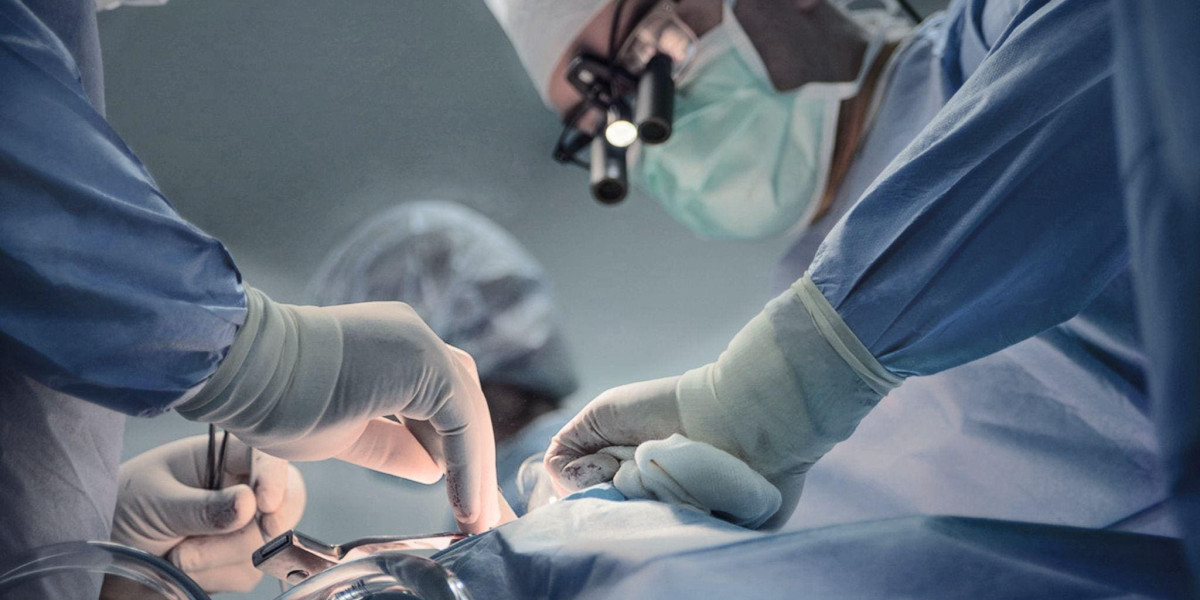
If a tumor is suspected, the affected testicle is usually surgically removed through a procedure called radical orchiectomy. The tissue is then examined under a microscope to confirm the diagnosis and determine the type of cancer.
Treatment Options for Testicular Cancer
Treatment for testicular cancer depends on the type of tumor, stage of the disease, and the patient’s overall health. Modern treatments are highly effective and often lead to excellent outcomes.
Surgery
Surgery is typically the first step in treating testicular cancer. Radical orchiectomy removes the affected testicle and helps prevent the spread of cancer.
Radiation Therapy
Radiation therapy may be recommended for certain types of seminoma tumors. High-energy beams target and destroy cancer cells.
Chemotherapy
Chemotherapy uses powerful medications to destroy cancer cells throughout the body. It is often used for more advanced stages of testicular cancer or when cancer has spread.
Surveillance and Follow-Up
After treatment, patients may undergo active surveillance. This includes regular blood tests, imaging studies, and medical checkups to monitor for any signs of recurrence.
Importance of Early Detection
Testicular cancer is highly curable when detected early. For this reason, men are encouraged to become familiar with their bodies and perform regular testicular self-examinations. Detecting unusual lumps or swelling early allows for faster diagnosis and treatment.
Routine medical checkups and awareness of symptoms play an important role in improving outcomes.
Living After Testicular Cancer Treatment
Many men successfully return to normal lives after treatment for testicular cancer. Advances in medical care allow patients to maintain fertility, hormone balance, and quality of life in many cases.
Support from healthcare professionals, family, and counseling services can help patients cope with the emotional aspects of cancer diagnosis and recovery.
Maintaining a healthy lifestyle, including proper nutrition, regular exercise, and follow-up medical care, helps support long-term health and well-being.
Conclusion
Testicular cancer is a serious but highly treatable condition. Awareness of symptoms, regular medical evaluations, and early diagnosis significantly improve treatment success and survival rates. Modern medical advancements allow many men to recover fully and continue living healthy, productive lives.
For individuals seeking expert diagnosis and advanced treatment for testicular cancer, the experienced specialists at Urology Partners of North Texas (UPNT) provide comprehensive care, personalized treatment plans, and ongoing support to help patients achieve the best possible outcomes.
Frequently Asked Questions (FAQs)
1. What is testicular cancer?
Testicular cancer is a disease in which abnormal cells grow in the testicles and form tumors that may spread if untreated.
2. What are the early signs of testicular cancer?
The most common early sign is a painless lump or swelling in one testicle.
3. Who is most at risk for testicular cancer?
Young men between the ages of 15 and 40 are most commonly affected, especially those with a family history or undescended testicles.
4. How is testicular cancer treated?
Treatment options may include surgery, radiation therapy, chemotherapy, and regular follow-up monitoring.
5. Is testicular cancer curable?
Yes, testicular cancer is highly curable, particularly when detected and treated in its early stages.