
Orthodontic treatment goes far beyond just straightening teeth. In some cases, achieving a healthy, balanced smile may require adjustments that seem more invasive at first glance. One essential aspect of such interventions is tooth removal. Removing a tooth can create the necessary space to align crowded teeth properly or correct bite issues. While it may sound alarming, this process is often carefully planned as part of a comprehensive orthodontic strategy to ensure long-term dental health and aesthetics. Many patients may not realize that a carefully timed extraction can be a critical step toward a perfect, functional smile.
Tooth Removal in Dubai often integrates advanced imaging and precise planning to ensure the procedure aligns perfectly with orthodontic goals. It is not performed arbitrarily; instead, orthodontists assess each case individually, evaluating factors such as jaw size, tooth positioning, and bite alignment. This approach allows the dental team to predict the outcome accurately, reducing complications and ensuring that the remaining teeth shift smoothly into their ideal positions.
Why Tooth Removal May Be Necessary in Orthodontics
Crowded teeth are a common reason for extraction during orthodontic treatment. When there isn’t enough space in the jaw to accommodate all teeth comfortably, they may overlap, rotate, or push against neighboring teeth. This crowding not only affects aesthetics but can also make oral hygiene difficult, increasing the risk of cavities and gum disease. Removing one or more teeth strategically can create the room needed for the remaining teeth to align properly without causing long-term bite problems.
Another reason for tooth removal is correcting bite discrepancies. Overbites, underbites, and crossbites sometimes require space adjustments that only extraction can achieve. By selectively removing teeth, orthodontists can guide the jaw into a more balanced position, improving function and reducing strain on the jaw muscles and temporomandibular joint.
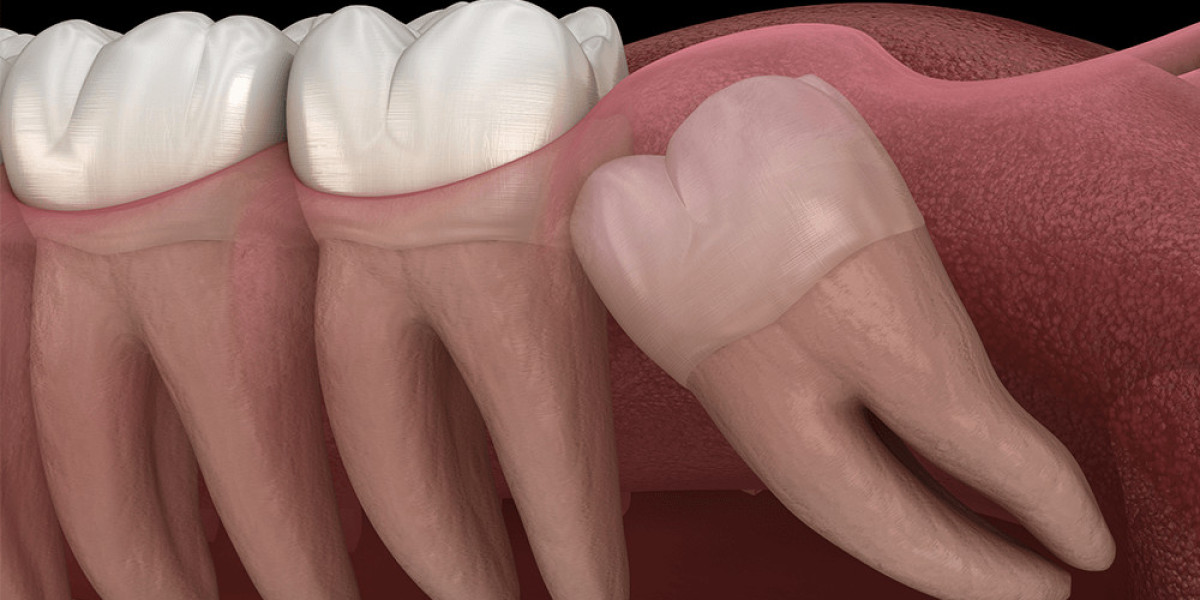
In certain cases, teeth that are damaged, impacted, or compromised may also be removed as part of the orthodontic plan. Impacted teeth—those that are trapped beneath the gum line—can prevent proper alignment and even damage surrounding teeth if left untreated. Strategic removal of these teeth ensures that the orthodontic treatment progresses smoothly and achieves the desired results.
The Planning Process Before Tooth Removal
Thorough planning is key to successful orthodontic extractions. Before any tooth is removed, a detailed examination of the patient’s teeth and jaw is conducted. X-rays, photographs, and dental impressions help create a comprehensive treatment plan. These tools allow the orthodontic team to visualize how teeth will move over time and determine which teeth, if any, need removal.
Digital scans and 3D imaging technology play a significant role in modern orthodontics, making it easier to anticipate the outcome of extractions. By simulating tooth movement, orthodontists can predict potential complications and make adjustments before the procedure begins. This reduces the risk of misalignment, ensures even spacing, and minimizes discomfort during treatment.
Benefits of Combining Tooth Removal with Orthodontics
When tooth removal is integrated with orthodontic treatment, the benefits extend far beyond cosmetic improvement. One of the main advantages is the prevention of overcrowding. Crowded teeth are more prone to plaque buildup and decay, and creating proper spacing makes it easier to maintain oral hygiene.
Another benefit is improved bite function. Correctly aligned teeth distribute chewing forces evenly, reducing wear and tear and preventing jaw strain. Tooth removal may also help in creating symmetry in the smile, enhancing both appearance and confidence.
Long-term stability is another important benefit. Orthodontic treatment without addressing severe crowding or bite issues can sometimes lead to teeth shifting back to their original positions. By strategically removing teeth, orthodontists ensure that the newly aligned teeth have enough space to remain stable for years to come.
What to Expect During the Extraction Process
Although the idea of tooth removal may cause anxiety, the procedure is typically quick and straightforward. Patients are usually given local anesthesia to ensure comfort. In cases where multiple teeth are removed or where the extraction is more complex, sedation options may be available.
Post-extraction care is an essential part of the orthodontic journey. Patients are advised to follow specific guidelines to promote healing and minimize discomfort. These guidelines may include avoiding certain foods, maintaining oral hygiene with gentle techniques, and attending follow-up appointments to monitor progress.
The timing of the extraction is carefully coordinated with the orthodontic treatment schedule. Proper timing ensures that the teeth can begin shifting into their new positions immediately, optimizing the overall treatment outcome.
Alternatives and Considerations
While tooth removal is often the best solution for severe crowding or bite issues, orthodontists also consider alternatives. Interproximal reduction, or minor enamel shaving, can create small amounts of space without full extraction. Expanders can widen the jaw in growing patients, reducing the need for removing permanent teeth.
However, these alternatives may not be suitable for every case. Complex bite problems or severe crowding often require extractions for a predictable and stable result. The decision is made after careful assessment and discussion of the patient’s goals, dental health, and long-term treatment plan.
Post-Extraction Orthodontic Care
Once a tooth has been removed, orthodontic appliances such as braces or clear aligners guide the remaining teeth into their proper positions. Regular adjustments and monitoring are essential to ensure that the teeth move safely and as planned.
Healing and maintaining oral hygiene are particularly important immediately following extraction. Patients should follow all post-procedure recommendations and attend follow-up visits to prevent infection and promote optimal tooth alignment. With proper care, patients can expect a smooth transition from extraction to full orthodontic alignment, resulting in a healthier, more attractive smile.
Book Us
For those considering tooth removal as part of orthodontic treatment, professional guidance is essential. At Enfield Royal Clinic Dubai, our team carefully evaluates each case to ensure that every extraction aligns with long-term orthodontic goals. By combining precise planning, modern technology, and expert care, we help patients achieve straighter, healthier teeth with minimal discomfort. Book your appointment with us today to take the first step toward a perfectly aligned smile with Tooth Removal in Dubai