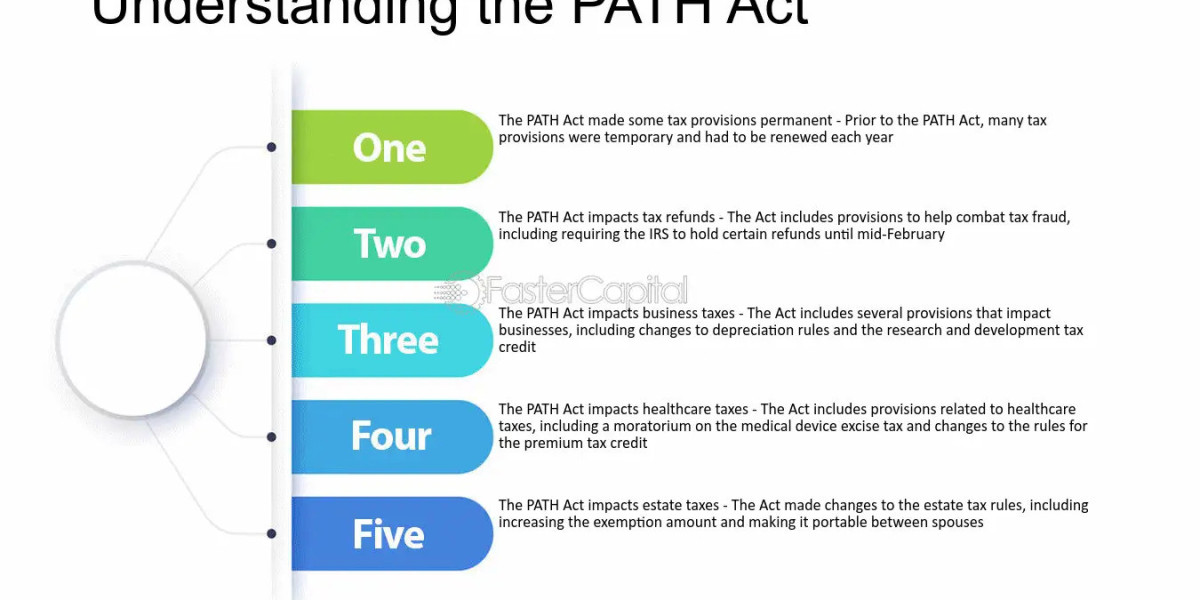

One of the main reasons for this delay is the PATH Act, a law that requires the IRS to hold certain refunds until additional checks are completed. In 2026, the PATH Act continues to affect refund timing, especially for taxpayers claiming specific tax credits. Understanding how long the PATH Act 2026 delays tax refunds can help you plan your finances and avoid confusion during the tax season.
What Is the PATH Act?
The Protecting Americans from Tax Hikes (PATH) Act is a law passed to reduce tax fraud and ensure that refunds are issued correctly. Before this law, fraudulent refunds were a major problem because some people filed false tax returns to claim credits they were not eligible for.
To prevent this, the IRS must now verify certain tax returns more carefully before sending refunds. Because of these verification steps, some refunds cannot be issued immediately, even if the return is filed early.
The PATH Act mainly affects taxpayers who claim:
Earned Income Tax Credit (EITC)
Additional Child Tax Credit (ACTC)
If you claim these credits, your refund will likely be delayed every year, including in 2026.
How Long Does the PATH Act Delay Refunds in 2026?
In most cases, the PATH Act delays refunds until mid-February at the earliest, even if you file your tax return in January.
For the 2026 tax season, the expected timeline is similar to previous years:
Late January – IRS begins accepting tax returns
Mid-February – IRS allowed to release PATH Act refunds
Late February – Most refunds start arriving
Early March – Majority of delayed refunds are issued
Even though the IRS may approve your return earlier, the law prevents them from sending the refund before the required review period is finished.
This means the delay can be 2 to 4 weeks longer compared to normal refunds.
Why the IRS Holds Refunds Under the PATH Act
The IRS holds refunds under the PATH Act to confirm that the information on the tax return is correct. This includes checking income records, tax credits, and withholding details.
The delay helps the IRS:
Verify W-2 and income information
Confirm eligibility for tax credits
Prevent identity theft and fraud
Reduce incorrect refund payments
Although waiting can be frustrating, the goal is to protect taxpayers and ensure refunds go to the right person.
Who Will Experience Refund Delays in 2026?
Not every taxpayer will be affected by the PATH Act. The delay mainly applies to people claiming refundable credits.
You may experience a delay if you:
Claim Earned Income Tax Credit
Claim Additional Child Tax Credit
Have multiple income sources
Have changes in income compared to last year
Have missing or incorrect information
If you do not claim these credits, your refund may arrive within the normal IRS processing time, usually around 21 days after filing.
Does Filing Early Help Avoid the Delay?
Many taxpayers believe filing early will help them receive their refund faster. While filing early is still recommended, it does not remove the PATH Act delay.
Even if you file on the first day the IRS accepts returns, the IRS cannot send refunds for EITC or ACTC until mid-February.
However, filing early can still help because:
Your return enters the processing queue sooner
Errors can be fixed earlier
Your refund may arrive soon after the hold period ends
So, filing early is still a smart choice, even with the PATH Act.
How to Check Your Refund Status in 2026
Instead of guessing when your refund will arrive, you should check your refund status using the IRS tracking tool.
To check your status, you need:
Social Security Number
Filing status
Exact refund amount
During the PATH Act hold period, the status may show:
Return received
Still processing
Approved but not sent
This is normal and does not mean there is a problem.
Tips to Get Your Refund as Soon as Possible
Even though you cannot avoid the PATH Act delay, you can make sure your refund is not delayed longer than necessary.
File electronically
E-filing reduces mistakes and speeds up processing.
Use direct deposit
Direct deposit is the fastest way to receive your refund.
Check your information carefully
Incorrect Social Security numbers, bank details, or missing forms can cause extra delays.
Include all income documents
Make sure all W-2, 1099, and other income forms are included.
Avoid last-minute filing
Filing late can push your refund even further into March or April.
Why the PATH Act Is Important
Even though the delay can be inconvenient, the PATH Act has helped reduce fraud and identity theft. Before the law was introduced, many fake refunds were issued using stolen information.
Now, the IRS has more time to verify returns, which helps protect honest taxpayers.
The extra waiting time ensures that:
Refunds are accurate
Credits are valid
Payments go to the correct person
Because of these benefits, the PATH Act is expected to remain in effect in future tax seasons.
What to Expect in Future Years
The PATH Act has been part of tax filing rules for several years, and the same delay is expected in future tax seasons after 2026.
Taxpayers who claim EITC or ACTC should plan for refunds to arrive in late February or early March every year.
Understanding this schedule can help you:
Plan expenses
Avoid financial stress
Manage cash flow better
Conclusion
In 2026, the PATH Act will continue to delay certain tax refunds, usually until mid-February or later. Most taxpayers affected by the law will receive their refunds between late February and early March. The delay mainly applies to those claiming the Earned Income Tax Credit or Additional Child Tax Credit.
Although waiting longer for your refund can be frustrating, the PATH Act helps prevent fraud and ensures accurate payments. By filing early, checking your return carefully, and choosing direct deposit, you can make sure your refund arrives as soon as possible once the hold period ends.