
The field of proteomics has caused a seismic shift over the last decade, transitioning from a purely discovery-based science to a cornerstone of clinical diagnostics. At the heart of this transformation is the rise of Data-Independent Acquisition (DIA) mass spectrometry. Historically, researchers relied on Data-Dependent Acquisition (DDA), a method where the mass spectrometer "chooses" the most intense peptide ions for fragmentation. While effective for identifying a broad range of proteins, DDA is inherently stochastic, often missing low-abundance biomarkers and leading to significant data gaps across different patient cohorts. DIA, by contrast, fragments all ions within a specific mass-to-charge (m/z) range simultaneously. This "omnipresent" approach ensures a highly reproducible digital record of the proteome, allowing scientists to retrospectively query the data for new biomarkers without needing to re-run the physical sample.
Operational Excellence in the Proteomics Laboratory
Implementing a DIA-based workflow is not merely a matter of purchasing the latest Orbitrap or Time-of-Flight (TOF) mass spectrometer; it requires a profound commitment to operational excellence and technical precision. The complexity of DIA data requires meticulous sample preparation, as any contamination or variation in protein extraction can lead to massive downstream errors in the digital assembly of the proteome. This high-stakes environment has placed a renewed emphasis on the "human element" of the laboratory. The precision of a pipette, the calibration of a liquid chromatography system, and the strict adherence to quality control protocols are the foundation upon which high-level clinical data is built. Without these baseline technical skills, even the most advanced DIA algorithms cannot produce reliable results.
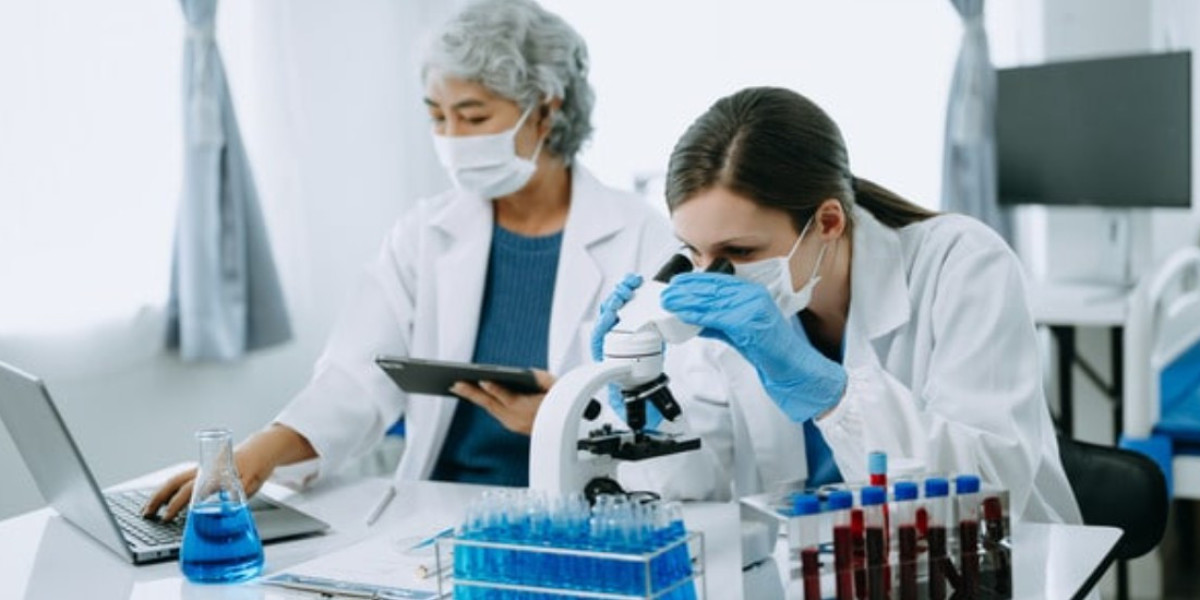
Because the technical demands of modern diagnostics are so high, the industry is increasingly looking for professionals who have a solid grounding in both the theory and the "hands-on" reality of lab work. Individuals who wish to contribute to these cutting-edge clinical environments often begin their career by qualifying as a lab technician. This role is the backbone of the proteomics facility, ensuring that every sample is handled with the care required for high-resolution analysis. A professional lab technician is responsible for the day-to-day maintenance of sensitive equipment and the execution of complex protocols that make DIA possible.
Overcoming the Computational Challenges of DIA
One of the primary hurdles that prevented DIA from becoming the gold standard rather than was the sheer complexity of the data it generates. Because all ions are fragmented at once, the resulting spectra are "highly multiplexed"—meaning they are a jumbled mess of information from multiple different proteins. It was only with the development of sophisticated "spectral libraries" and AI-driven deconvolution software that we could begin to make sense of these files. Today, we use machine learning algorithms to match these complex fragments back to their parent proteins with near-perfect accuracy. This marriage of advanced hardware and intelligent software is what has allowed DIA to scale from small research projects to massive clinical applications involving thousands of patient biopsies.
Furthermore, the integration of DIA into clinical workflows has necessitated a shift in how we think about data storage and ethics. Since a DIA file contains information on every protein in a sample, it is theoretically possible to look for indicators of diseases that the patient did not explicitly consent to be tested for. This raises complex questions about data privacy and the "right not to know." Managing these ethical and technical challenges requires a laboratory staff that is highly trained in data governance and professional ethics.
The Future: Toward Real-Time Clinical Proteomics
As we look to the future, the goal is to reduce the "time-to-result" for DIA analysis. Currently, processing DIA data can take hours or even days of computational time. However, new developments in real-time search engines and cloud-based processing are bringing us closer to a world where a proteomic profile can be generated within the timeframe of a single doctor's appointment. This would allow for real-time dosage adjustments for chemotherapy or immediate identification of sepsis markers in an emergency room setting.