
Are you tired of cold floors and uneven heating in your home? If you're seeking a cozy solution that envelops you in warmth without the drafty discomfort, look no further! Radiant heat is quickly becoming the go-to choice for homeowners looking to revolutionize their heating experience. Imagine stepping onto a warm tile floor on a chilly morning or enjoying consistent temperatures throughout every room—sounds dreamy, right? In this blog post, they’ll unpack the myriad benefits of radiant-heat: from energy efficiency to enhanced comfort and everything in between.
Radiant-Heat: What is it and How Does it Work?
Radiant-heat is a modern and efficient heating solution that has gained popularity in recent years. Unlike traditional forced-air systems, radiant-heat works by heating objects and surfaces directly, rather than the air in a room. This results in a more comfortable and consistent heat distribution throughout the space.
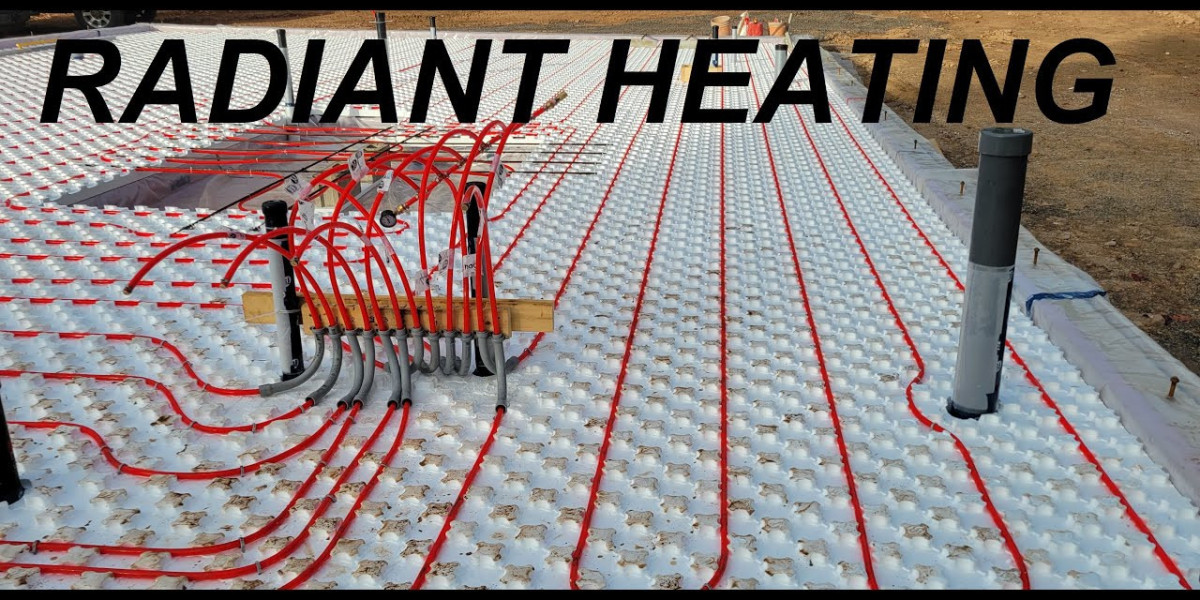
So how does it work? Radiant-heat systems use electric panels, hot water tubing, or infrared tubes installed underneath floors, behind walls, or on ceilings to radiate heat into a room. These panels or tubes are heated to a specific temperature and then emit radiant energy in the form of infrared waves. Similar to how the sun warms our skin when we stand outside on a sunny day, these waves travel through the air and are absorbed by objects and surfaces in the room.
The key difference between radiant-heat and traditional heating methods is that instead of warming up the air first, it heats up objects directly. This means that there is no need for fans or ductwork to distribute warm air throughout the space. As a result, there is less energy loss and more efficient use of electricity or fuel.
One of the main advantages of radiant-heat is its ability to provide even warmth throughout a room. With traditional heating systems, there may be noticeable temperature differences between areas near vents or radiators compared to those further away. However, with radiant-heat, every surface in the room becomes an emitter of heat which ensures consistent warmth from floor to ceiling.
The Benefits of Radiant-Heat: Comfort, Efficiency, and Health
Comfort is one of the biggest advantages of using radiant-heat. Unlike traditional forced-air systems, which blow hot air into a room, radiant-heat works by directly heating objects in the room such as furniture, walls, and most importantly, people. This creates a consistent temperature throughout the room without any cold spots or drafts. With forced-air systems, warm air tends to rise to the ceiling while cooler air stays near the ground level. This results in uneven temperatures within a room and can make you feel uncomfortable even when the thermostat is set at an ideal temperature.
On the other hand, with radiant-heat there are no noticeable differences in temperature from floor to ceiling. It provides even heat distribution that surrounds you like a warm blanket. This not only makes your living space more comfortable but also helps alleviate allergies and respiratory problems caused by dry air from forced-air systems.
Aside from comfort and efficiency benefits, radiant-heat also offers several health advantages over other types of heating. By eliminating the need for forced-air which can stir up dust and allergens, radiant-heat creates a cleaner environment in your home. It also reduces the risk of mold growth by keeping surfaces dry and preventing moisture buildup.
The Vital Role and Purpose of Radiant-Heat
Radiant-heat is a heating solution that has been gaining popularity in recent years, and for good reason. This type of heating system works by transferring heat through the floor, walls, or ceiling of a room rather than blowing warm air through vents like traditional forced-air systems. The result is a more comfortable and efficient way to heat your home.
The vital role and purpose of radiant-heat lies in its ability to provide even and consistent warmth throughout a space. Unlike forced-air systems which can create hot and cold spots, radiant-heat evenly distributes warmth from the ground up. This creates a more comfortable living environment with no drafts or temperature fluctuations.
One of the main purposes of radiant-heat is to improve energy efficiency in homes. Because it works by heating objects rather than air, it requires less energy to maintain a comfortable temperature. This means lower energy bills for homeowners and reduced strain on the environment.
Furthermore, radiant-heat promotes better indoor air quality compared to forced-air systems. Forced-air systems can circulate dust, allergens, and other pollutants through ductwork, while radiant-heat does not use ducts at all. This makes it an ideal option for those with allergies or respiratory issues.
Maintenance and Long-Term Savings with Radiant Heat
When considering a heating solution for your home, it is important to not only think about the initial cost but also the long-term maintenance and savings. It is where radiant heat truly stands out as a superior option. One of the main benefits of radiant-heat is its low maintenance requirements. Unlike traditional forced-air heating systems, which require regular filter changes and duct cleaning, radiant-heat does not have any moving parts or air flow. This means less wear and tear on the system and fewer maintenance tasks for homeowners.
In fact, once a radiant-heat system is installed properly, it can last for decades with minimal upkeep. The lack of moving parts also means there are fewer opportunities for something to break down, resulting in lower repair costs over time. Additionally, radiant-heat offers long-term savings for homeowners. As mentioned before, it has lower maintenance costs due to its simple design. But another major advantage is its energy efficiency.
Radiant-heat works by transferring heat directly to objects in the room through infrared radiation. This eliminates the need to heat and circulate air throughout the entire house like forced-air systems do. As a result, homes with radiant-heat can experience significant energy savings – up to 30% compared to other heating methods.
Cost Comparison: Radiant-Heat VS Traditional Heating Systems
When considering heating options, cost plays a crucial role. Radiant-heat systems often have a higher upfront installation cost compared to traditional heating methods like forced air or baseboard heaters. However, this initial investment can pay off over time.
Radiant-heat operates more efficiently by warming surfaces and objects directly rather than just circulating hot air. This efficiency translates into lower energy bills. Homeowners frequently report savings of up to 30% on heating costs with radiant systems.
Additionally, maintenance expenses tend to be lower with radiant-heat. Traditional systems require regular duct cleaning and filter changes, while many radiant setups need little more than occasional checks. In the long run, it’s essential to weigh these factors against the initial price tag. The combination of comfort and savings makes radiant-heat an attractive option for those looking for lasting value in their heating solutions.
Types of Radiant-Heat: In-Floor, Wall-Mounted, and Ceiling-Mounted
In-Floor Radiant-Heat
In-floor radiant-heating, also known as underfloor heating, is a popular choice for many homeowners. This type of system involves installing tubing or electric coils beneath the floor surface to distribute heat evenly throughout the room. As the heat rises from below, it warms up objects and people in its path rather than just heating the air like traditional forced-air systems. This results in more consistent and comfortable warmth throughout the space.
One of the biggest advantages of in-floor radiant-heat is that it can be installed in almost any type of flooring – from tile and hardwood to carpeting. Additionally, since there are no vents or radiators taking up space on your walls, you have complete design freedom when it comes to furniture placement.
Wall-Mounted Radiant-Heat
Wall-mounted heaters consist of panels or units that are mounted onto walls or ceilings. They work by emitting infrared radiation that heats up surfaces and objects within their range. Unlike other types of radiant-heat systems, wall-mounted heaters provide direct heat rather than indirect heat through floors.
This type of system is ideal for rooms with high ceilings or areas where installing an in-floor system may not be feasible – such as basements or garages. They are also a great option for targeted heating in specific areas where you spend most of your time.
Ceiling-Mounted Radiant-Heat
Similar to wall-mounted heaters, ceiling-mounted radiant systems use infrared radiation to directly warm surfaces and objects within their range. However, instead of being mounted on walls, these units are installed on ceilings making them perfect for rooms with limited wall space.
Ceiling-mounted heaters are often used in commercial spaces such as warehouses or large open-concept offices. They can also be a cost-effective option for heating large rooms or open-concept homes as they distribute heat evenly and efficiently.
Each type of radiant-heat system comes with its own set of advantages and it is important to consider your specific needs and space when choosing the right one for your home.
Environmental Impact of Radiant-Heat
Radiant-heat systems have a notable edge when it comes to environmental sustainability. They operate efficiently, requiring less energy compared to traditional heating methods. This efficiency translates into lower greenhouse gas emissions. With radiant-heating, the warmth spreads evenly throughout a space. This means rooms can be heated at lower temperatures without sacrificing comfort. As a result, you consume less fuel or electricity.
Many radiant-heat systems are compatible with renewable energy sources like solar panels. By integrating these technologies, you can further reduce your carbon footprint and reliance on fossil fuels. Additionally, because these systems don’t rely on ductwork, they minimize air leakage and dust circulation in your home. Cleaner indoor air quality contributes positively to both personal health and overall environmental wellness. Choosing radiant-heat supports eco-friendly living while still providing exceptional comfort for your home or business environment.
Conclusion
Choosing the right heating solution for your home or business is crucial. Radiant heat stands out as a top contender, offering unique advantages that can enhance comfort and efficiency while promoting health. The consistent warmth radiating from floors, walls, or ceilings creates an inviting atmosphere. Unlike traditional systems that blow air around, radiant-heat warms objects directly. This results in fewer temperature fluctuations and eliminates cold spots often found with forced-air heating.
FAQs
How Does Radiant Heat Work?
Radiant-heat uses infrared radiation to directly heat objects and surfaces in a room, rather than heating the air like traditional heating systems do. This makes it a more efficient and comfortable way of heating as it eliminates cold spots and drafts.
Is Radiant-Heat Expensive To Install?
The cost of installing radiant-heat can vary depending on factors such as the size of the area, type of flooring, and insulation levels. While it may have a higher upfront cost compared to other heating systems, its long-term energy efficiency and lower maintenance costs make it a worthwhile investment.
Can Radiant-Heat Be Used With Any Type Of Flooring?
Yes, radiant-heat can be installed under most types of flooring including tile, hardwood, laminate, and even carpet. However, thicker flooring materials may decrease the efficiency of the system as they act as an insulator.
Related Business Listings |