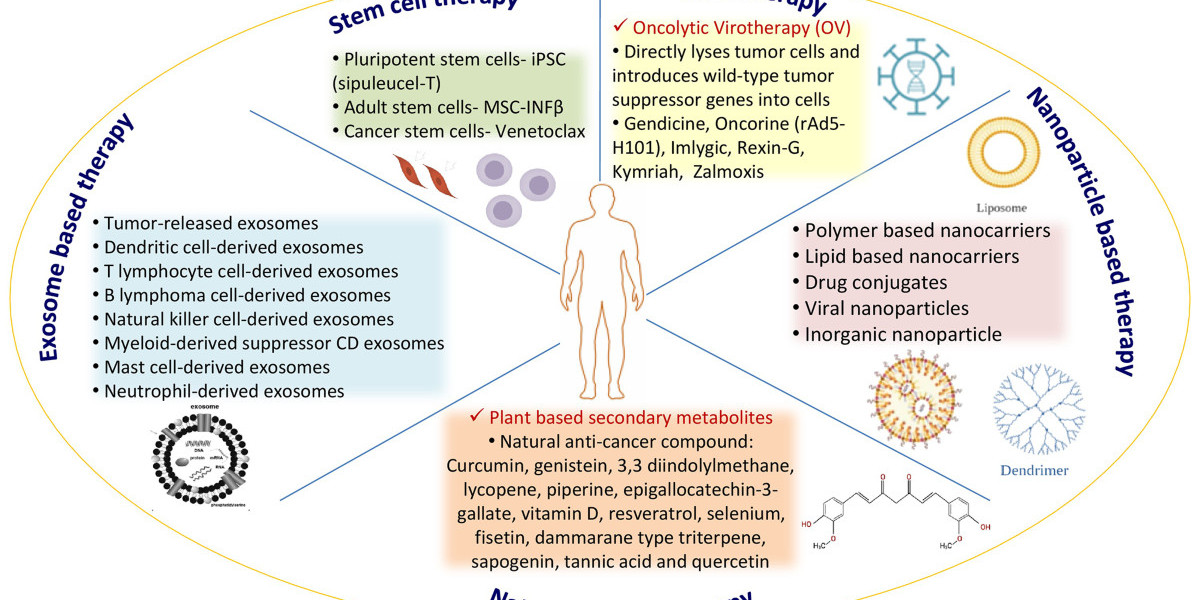

Understanding Triple Negative Breast Cancer
Triple negative breast cancer is an aggressive cancer type. It does not respond to hormone therapy options. It also lacks HER2 protein expression in tumors. This makes treatment more challenging for many patients. Doctors must explore other advanced treatment strategies carefully. New research continues improving survival and recovery outcomes.
Why Traditional Treatments May Not Be Enough
Standard chemotherapy has helped many breast cancer patients. However, triple negative cases often relapse quickly. These tumors grow faster than other breast cancers. Side effects from chemotherapy can also feel overwhelming. Doctors searched for better and smarter treatment options. Immunotherapy for TNBC has emerged as a promising solution.
What Is Immunotherapy in Cancer Care
Immunotherapy helps the body fight cancer naturally. It boosts the immune system’s ability to detect tumors. Cancer cells often hide from immune defenses. Special drugs remove this protective shield from tumors. Immunotherapy for TNBC activates immune cells against cancer growth. This approach targets disease without harming healthy tissues severely.
How the Immune System Fights Cancer
The immune system protects the body from harmful invaders. White blood cells recognize abnormal or infected cells quickly. Cancer cells develop ways to escape immune detection. Immunotherapy strengthens natural defense responses significantly. By blocking immune checkpoints, treatment exposes hidden tumor cells. Stronger immune attacks can shrink aggressive tumors effectively.
Why TNBC Responds to Immune-Based Treatment
Triple negative tumors often show high mutation levels. These mutations create visible markers for immune cells. This makes TNBC a good candidate for immune therapy. Immunotherapy for TNBC works by enhancing recognition signals. Activated immune cells can then destroy cancer cells faster. This improves response rates in selected patients.
Types of Immunotherapy Used in TNBC
Checkpoint inhibitors are common immune-based medications today. They block proteins that stop immune system activity. Some treatments combine immunotherapy with chemotherapy for stronger results. Doctors carefully select therapies based on tumor testing. Immunotherapy for TNBC continues evolving through research studies. Clinical trials test new combinations and advanced strategies.
Benefits Compared to Chemotherapy Alone
Chemotherapy attacks fast-growing cells throughout the body. This often leads to nausea, hair loss, and fatigue. Immunotherapy for TNBC may cause fewer traditional side effects. Some patients maintain better energy during treatment cycles. Immune-based therapy focuses on specific tumor interactions. This targeted action improves comfort and tolerance levels.
The Importance of Biomarker Testing
Not every patient responds to immune therapy equally. Doctors test tumors for specific immune markers first. PD-L1 expression helps predict treatment response rates. Immunotherapy for TNBC works best with positive biomarkers. Accurate testing ensures correct therapy selection early. Personalized treatment improves survival and long-term control outcomes.
Combining Immunotherapy with Other Treatments
Many treatment plans use combined therapeutic approaches. Surgery and radiation remain important for tumor control. Immunotherapy for TNBC may work alongside chemotherapy drugs. Combined treatment can improve response in advanced cases. Doctors evaluate risks and benefits carefully before decisions. Coordinated care increases chances of successful remission.
Managing Possible Side Effects Safely
Although safer for many, side effects can still occur. Immune therapy may trigger inflammation in organs. Patients might experience skin rashes or fatigue. Doctors monitor blood tests during every treatment cycle. Early detection helps manage immune reactions quickly. Close supervision keeps therapy both safe and effective.
Clinical Trials and Ongoing Research
Research continues advancing immune-based cancer therapies worldwide. Clinical trials explore new drug combinations regularly. Immunotherapy for TNBC remains a key focus area. Scientists study ways to improve response durability. New discoveries may expand treatment access broadly. Research progress strengthens hope for better survival rates.
Impact on Survival and Long-Term Outcomes
Survival rates improve with early and precise treatment. Immunotherapy has shown promising results in studies. Some patients experience longer remission periods. Immunotherapy for TNBC offers hope in advanced stages. Improved immune responses reduce tumor recurrence risk. Continued innovation supports stronger long-term outcomes.
Personalized Treatment Planning Matters
Every TNBC case presents unique genetic features. Doctors evaluate tumor biology before choosing therapy. Immunotherapy for TNBC fits personalized medicine approaches perfectly. Tailored treatment improves safety and effectiveness greatly. Regular monitoring adjusts plans based on patient response. Individual care supports stronger and more stable recovery.
Emotional Support During Treatment Journey
Cancer treatment affects both body and emotions deeply. Fear and anxiety are common during diagnosis stages. Immunotherapy for TNBC brings renewed hope for patients. Support groups and counseling improve emotional wellbeing significantly. Family involvement strengthens resilience throughout therapy cycles. Emotional balance enhances physical healing processes naturally.
Access to Specialized Cancer Centers
Advanced therapies require skilled oncology specialists. Specialized centers provide biomarker testing and immune treatments. Immunotherapy for TNBC demands precise medical supervision. Experienced teams understand immune-related side effects well. Access to advanced facilities improves treatment outcomes considerably. Choosing expert care strengthens patient confidence and safety.
The Future of Immunotherapy in TNBC
Medical innovation continues shaping cancer treatment landscapes. Researchers aim to improve response rates further. Immunotherapy for TNBC may expand to early-stage disease. Combination therapies show promising results in trials. Improved diagnostics will guide better treatment selection. Future developments promise safer and more effective care.
Lifestyle Support During Immune Therapy
Healthy habits support treatment effectiveness significantly. Balanced nutrition strengthens immune system performance daily. Gentle exercise improves circulation and energy levels. Immunotherapy for TNBC works best with overall health focus. Stress management techniques help reduce inflammation responses. Whole-body wellness enhances long-term recovery success.
Addressing Treatment Resistance Challenges
Some tumors resist immune therapy initially. Scientists study mechanisms behind resistance carefully. Immunotherapy for TNBC evolves to overcome such barriers. New drug combinations may restore immune sensitivity. Continuous monitoring helps detect changes early. Research remains focused on durable and lasting responses.
Patient Education and Informed Decisions
Understanding therapy options reduces fear and uncertainty. Doctors explain risks and benefits clearly. Immunotherapy for TNBC requires active patient participation. Informed decisions improve confidence and treatment adherence. Educational resources support better awareness and preparedness. Knowledge empowers patients throughout their healing journey.
Conclusion: A Promising Step Forward
Triple negative breast cancer once limited treatment choices greatly. Immune-based therapy now offers renewed optimism. Immunotherapy for TNBC represents progress in personalized medicine. Focused immune activation improves outcomes and comfort. Continued research will refine and expand its use. With expert guidance, Immunotherapy for TNBC remains a powerful option for modern cancer care advancement.