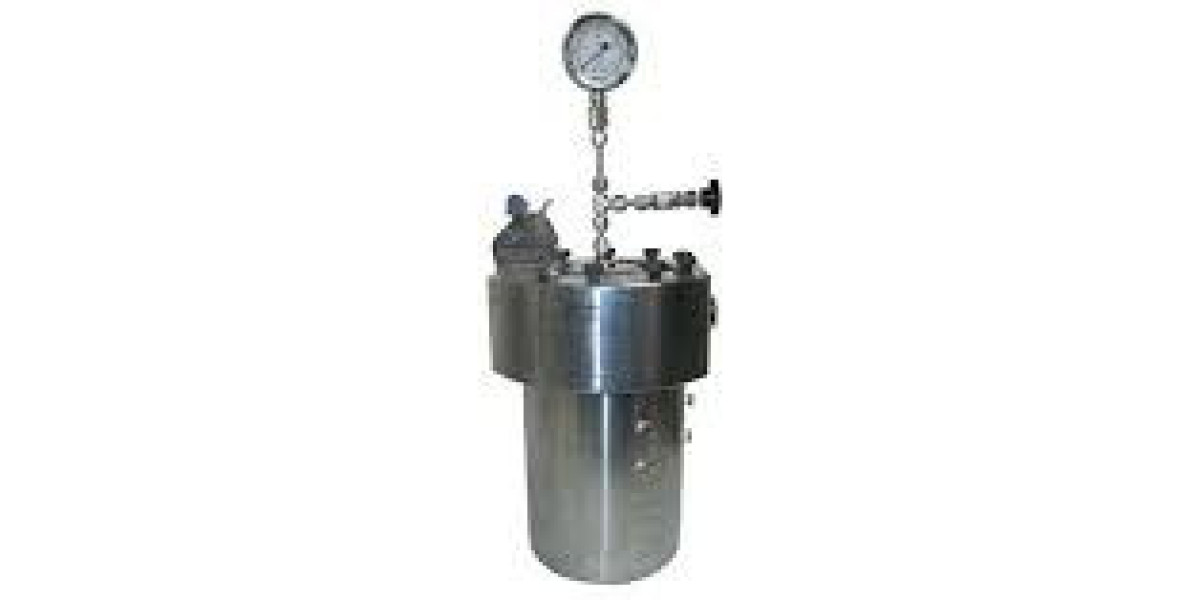

A high pressure autoclave reactor is a robust pressure vessel engineered to perform chemical reactions under elevated pressure and temperature conditions. These reactors are widely used in industries where standard atmospheric systems are not sufficient to achieve desired reaction rates, product purity, or process efficiency. From hydrogenation and polymerization to advanced material synthesis, high pressure autoclaves play a central role in modern industrial operations.
Designed with precision engineering and strict safety standards, these reactors ensure consistent results even under extreme operating environments.
Understanding High Pressure Autoclave Reactors
A high pressure autoclave reactor is essentially a sealed system that allows controlled chemical reactions in a pressurized environment. By increasing pressure and temperature, reaction speed and yield can be significantly improved. These systems are commonly used for gas-liquid reactions, catalytic processes, and high-temperature synthesis.
Many reactors manufacturers in india supply customized autoclave systems tailored to specific industrial needs, including varying capacities, pressure ratings, and material grades.
Construction and Design Features
Heavy-Duty Pressure Vessel
The core component is a thick-walled cylindrical vessel designed to withstand high internal pressures. The design follows international pressure vessel codes to ensure structural integrity.
Heating and Temperature Control
Autoclave reactors are equipped with electric heaters, oil jackets, or steam systems. Precise temperature controllers help maintain consistent reaction conditions.
Agitation System
Mechanical stirrers or magnetic drive agitators provide uniform mixing of reactants, ensuring even heat distribution and improved reaction efficiency.
Instrumentation and Monitoring
Modern systems include digital pressure gauges, thermocouples, control panels, and automated safety interlocks for accurate monitoring.
Safety Mechanisms
Pressure relief valves, rupture discs, and emergency shutdown systems are integrated to prevent overpressure and maintain safe operation.
Materials Used in High Pressure Autoclaves
Material selection depends on chemical compatibility and operating conditions. Common materials include:
Stainless Steel 316 and 316L for corrosion resistance
Stainless Steel 304 for moderate conditions
Hastelloy for highly corrosive environments
Inconel alloys for high-temperature and high-pressure processes
Titanium for specialized chemical reactions
Each material is selected based on its ability to resist corrosion, pressure stress, and thermal expansion.
Applications Across Industries
Chemical Industry
Used for hydrogenation, oxidation, and polymerization reactions.
Pharmaceutical Manufacturing
Essential for synthesis, sterilization, and high-purity production.
Petrochemical Sector
Applied in catalytic cracking and fuel processing systems.
Energy and Research
Supports biofuel production, hydrogen research, and advanced material development.
Food and Biotechnology
Used for sterilization and specialized high-pressure processing.
Benefits of High Pressure Autoclave Reactors
Increased reaction speed and yield
Controlled and repeatable processing conditions
Capability to handle hazardous reactions safely
Suitable for laboratory, pilot-scale, and industrial production
Long operational life with proper maintenance
Conclusion
High pressure autoclave reactors are vital equipment in industries that demand precision, durability, and safety under extreme operating conditions. Their ability to manage high pressure and temperature environments enables efficient chemical processing and reliable production outcomes. With advanced design, strong construction materials, and integrated safety systems, these reactors continue to support innovation and large-scale industrial growth across multiple sectors.