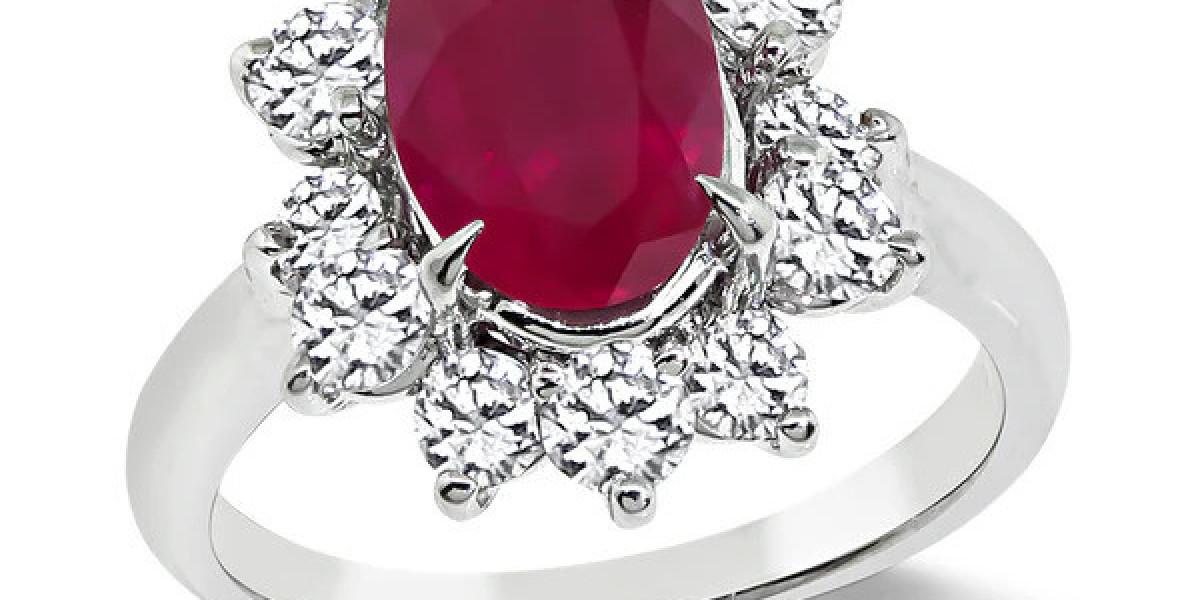

Antique Rings and Vintage Engagement Rings have a timeless charm that modern jewelry trends rarely match. While styles in fashion change every season, these historic pieces continue to captivate hearts across generations. They carry stories, craftsmanship, and emotional depth that transform them from simple accessories into treasured heirlooms. Whether chosen for romance, sustainability, or artistic beauty, antique and vintage rings hold a permanent place in the world of fine jewelry.
A Legacy of Craftsmanship That Modern Jewelry Can’t Replicate
One of the biggest reasons antique and vintage rings remain desirable is the level of craftsmanship that defines them. Jewelry created decades or even centuries ago was handcrafted with meticulous attention to detail. Skilled artisans invested hours shaping metal, cutting stones, and engraving intricate patterns by hand.
Unlike mass-produced modern rings, antique pieces often reflect the personality and expertise of the craftsman. Techniques such as milgrain detailing, hand engraving, filigree work, and old-world stone settings create depth and texture that modern manufacturing rarely achieves. These details are not just decorative — they represent a period when jewelry was considered wearable art.
Because these rings were designed to last lifetimes, they were built with durability in mind. The result is jewelry that still looks elegant and structurally sound many decades later. When someone wears an antique or vintage ring, they are wearing a piece of history that has already proven its longevity.
Timeless Designs That Transcend Trends
Modern engagement ring styles often follow cycles of popularity. A certain cut or setting may dominate for a few years before fading into obscurity. Antique and vintage rings, however, have already passed the test of time. Their continued appeal proves that their beauty is not tied to temporary fashion movements.
Each historical era contributed a unique aesthetic:
Victorian rings emphasized romance and symbolism
Edwardian jewelry showcased lace-like elegance
Art Nouveau celebrated flowing natural forms
Art Deco embraced geometric boldness
Retro styles introduced glamour and drama
Despite their differences, these eras share a commitment to artistic identity. People are drawn to antique rings because they stand apart from mainstream designs. Wearing one feels personal and distinctive, not trendy or disposable.
This sense of individuality is especially important in engagement jewelry. Couples increasingly seek rings that reflect their story rather than following a standard template. Antique and vintage pieces offer endless variety, ensuring no two rings feel identical.
Emotional Value and Storytelling
Jewelry becomes more meaningful when it carries history. Antique and vintage engagement rings often feel alive with stories — previous owners, past romances, and generations of celebration. Even when the exact history is unknown, the idea that a ring has traveled through time adds emotional depth.
For many people, wearing a vintage ring creates a sense of connection. It links the present to the past and symbolizes continuity. Engagement rings already represent commitment and legacy, and antique pieces amplify that symbolism.
Family heirloom rings are especially powerful. Passing down jewelry through generations transforms it into a living tradition. The ring becomes more than an object; it becomes a family narrative preserved in gold and gemstones.
This emotional richness is something newly manufactured jewelry cannot replicate. A brand-new ring may be beautiful, but it has not yet lived a life. Antique jewelry arrives with a built-in sense of permanence and heritage.
Sustainability and Ethical Appeal
Modern buyers are increasingly conscious of environmental and ethical concerns. Mining new gemstones and precious metals has ecological consequences, and consumers are seeking alternatives that align with sustainable values.
Antique and vintage rings are inherently eco-friendly. Choosing pre-existing jewelry eliminates the need for new mining and reduces demand for resource extraction. It is a form of recycling that preserves beauty without environmental cost.
This sustainability factor makes vintage jewelry particularly appealing to younger generations. It combines luxury with responsibility — a rare balance in the fashion world. By selecting antique pieces, buyers participate in circular consumption, extending the life of objects already created.
In addition, older rings often contain natural, untreated stones and high-quality metals. Their materials were chosen during a time when durability and authenticity mattered more than speed of production. This enhances both their ethical and material value.
Rarity and Exclusivity
One of the strongest attractions of antique rings is their scarcity. Unlike modern jewelry that can be replicated endlessly, antique pieces are finite. Each ring is a rare survivor from its era.
This exclusivity creates a powerful sense of ownership. When someone wears a vintage engagement ring, they know it cannot be easily duplicated. It is a personal artifact, not a catalog item.
Collectors and jewelry enthusiasts value this rarity deeply. Limited availability increases emotional and aesthetic worth. A ring that has endured decades becomes more precious precisely because of its survival.
Exclusivity also means originality. Vintage rings frequently feature unique gemstone cuts that are rarely produced today, such as old mine cut or rose cut diamonds. These cuts interact with light differently, creating a softer, romantic glow that many modern buyers prefer over high-precision brilliance.
Investment and Long-Term Value
Antique jewelry is not only beautiful; it can also be financially wise. Because these pieces are rare and historically significant, they often retain or increase their value over time. While modern jewelry may depreciate like other retail goods, antique rings are part of the secondary market where collectability matters.
Buyers are investing in artistry, history, and craftsmanship — elements that do not lose relevance. High-quality vintage rings with authentic gemstones and documented eras are especially desirable in the collector’s market.
This investment aspect adds another layer of appeal. Owners enjoy wearing their jewelry while knowing it represents enduring value. It becomes both a sentimental treasure and a tangible asset.
Romance Rooted in History
There is an undeniable romance in choosing a ring that already belongs to history. Antique engagement rings feel poetic. They carry echoes of past love stories while beginning a new one.
Couples often describe vintage rings as soulful. Their imperfections, patina, and handcrafted details give them personality. They do not feel factory-made; they feel alive.
This emotional resonance aligns perfectly with the symbolism of engagement. Marriage itself is a timeless institution, and antique rings visually express that continuity. They suggest that love is not a trend — it is a tradition.
Why They Will Always Stay Relevant
Fashion constantly reinvents itself, but certain aesthetics remain permanent. Antique and vintage rings belong to that permanent category because they represent artistry, individuality, sustainability, and emotional depth all at once.
They appeal to collectors, romantics, historians, and modern minimalists alike. Some admire their craftsmanship. Others value their ethical footprint. Many are drawn to their uniqueness and story. These overlapping reasons ensure their relevance never fades.
As long as people value meaning over mass production, antique jewelry will hold its place. It answers a human desire for connection — to history, to art, and to personal identity.
Conclusion
Antique and vintage engagement rings endure because they offer something modern jewelry often lacks: soul. They are not simply accessories; they are artifacts shaped by time, artistry, and human emotion. Their craftsmanship speaks of dedication, their rarity ensures individuality, and their history deepens their symbolism.
In a world of fast trends and disposable fashion, these rings stand as reminders that beauty can be permanent. They celebrate continuity rather than novelty. That is why they never go out of style — and never will.