
Seasonal Considerations for Beard Transplant Recovery in Riyadh
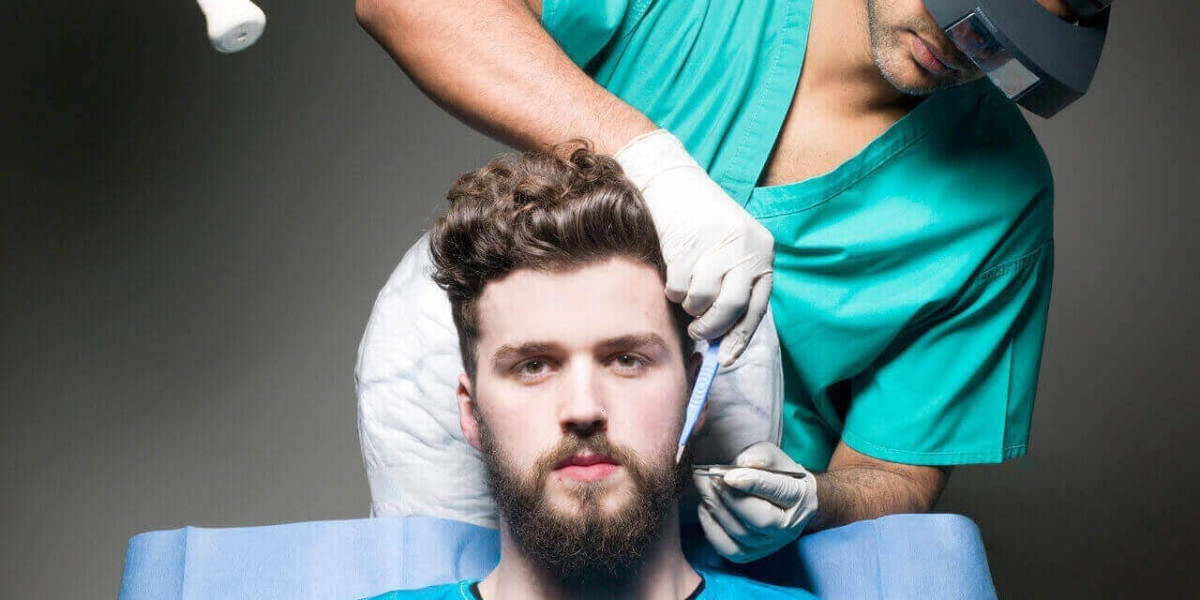
A beard hair transplant is a precise cosmetic procedure that restores facial hair by implanting healthy follicles into the beard area. While techniques like FUE (Follicular Unit Extraction) and DHI (Direct Hair Implantation) ensure high success rates, the healing environment plays an important role in recovery quality. Beard hair transplant in Riyadh is a popular cosmetic procedure for men seeking to improve facial hair density and achieve a fuller, more defined beard.
In a city like Riyadh, where the climate is hot, dry, and seasonal extremes are common, weather conditions can directly influence healing comfort, swelling, and graft survival. Understanding seasonal considerations helps patients plan better and avoid complications during recovery.
This article explains how different seasons in Riyadh affect beard transplant recovery and what precautions patients should take.
Understanding Riyadh’s Climate and Its Impact on Healing
Riyadh has a desert climate characterized by:
- Extremely hot summers
- Mild to cool winters
- Low humidity throughout most of the year
- High sun exposure
These factors affect:
- Skin hydration
- Healing speed
- Risk of irritation or infection
- Post-procedure comfort
Because transplanted follicles are delicate in the first few days, environmental conditions matter significantly during recovery.
Summer Recovery in Riyadh (Extreme Heat Conditions)
Temperature Challenges
Summer in Riyadh can exceed 40°C, creating a harsh environment for post-transplant recovery.
Key Risks:
- Excessive sweating
- Increased risk of infection
- Skin irritation due to heat
- Dehydration affecting healing
- Sunburn on sensitive transplanted area
Recommended Precautions:
- Stay indoors in air-conditioned environments
- Avoid direct sunlight completely
- Do not engage in outdoor activities for at least 10–14 days
- Wear loose, breathable clothing if going outside
- Keep hydration levels high
Important Note:
Sweating in the early healing phase can weaken graft stability and increase discomfort, so cooling and rest are essential during summer recovery.
Winter Recovery in Riyadh (Mild and Dry Conditions)
Temperature Conditions
Winter in Riyadh is generally mild, making it more favorable for recovery compared to summer.
Benefits:
- Reduced sweating
- Lower risk of infection
- More comfortable healing environment
- Easier indoor rest
Possible Challenges:
- Dry air may cause skin dryness
- Slight irritation or itching during healing
- Need for moisturization (as recommended by doctor)
Recommended Precautions:
- Maintain skin hydration as advised by clinic
- Avoid direct exposure to cold winds
- Use gentle skincare products if approved
- Keep the face clean but not over-washed
Overall:
Winter is often considered the most comfortable season for beard transplant recovery in Riyadh.
Spring Recovery in Riyadh (Transition Season)
Climate Characteristics:
- Moderate temperatures
- Occasional dust storms
- Fluctuating humidity levels
Potential Issues:
- Dust exposure increasing infection risk
- Allergies affecting skin sensitivity
- Wind irritation during early healing
Precautions:
- Avoid outdoor exposure during dust storms
- Keep face covered loosely when necessary (after healing phase begins)
- Maintain strict hygiene routines
- Use clinic-recommended cleansing methods
Spring is generally safe, but environmental dust is the main concern.
Autumn Recovery in Riyadh (Stable and Balanced Conditions)
Climate Advantages:
- Moderate temperatures
- Low extreme weather conditions
- Comfortable humidity levels
Benefits:
- Minimal sweating
- Stable healing environment
- Lower risk of environmental irritation
Precautions:
- Continue sun protection if outdoors
- Maintain hydration and skin care
- Avoid dusty environments when possible
Autumn is also considered a favorable season for beard transplant recovery.
Sun Exposure and UV Protection (Year-Round Concern)
Regardless of season, sun exposure in Riyadh is a critical factor.
Risks of Sun Exposure:
- Damage to newly implanted grafts
- Increased redness and pigmentation changes
- Slower healing process
Protective Measures:
- Avoid direct sunlight for at least 10–14 days
- Use hats only if approved by surgeon after initial healing
- Stay in shaded or indoor environments
- Follow clinic-specific sun protection advice
UV protection is one of the most important recovery rules in Riyadh’s climate.
Sweat Management During Recovery
Sweating is one of the biggest challenges, especially in warmer months.
Why it matters:
- Sweat contains bacteria that may increase infection risk
- Excess moisture can loosen early grafts
- Irritation may slow healing
Prevention:
- Stay in cool, ventilated spaces
- Avoid exercise for at least 7–10 days
- Use air conditioning when possible
- Wear loose clothing that does not touch the face
Dust and Pollution Considerations
Riyadh occasionally experiences dusty winds, especially in transitional seasons.
Risks:
- Infection risk in healing grafts
- Irritation and itching
- Disruption of scab healing process
Protection:
- Avoid outdoor exposure during dust storms
- Keep windows closed during high-dust conditions
- Follow strict cleansing routines as advised
Hydration and Skin Health in All Seasons
No matter the season, hydration plays a key role in recovery.
Why hydration matters:
- Supports skin healing
- Reduces dryness and itching
- Improves graft survival environment
Recommendations:
- Drink sufficient water daily
- Follow post-care instructions for moisturizing (if prescribed)
- Avoid alcohol and smoking, as they slow healing
Best Season for Beard Transplant in Riyadh
While beard transplants can be performed year-round, certain seasons are more comfortable:
Most favorable:
- Winter
- Autumn
Moderately suitable:
- Spring (with dust precautions)
Most challenging:
- Summer (due to heat and sweating)
Ultimately, proper aftercare is more important than season alone, but climate can influence comfort and recovery ease.
Conclusion
Seasonal conditions in Riyadh play an important role in beard transplant recovery due to the city’s hot, dry, and sometimes dusty climate. While modern techniques like FUE and DHI ensure strong graft survival, environmental factors such as heat, sweat, UV exposure, and dust can affect healing comfort and outcomes.
Winter and autumn generally provide the most favorable recovery conditions, while summer requires extra care to manage heat and sweating. Regardless of season, following strict post-operative instructions and protecting the grafts during early healing ensures optimal, natural, and long-lasting beard transplant results.













